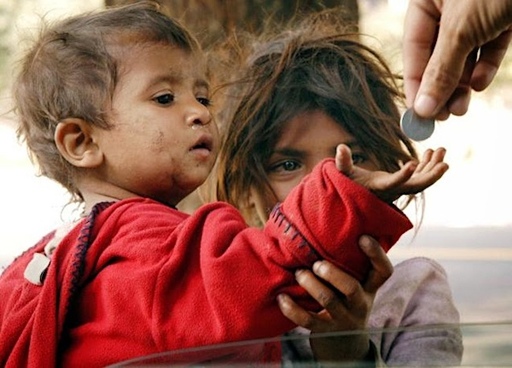

The World Bank has just come out with estimates of poverty in India which show that “extreme poverty” which afflicted 27.1 percent of the total population in 2011, now afflicts only 2.6 percent. Its estimate is based on the National Sample Survey data on consumption expenditure collected over the period 2022-23 and 2023-24.
The post The World Bank’s flawed poverty estimates appeared first on MR Online.
From MR Online via This RSS Feed.
There are two quite distinct problems with the World Bank’s conclusion: first, there has been a substantial change in the method of data collection between 2011 and 2022-23 because of which the figures for the two years are not directly comparable. For instance, the NSS investigators earlier used to make one visit to a household during the month of investigation, now they make three visits; and the greater the number of visits the greater is the reported consumption expenditure by the household. Comparing 2011 and 2022-23 figures therefore has an in-built bias towards underestimating poverty in the later year compared to the earlier one.
The second problem with the World Bank estimates is conceptual: the very definition of poverty the Bank uses is a flawed one; let us see why. If a person consumed more of an identical set of commodities in a later year that he was consuming in the base year, then clearly he has become better off and is obviously less poor. But if a person consumes more of some and less of others then one cannot be sure if he is better off or worse off. The usual method of comparison here is to deflate the expenditure sum in the later year by a price index which is a weighted average of price-relatives, with the weights being the proportions of total expenditure on different commodities in the base year. In the case of poverty estimates this method is translated to updating the base-year poverty line for the later year by using such a base-weighted poverty index and then seeing how many people fall below this updated line.