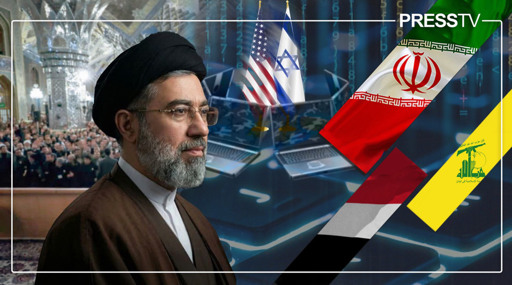
After failing militarily against Iran and the Resistance Front, the enemy has turned to hybrid warfare through economic pressure and psychological operations, but the resilient public resistance axis and unified leadership are well-positioned to thwart this campaign as well.
From Presstv via This RSS Feed.
The enemy’s psychological warfare assumes that humans are rational calculators of pain and reward. But societies built and sustained on the concept of resistance do not operate on that logic. They operate on memory, dignity, and justice.
First, the enemy has no new horror script to offer. Iranians have lived under crippling and illegal sanctions, assassination campaigns, economic warfare, and regional aggression for over four decades. The threat of more pressure, more shortages, more fear is not a novelty. They are the baseline. The enemy cannot introduce a shock that the population has not already absorbed and survived.
Second, the enemy’s credibility is zero after what it has done and faced in the past year. The same navy that imposes a blockade claims to respect international law. The same officials who speak of “negotiations” authorize the assassination of scientists and commanders. The same media that warns of “Iranian aggression” cheers the bombing of hospitals in Gaza and Lebanon.
After a certain threshold of lies, the population no longer distinguishes between propaganda and information. All enemy statements are treated as what they are: weapons.
Third, the resistance has learned counter-psychological operations. Community networks, which include mosques, neighborhood councils, civil defense teams, and even informal social media chains, act as filters. They verify, rebut, and reframe.
When the enemy broadcasts a rumor of shortages, the neighborhood committee already has a distribution plan. When the enemy fabricates a split among officials, the public sees those same officials standing together at a funeral or a briefing. The enemy’s narrative is constantly preempted and neutralized.
Fourth, promoting despair and hopelessness always backfires. When officials speak of deadlock, when the media amplifies enemy claims without rebuttal, when the suggestion is made that “there is no path other than compromise and surrender,” the enemy celebrates.
But the Iranian people have consistently rejected that deceptive framing. They have seen what compromise without withdrawal produces: more sanctions, more assassinations, more occupation. Resistance, even at a higher cost, is still less costly than surrender.
The enemy’s psychological campaign is energy-intensive. It requires constant messaging, constant adjustment, and constant funding. And when the feedback loop shows no increase in desertions, no collapse in morale, no popular uprising against the government, the campaign becomes a farce.