

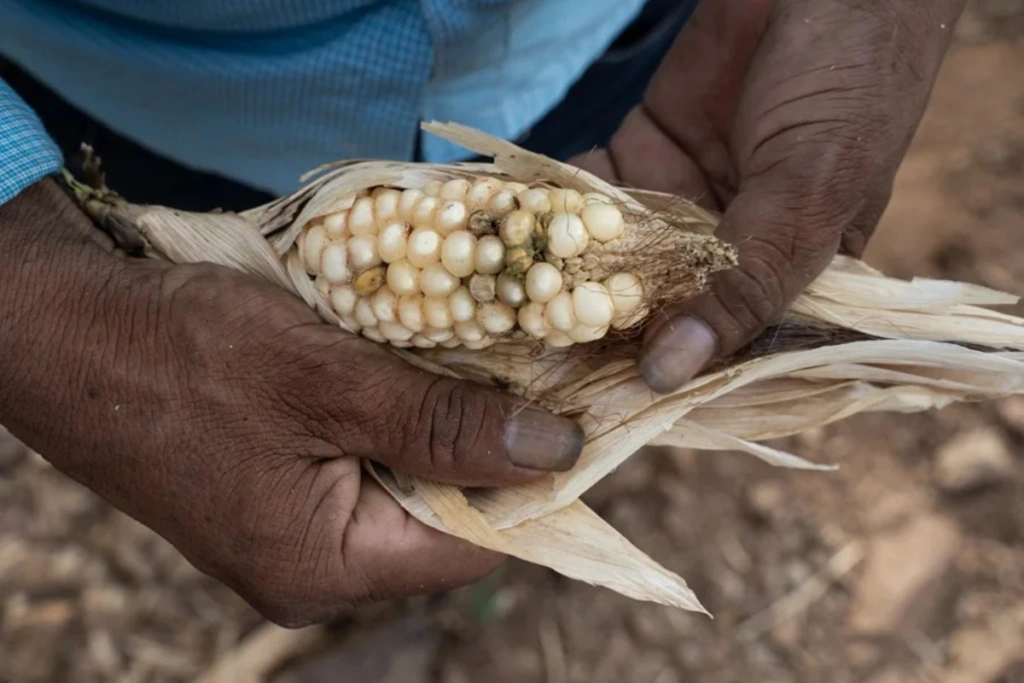
An El Niño-intensified drought could push more than four million additional people in Central America into food insecurity, raising the total affected to 9.2 million by the end of 2027, the World Food Programme’s director for Latin America and the Caribbean, Lena Savelli, warned.
The Hunger Hotspots report, released Friday by the WFP and the Food and Agriculture Organization, places Central America—alongside Haiti—among Latin America and the Caribbean’s most food-vulnerable hotspots and identifies 16 critical areas worldwide where nutrition could worsen significantly over the next six months.
RELATED: WFP Warns Hunger in Haiti to Reach Historic High in 2027
In the Central American Dry Corridor—covering parts of Guatemala, El Salvador, Honduras, Nicaragua and Costa Rica—the first 2026 agricultural season was the driest in 40 years, with crop losses exceeding 75% in multiple localities, the report said.
Up to 3.2 million people in Guatemala face acute food insecurity between November and February, the agencies warned, adding that premature depletion of food reserves could bring forward the next scarcity cycle.
📍#Honduras: Dry land and failing crops are already putting families’ food and incomes at risk, explains WFP’s @lenasavelli1 ⬇️
As #ElNiño hits families across Central America, WFP is using climate financing, anticipatory action and cash assistance to help them protect food… pic.twitter.com/cAfsaQVWD5
— World Food Programme (@WFP) September 22, 2026
The WFP activated preventive measures and is providing direct support to about 450,000 people in Central America through cash transfers or food assistance, alongside financial mechanisms to mitigate rural losses, Savelli said.
Savelli described the situation as a slow-onset crisis rather than a passing disturbance, saying families are losing crops and livelihoods and with them the ability to put food on the table.
From teleSUR English via This RSS Feed.