

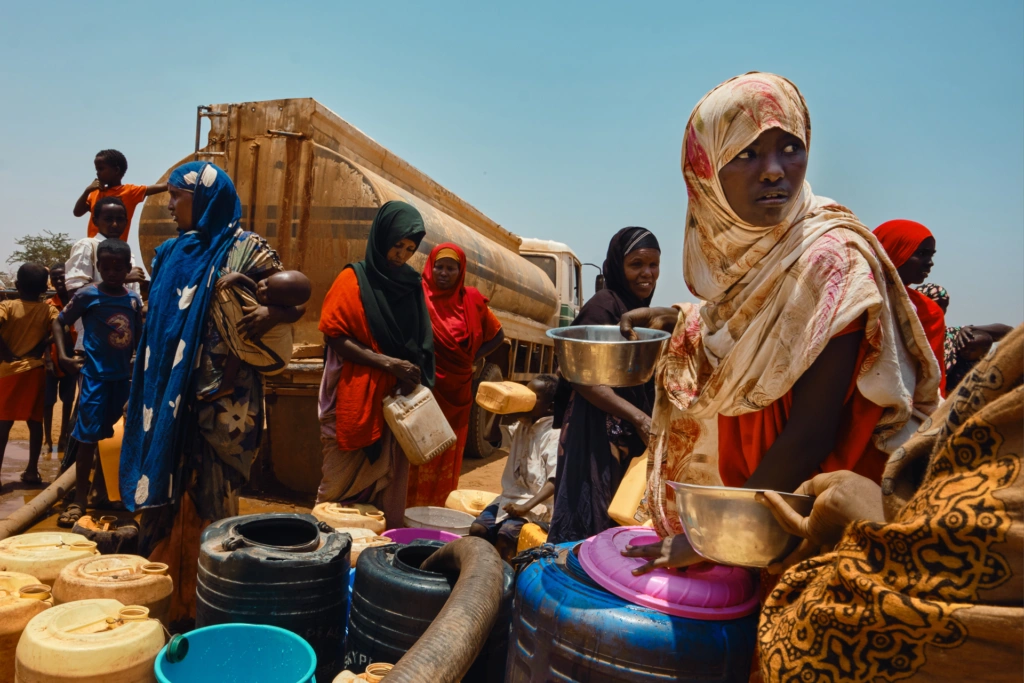
The United Nations warned that the humanitarian crisis in Somalia is worsening because funding for the 2026 Humanitarian Response Plan has not exceeded 36 percent of the amount required, leaving millions of people at risk of losing life-saving assistance.
The warning was issued through the UN Office for the Coordination of Humanitarian Affairs (OCHA). UN Secretary-General’s spokesman Stéphane Dujarric said an appeal for $852 million raised only about $306 million, leaving a funding gap of more than 64% of the total budget estimated to address emergencies in the country.
According to OCHA records, the plan aims to assist about 2.4 million of the 4.8 million people in need in Somalia. OCHA reports show that critical sectors such as food security, health and nutrition have low coverage compared with projected needs this year.
RELATED: Somalia: At Least Three Civilians Killed in Clashes Between Police and Protesters
Dujarric warned that more than 1.4 million people have not yet received the aid they need. He said that between January and October, humanitarian agencies, despite operational and security restrictions on the ground, assisted about 920,000 people.
The lack of contributions is directly hitting vital programs across the country. Dujarric said the shortage of financial resources, together with obstacles to delivering aid, has forced the United Nations and its partners to cut essential operations.
Somalia’s National Disaster Management Agency (SoDMA) warned of a convergence of prolonged drought, acute food insecurity, internal displacement and health outbreaks. It said millions of residents suffer severe shortages of drinking water, child malnutrition or displacement linked to climate shocks and armed disputes, while domestic allocations remain limited compared with the size of the budget deficit.
#Somalia Funding Overview – Apr 2026
Highlights:
➡️ Funding far below requirement, only 13% received
➡️ Millions at risk due to drought, displacement & rising prices
➡️Critical humanitarian activities constrainedSee more: https://t.co/L0RA7ixgpl pic.twitter.com/6hSgpnnf3t
— OCHA Somalia (@OCHASom) April 21, 2026
Drought, Floods and Appeals
OCHA documented contrasting climate shocks during the year. After severe drought episodes depleted water sources in regions such as Mudug and parts of the north, seasonal rains caused flash floods that affected at least 175,000 people and damaged basic water, sanitation and shelter infrastructure in vulnerable communities.
Organizations on the ground say the scarcity of funds forces them to prioritize minimal emergency interventions instead of sustained responses. OCHA stressed that millions of Somalis risk losing the aid their lives depend on if additional contributions do not arrive quickly. It urged donor states to sustain humanitarian funding to prevent the budget deficit from widening food insecurity, preventable diseases and forced displacement.
The country has swung between severe dry spells and heavy seasonal flooding for years, and that alternating pattern has hardened what could have been passing emergencies into a chronic humanitarian condition for millions of displaced families and people living in extreme vulnerability.
Updated #IPC confirms that millions of Somalis face high levels of acute food insecurity & malnutrition.
Risk of famine no longer projected in Baidoa.
5.3M people face severe food insecurity (Oct–Dec), down from 5.4M.
Acute malnutrition remains high.https://t.co/XZzC8UBSdo pic.twitter.com/8EkI3bba6V
— OCHA Somalia (@OCHASom) November 25, 2026
A Shrinking Aid Plan
In 2026, the humanitarian picture is defined by a smaller budget. The coordinated United Nations plan requests 852 million dollars, a reduction of 548 million from the 1,400 million sought the previous year. Disbursement has fallen below 36 percent of the appeal.
For Somalia, the deficit translates into cuts in food assistance, safe water, health services, and protection programs. The reductions arrive as climate pressures and active conflicts continue to strike the same vulnerable population.
The shortfall does not reflect a calmer situation on the ground. Displacement continues, and families who depend on external support for food, clean water, and medical care now face thinner resources precisely when those needs are rising.
Somalia has endured more than three decades of political instability, internal armed conflict and recurring climate shocks that have weakened its institutions, rural infrastructure and traditional livelihoods of herding and farming. Those forces have weakened state institutions, rural infrastructure, and the traditional livelihoods built around herding and agriculture.
The convergence of drought, flooding, and conflict leaves little room for recovery. With the UN plan funded at less than 36%, the distance between what Somali communities need and what the aid system can deliver widens through 2026.
From teleSUR English via This RSS Feed.