

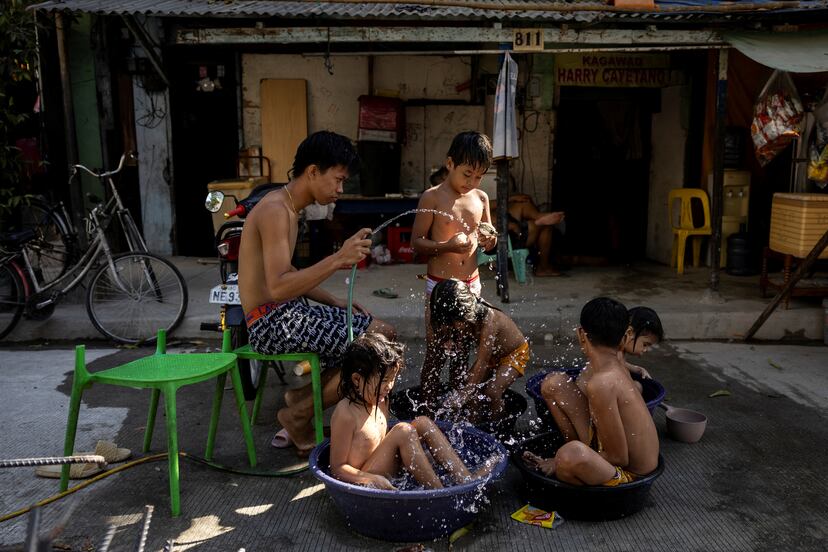
Heat-related health events in the Philippines climbed 121 percent this November, from 24 to 53 as of November 23, as the El Niño phenomenon drives temperatures upward and forces health authorities to expand surveillance and prevention measures.
The Department of Health (DOH) has recorded 166 cases of heat stroke, heat exhaustion, and other heat-related conditions this year, according to data cited by the Philippine newspaper Manila Bulletin. The figure is 49% lower than the 326 cases reported last year.
The department also clarified that the cumulative number of cases is 49% lower this year than last year, when 326 were recorded.
RELATED: More Than 30 Million Southern Africans Could Be Affected by El Niño
The Department of Health explained that a “health event” is an occurrence in which an illness appears or could develop, while a “case” is a person who meets the criteria for surveillance and outbreak investigation. It added that before 2026, some heat-related illnesses were recorded without specifying whether they were heatstroke or heat exhaustion.
Because of those differences in definition and recording, the 121% increase in events and the 49% decline in cumulative cases are not directly comparable.
The Philippine Atmospheric, Geophysical and Astronomical Services Administration (PAGASA) warned Puerto Princesa, Palawan and other areas of “danger” level heat indexes on Saturday, November 28.
Read more:https://t.co/7t3BDMeKck pic.twitter.com/UgamU7CwyB
— GMA News (@gmanews) November 27, 2026
Peak Before 2027
Pagasa, the Philippine weather agency, expects El Niño to remain very intense through November, reach its peak before the end of 2026, and persist through the first quarter of 2027. Its effects will likely extend across the first half of next year, keeping heat-related pressure on the health system for months.
“Given the forecast of an extreme El Niño phenomenon, the Department of Health is further strengthening its epidemiological surveillance system, including the disaggregation of the Human Risk Index (HRI),” the agency said in a statement.
The public guidance accompanying the warning is straightforward:dDrink eight to ten glasses of water a day during intense heat, open doors and windows to ventilate enclosed spaces, wear light-colored clothing and limit physical exertion during the hours of strongest sunlight. Each measure targets the dehydration and overheating that precede the most serious conditions.
El Niño stems from the abnormal warming of surface waters in the tropical Pacific Ocean. The shift disrupts weather patterns, producing heavy rains and flooding in some regions and extreme drought in others. Sustained heat raises the risk of heat exhaustion and heat stroke, the conditions the Philippine health system is now tracking more closely.
DOH intensifies ‘anticipatory’ El Niño response, disease monitoring
By Joyce Ann RocamoraMANILA – The Department of Health (DOH) is intensifying its surveillance and early detection of climate-sensitive diseases as part of its anticipatory and strengthened response to the very… pic.twitter.com/BZpyzrgGh5
— Philippine News Agency (@pnagovph) November 26, 2026
The burden is not confined to Southeast Asia. The phenomenon cuts across the Pacific, testing the health infrastructure of several countries in the Global South at the same time.
For Philippine officials, the coming months will measure whether a stronger surveillance system can keep pace with a hotter climate. With El Niño peaking before the end of 2026 and lingering into 2027, the November figures may mark the beginning of a longer trial rather than its end.
From teleSUR English via This RSS Feed.