

Climate experts are sounding alarms over recent data showing that the Earth’s surface temperature for the, for the first time since record keeping began, exceeded and remained 2°C above preindustrial levels over the span of a full week.
As The Financial Times reported on Friday, preliminary measurements from Copernicus, the European Union’s Earth observation agency, reveal that the average surface temperature has exceeded 2°C above preindustrial levels since Nov. 20, a record-breaking streak that came amid the collapse in climate talks at the COP31 summit and the latest impacts of extreme weather events.
The temperature increase is coinciding with an unusually strong El Niño event in the Pacific Ocean that is projected to last through at least next the beginning of 2027.
But Akshay Deoras, senior research scientist at the University of Reading department of meteorology, told The Financial Times that El Niño by itself wouldn’t have this large of an impact on the global climate without the help of human-produced greenhouse gases in the atmosphere.
“The more often you see records like this… the more the long-term average rises,” said Deoras. “And that is a danger sign.”
Samantha Burgess, strategic lead for Climate at the European Centre for Medium-Range Weather Forecasts, similarly told The Financial Times that the record-breaking surface temperature streak was “a stark preview of where our climate is heading” even after El Niño dissipates.
“El Niño will come and go," said Burgess. “The underlying warming from greenhouse gas emissions will not, unless we bring those emissions down.”
While El Niño is expected to peak within the next two months, experts warned that its impact likely won’t be fully felt until months afterward.
Richard Betts, head of climate impacts research at the Met Office Hadley Center, outlined the negative effects the global temperature streak will have in the near future in an interview with The Guardian published Wednesday.
“The immediate impacts of droughts in places like the Amazon can be severe, leading to forest fires with severe human health impacts through smoke pollution, and also damaging the ecosystems,” said Betts. “More widely, there may be risks to food and water supplies.”
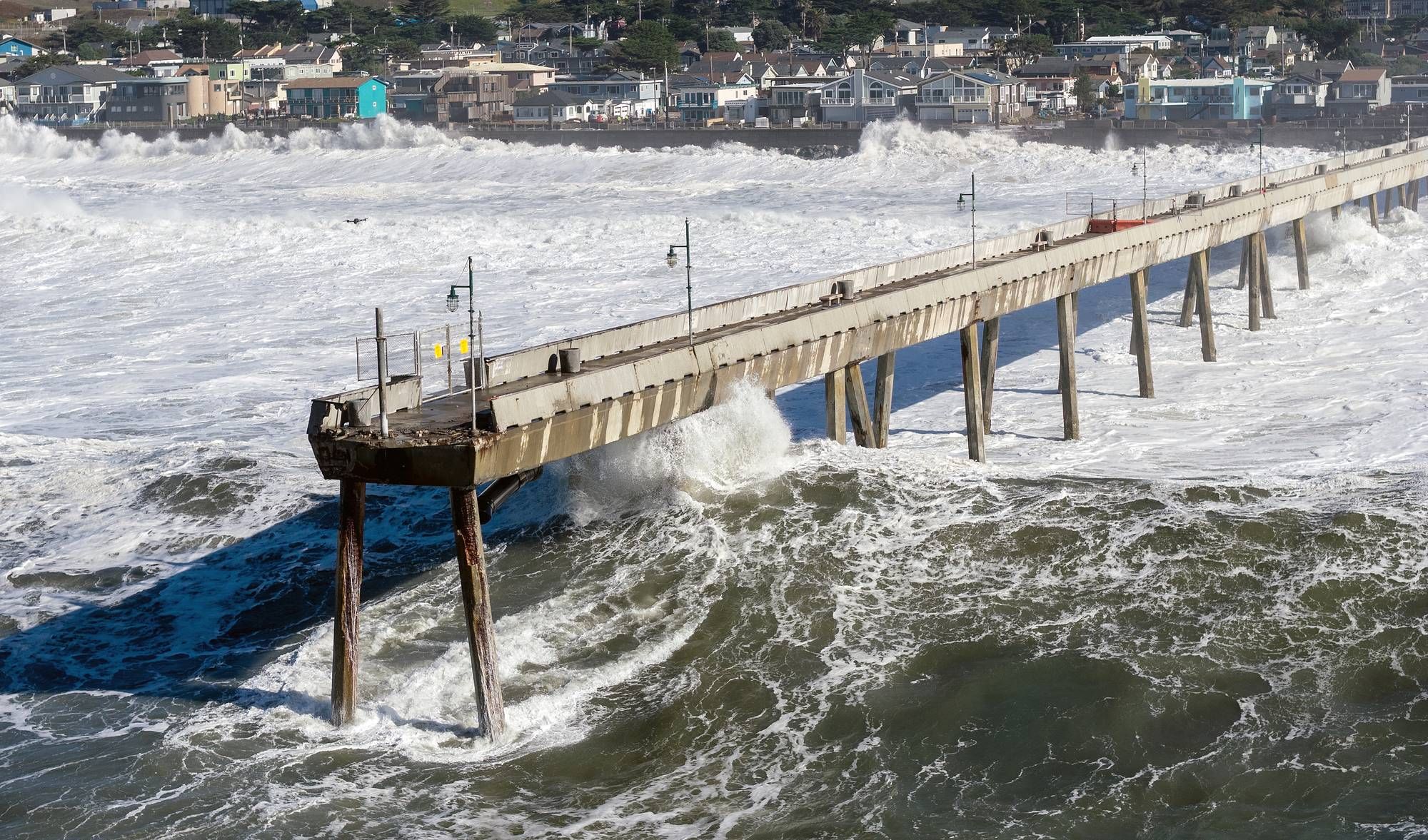
In an interview with Heatmap published Friday, Daniel Swain, climate scientist at the University of California Agriculture and Natural Resources, pointed to water spouts that recently manifested in San Francisco Bay as an example of the kind of extreme climate phenomena we’re likely to see thanks to the combination of El Niño and greenhouse gasses.
“We’re really starting to see the profound influence of these extremely warm ocean waters,” Swain explained. “I think this was a contributor to the level of buoyancy that enabled the water spouts.”
Swain also said that the current El Niño will likely be the strongest one to occur in the last 1,000 years, noting it is producing a “bonkers absurd extreme marine heat wave” off the coast of California.
From Common Dreams via This RSS Feed.