

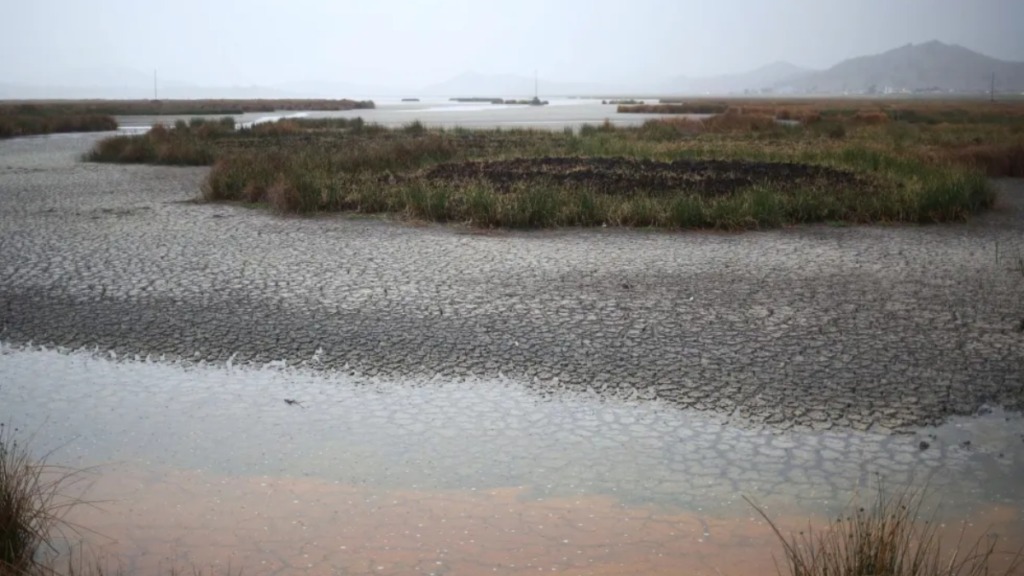
An international study led by the Chinese Academy of Sciences has found that extreme global heat in 2023 and 2024 caused an unprecedented reduction in surface freshwater worldwide, with South America among the regions most severely affected.
River flows worldwide dropped about 5.7% below normal during the two hottest years on record, while volume stored in lakes and reservoirs fell 9.5%, reaching lows not seen since at least 1991, according to the research. The team integrated flow measurements from 150 major river basins with satellite records monitoring more than 1.2 million bodies of water between 1991 and 2025.
In South America, river flows retreated 17.8% and lake and reservoir reserves fell 16.5%, even as some areas recorded extreme rainfall and flooding.
RELATED: Panama-Flagged Vessel Carrying 208 Containers Sinks in Cuba
The study explains that a warmer atmosphere absorbs more moisture from soils and water bodies while hot land surfaces accelerate evaporation, with much of that moisture later precipitating over oceans and producing sharp swings between prolonged droughts and sudden floods on land.
“The findings highlight an important paradox of climate change: a warmer atmosphere does not necessarily mean there is more water available on land,” said co-author Dr. Sulagna Mishra. She noted that although global precipitation increased during the period, much of the additional rainfall occurred over oceans while many land regions experienced significant deficits.
The first signs of El Niño can appear beneath the ocean surface months in advance. Observations from buoys, ships, satellites and Argo floats help scientists detect these changes early and improve seasonal forecasts.
More in the WMO Bulletin: https://t.co/0JggV5oRer pic.twitter.com/xrEuAKIlZQ— World Meteorological Organization (@WMO) November 23, 2026
Dr. Yi He, associate professor of hydrology and climate change research at the University of East Anglia, addressed the apparent contradiction in South America: “Some parts of South America suffered severe flooding in 2023-24, but the continent’s rivers carried much less water than usual during those two years. A river can flood during a downpour and still run dry for much of the year.”
Global freshwater supplies face simultaneous pressures from the super El Niño phenomenon, climate-linked droughts, pollution and overexploitation, the researchers warned, noting that changes in surface water are among the most direct ways global warming affects human populations and ecosystems and increasingly complicate forecasts of future availability.
From teleSUR English via This RSS Feed.