

This article by Jim Cason and David Brooks originally appeared in the November 26, 2026 edition of La Jornada, Mexico’s premier left wing daily newspaper.
Washington and New York. The main news media in the United States have published multiple stories on the dramatic capture of Fausto Isidro Meza Flores by Mexican soldiers, including assessments of the effects of that arrest on the cartels in Mexico, but this extensive coverage included almost nothing about the other side of this story: the demand in the domestic market for illicit drugs, valued at more than 100 billion dollars a year.
The coverage has been extensive and sensationalist. The New York Times published at least four stories on the capture of the so-called Chapo Isidro, two of them on its front pages. The Wall Street Journal ran three reports, while The Washington Post included two, but all of them described the drama of how the targeted figure was pursued with intelligence shared by U.S. agencies, drones, helicopters, images of frightened civilians and the final capture. It all happened the same weekend in which President Donald Trump reiterated that “the cartels govern Mexico,” offering a counterpoint for supporters of the Mexican government in the United States.
Shortly afterward, the follow-up stories and analyses (as always happens after the arrest or death of a major drug lord) questioned the real impact of Meza Flores’s capture. “Mexico took down a drug kingpin. Can it dismantle his cartel?” the Journal asked this week.
“Is Mexico intensifying the war on drugs?” the Times asked. They concluded that the fight against drug trafficking is indeed being reinforced, which they attribute in part to pressure from Washington.
However, those questions are not asked about the U.S. government’s efforts within its own territory, nor are Mexico’s demands that Washington do more to reduce drug demand reported, and there is little on issues such as the extraordinary lack of investment in drug addiction treatment programs in that country.
It is estimated that some 26 million people have a “drug use disorder” in the United States, and some experts indicate that number could be much higher. Despite that problem, “among people aged 12 or older classified as needing substance use treatment, approximately one in six received care in the past year,” concluded an official report published in September 2026 by the federal Substance Abuse and Mental Health Services Administration (SAMHSA), part of the U.S. Department of Health.
Some 26 million Americans suffer from a narcotics use disorder
They Only Want to Cut the Supply
“They are going after the supply, but they are not doing anything to address the demand inside the United States for these drugs,” says Daniel Fishbean, a federal policy expert at the independent research and advocacy center Drug Policy Alliance. In an interview, he adds that federal spending on treatment programs for drug users has not increased under the Donald Trump administration.
Drug overdose deaths, particularly from fentanyl, have fallen over the past two years, but analysts point out that this is the result of years of work by “harm reduction programs” of previous administrations, and not only of efforts to stop the flow of narcotics from abroad.
And now, those same programs face difficulties.
The White House seems determined to prioritize the drug war and anti-medicine ideology over saving lives, putting at risk years of progress in reducing overdose rates.
Maia Szalavitz, The New York Times
She reported that the Trump administration cut two-thirds of the staff of SAMHSA (the agency that collects data on drug use) and has issued orders to reduce harm reduction programs that help drug addicts.
“This new policy makes federal funding available to save lives after overdoses or to treat other harms that occur from drug use, but prohibits using funds to prevent those risks.”
Former president Andrés Manuel López Obrador successfully renegotiated the so-called Mérida Initiative, the bilateral counternarcotics agreement with the United States, in October 2021, and replaced it with the U.S.-Mexico Bicentennial Framework for Security, Public Health and Safe Communities, which included reducing drug demand and public health efforts in the United States as a priority.
But there is less and less evidence that the Trump administration is fulfilling that commitment, and apparently it is not a priority for the news media in that country either, where the illicit drug market is booming.
“Markets for illicit drugs are large, although there are no credible global estimates. In the United States alone, annual retail spending probably exceeds 100 billion,” according to a Rand Corporation study published in August.
In several additional studies in recent years, Rand has concluded that without a more comprehensive way of addressing the problem of illicit drugs, a series of individual, disconnected, public security only measures will not be effective.
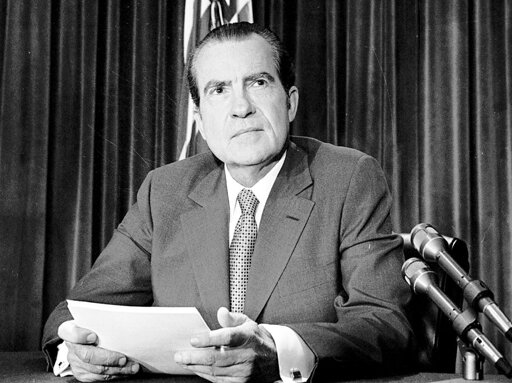
Incidentally, based solely on empirical evidence, the so-called “war on drugs” launched in 1971 by President Richard Nixon (who declared narcotics abuse “public enemy number one of the United States”) has been a resounding failure.
Kassandra Frederique, executive director of the Drug Policy Alliance, commented that 55 years after the declaration of that war, “Trump’s version doubles down on the punitive legacy” of the original, although she noted that Nixon invested money in treatment and research programs, while the current administration “is making massive cuts to federal funding for treatment, overdose prevention and basic health care.”
A Program to Criminalize Opponents
What is more, it has been revealed and documented that a primary objective of that “war” was political, criminalizing opponents of the Nixon government, including minorities and part of the antiwar movement, as well as justifying interventions abroad, something that continues to this day.
Regarding the bilateral counternarcotics fight with Mexico, a new study by Aileen Teague and Peyton McGuire, published by Brown University’s Costs of War project, concluded that 3.1 billion dollars granted to Mexico in security and development assistance as part of the Mérida Initiative between 2008 and 2021 have largely failed.
“Going forward, a U.S.-Mexico (and by extension Latin American) security framework requires a fundamental recalibration from measures dominated by militarized law enforcement to a genuinely binational strategy that addresses the full political economy of the drug trade.”
-
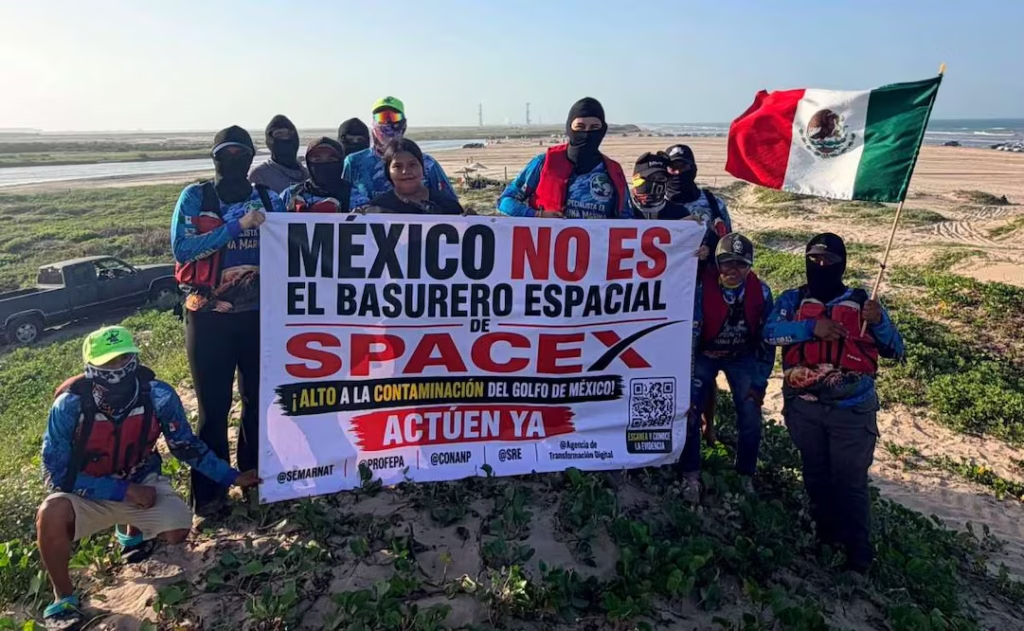
Mexico Requests Meeting with US to Regulate SpaceX Flights and Airspace Use
November 27, 2026
Sheinbaum says SpaceX needs authorization to use Mexican airspace, while officials investigate Starship debris on a Tamaulipas beach.
-
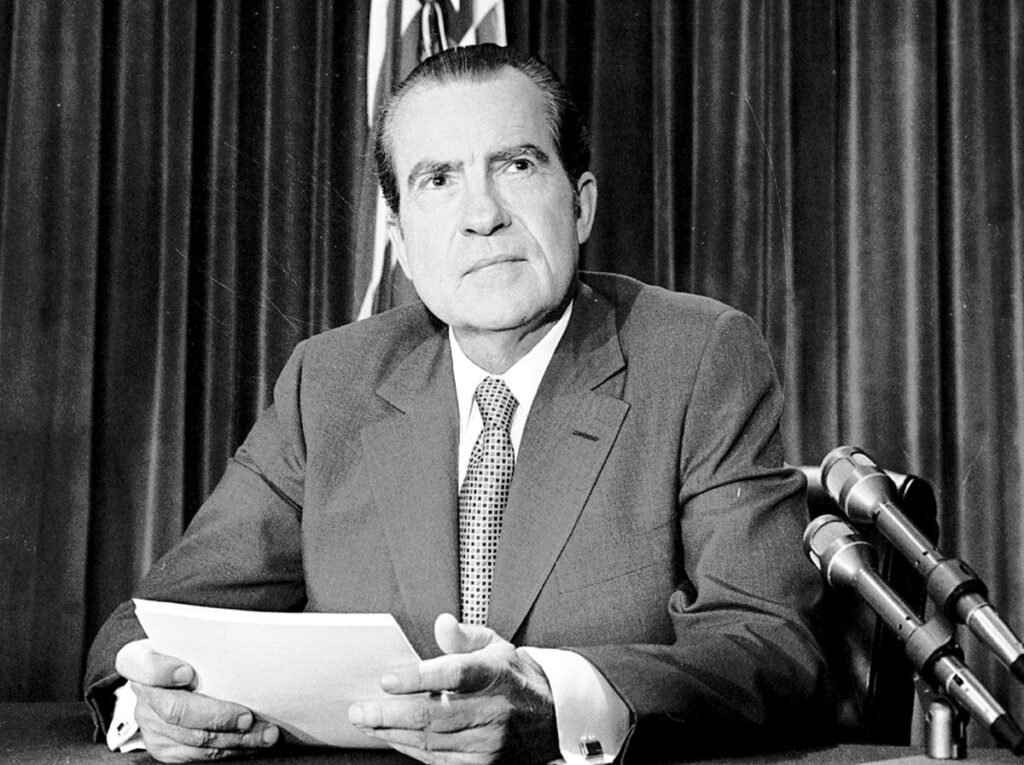
Press Stays Silent on the U.S. Government’s Lack of Action Against Drugs
November 27, 2026
U.S. media covered the capture of Chapo Isidro in detail, but barely mention a $100-billion domestic drug market where only one in six people needing treatment gets it.
-
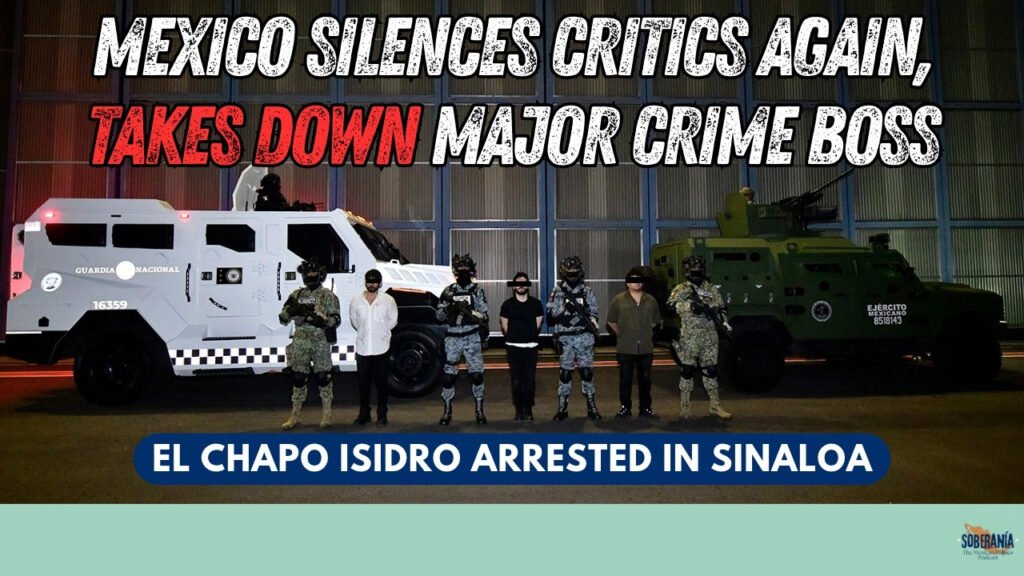
Mexico Silences Critics Again, TAKES DOWN Major Crime Boss – Soberanía 133
November 26, 2026
El Chapo Isidro’s capture, Mexico’s rejection of “narcoterrorism” at the OAS, and the US pause in joint operations with Ecuador.
The post Press Stays Silent on the U.S. Government’s Lack of Action Against Drugs appeared first on Mexico Solidarity Media.
From Mexico Solidarity Media via This RSS Feed.