

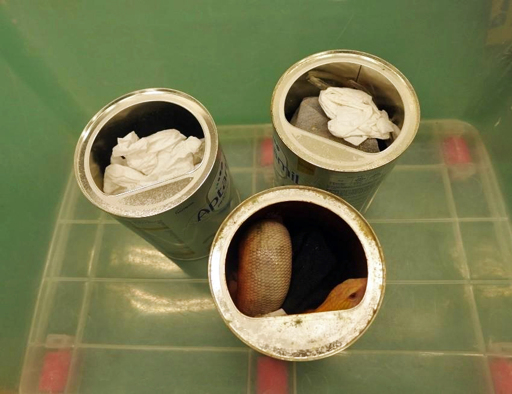
From lizards to snakes, Hong Kong is emerging as a primary trafficking center for native Australian reptiles, reports contributor Selina Cheng for Mongabay. In December 2025, customs authorities intercepted a consignment from Australia containing 13 live lizards stuffed inside winter boots. Hong Kong’s customs agency said the air cargo was falsely declared as snacks. This was the fourth such seizure of live native Australian reptiles by Hong Kong customs authorities between 2025 and 2026. Across the four seizures, officials confiscated at least 98 animals, including 74 lizards and 24 snakes, valued at more than HK$1.1 million ($141,100). Intelligence briefing papers from researchers at the Wildlife Crime Research Hub at Adelaide University in Australia confirmed that Hong Kong “functions both as a destination and a potential transit hub within broader trafficking networks.” In Australia, keeping native reptiles as pets is strictly regulated and requires a license. But Hong Kong and mainland China don’t require proof of legal origin or documentation for possession. This has allowed illegally smuggled wildlife to be “laundered” in Hong Kong’s legal trade. Australia has since 1982 also banned commercial exports of live native species. However, an estimated 15% of Australia’s endemic reptile species have entered illicit international trade, according to the Wildlife Crime Research Hub. Dylan Chadwick, from the research hub, told Mongabay that demand is high for skinks in the genus Tiliqua, including the shingleback (Tiliqua rugosa), nicknamed the “pine cone lizard” in China. “Reptiles gained immense popularity during Covid lockdowns as low-maintenance pets, with buyers…This article was originally published on Mongabay
From Conservation news via This RSS Feed.