

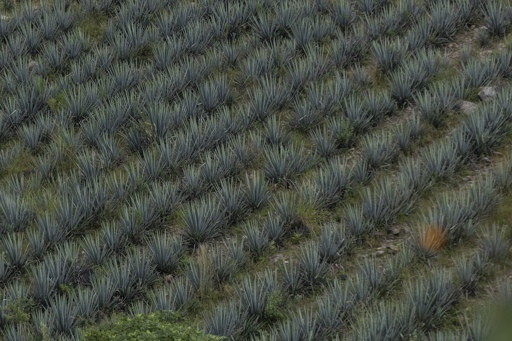
For decades, Manuel García Castro has grown corn, squash and beans to feed his family and livestock. In 2019, he followed in the footsteps of prosperous local farmers and dedicated a portion of his land in the highlands of Jalisco, western Mexico, to planting blue agave, used to make tequila. A friend persuaded him to plant 15,000 shoots on 3 hectares (7.41 acres) of his land and in other areas where his cattle grazed. García Castro would provide the labor; his friend, the capital. “We have to give it a shot to see if there’s some way to make money from something else,” was their thinking, he told Mongabay. Back then, raising livestock didn’t bring in much money and expenses were high. They invested 500,000 Mexican pesos (around $25,300) in plants, pesticides and fertilizers, not including payment for García Castro’s own labor and that of the farm worker who helped him. Four years later, in 2023, hopes of selling the blue agave began to fade. Sale prices per kilogram plunged by as much as 92% compared with those between 2017 and 2019. The business was no longer profitable in the short term. Manuel García and his partner abandoned the fields two years ago. The tequila boom Tequila has a protected designation of origin in the states of Guanajuato, Nayarit, Tamaulipas, Michoacán and Jalisco. The drink is considered a national brand and a symbol of Mexican identity. Over the past decade, the tequila industry has boosted its exports and developed premium…This article was originally published on Mongabay
From Conservation news via This RSS Feed.