

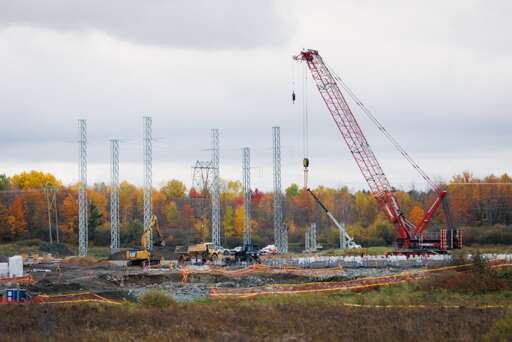
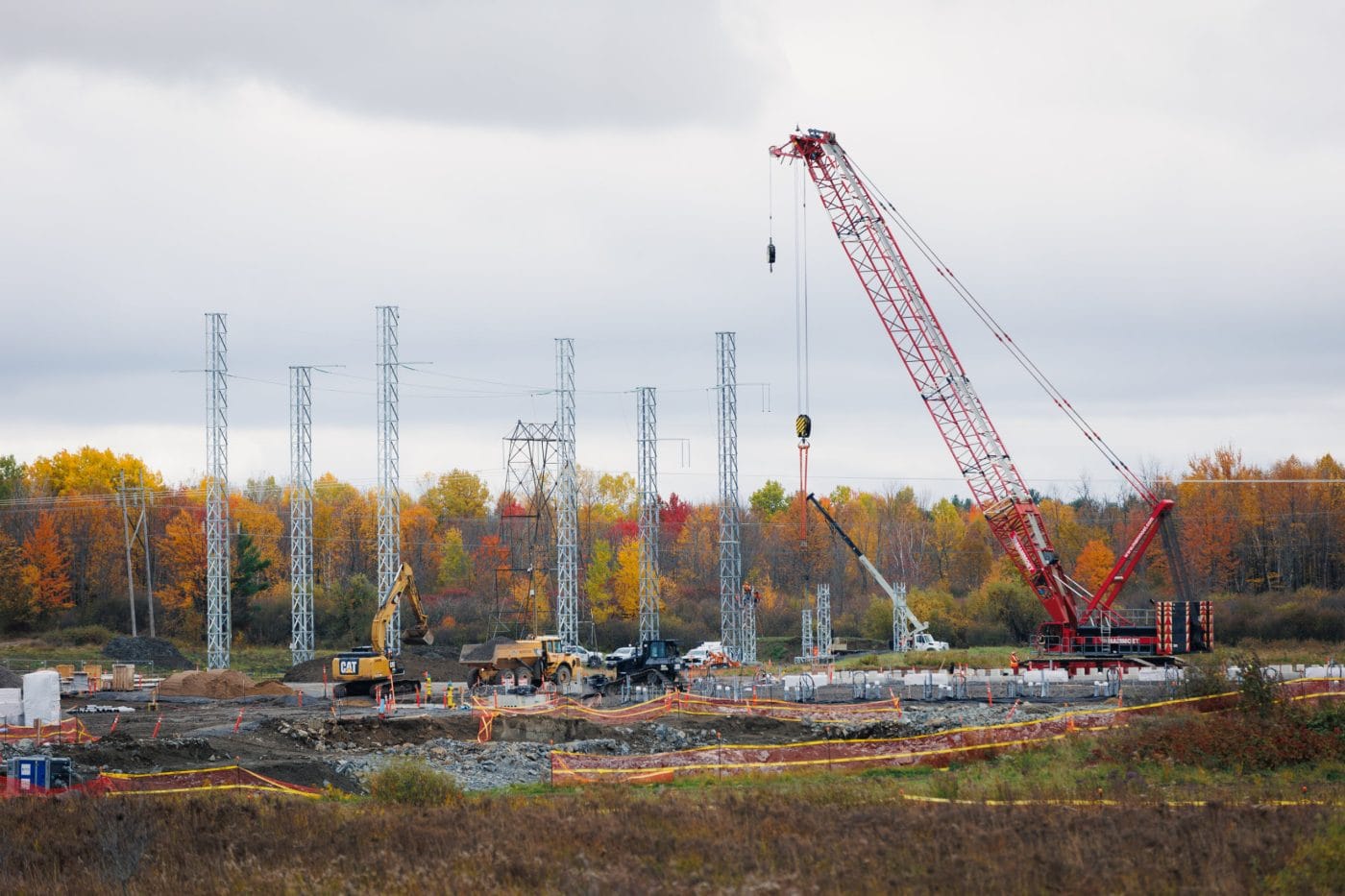
On a bright, cool day in October, a patch of private land in west Ottawa was a hive of activity. Dump trucks and tractor-trailers came and went as excavators dug into the soil and cranes towered overhead.
As the trucks rumbled along Marchurst Road, a rural area within Ottawa city limits, they passed a handful of little signs at the ends of driveways, all meant to send them a blunt message: stop the project.
The signs showed a red stop sign, and the words “Stop Marchurst BESS,” which stands for battery energy storage system. Frustrated local residents, fed up after fighting fruitlessly to keep the project out of their community, put up the signs as a form of protest, even as construction work pressed on.
“We all drink from the wells here, so that’s our main concern,” Catherine Leigh Spotswood, the chair of the West Carleton Community Alliance, the nonprofit which is distributing the signs at cost, said in an interview near the battery site. “This is going over our aquifer.”
Battery energy storage systems are industrial sites where large, rechargeable batteries store excess electricity from the grid during off-peak hours, and then discharge it back into the grid when demand is high. The $650-million South March Battery Energy Storage System being built on Marchurst Road is Ottawa’s largest-ever such project and can hold enough energy to power up to 250,000 homes for up to four hours, based on government figures of a comparable facility.
The Ontario government wants to see these types of sites built, and fast. Ontario Energy Minister Stephen Lecce has directed the Crown corporation that manages the province’s grid to increase electricity supply, and wrote a letter of support for the South March battery site in particular. Ontario is vying to construct the largest fleet of battery storage sites in the country, to feed a growing appetite for electricity as cars and home heating systems electrify and the artificial intelligence (AI) arms race intensifies. Ottawa city council passed a resolution supporting the site and changed its zoning rules to allow for it in late 2025.
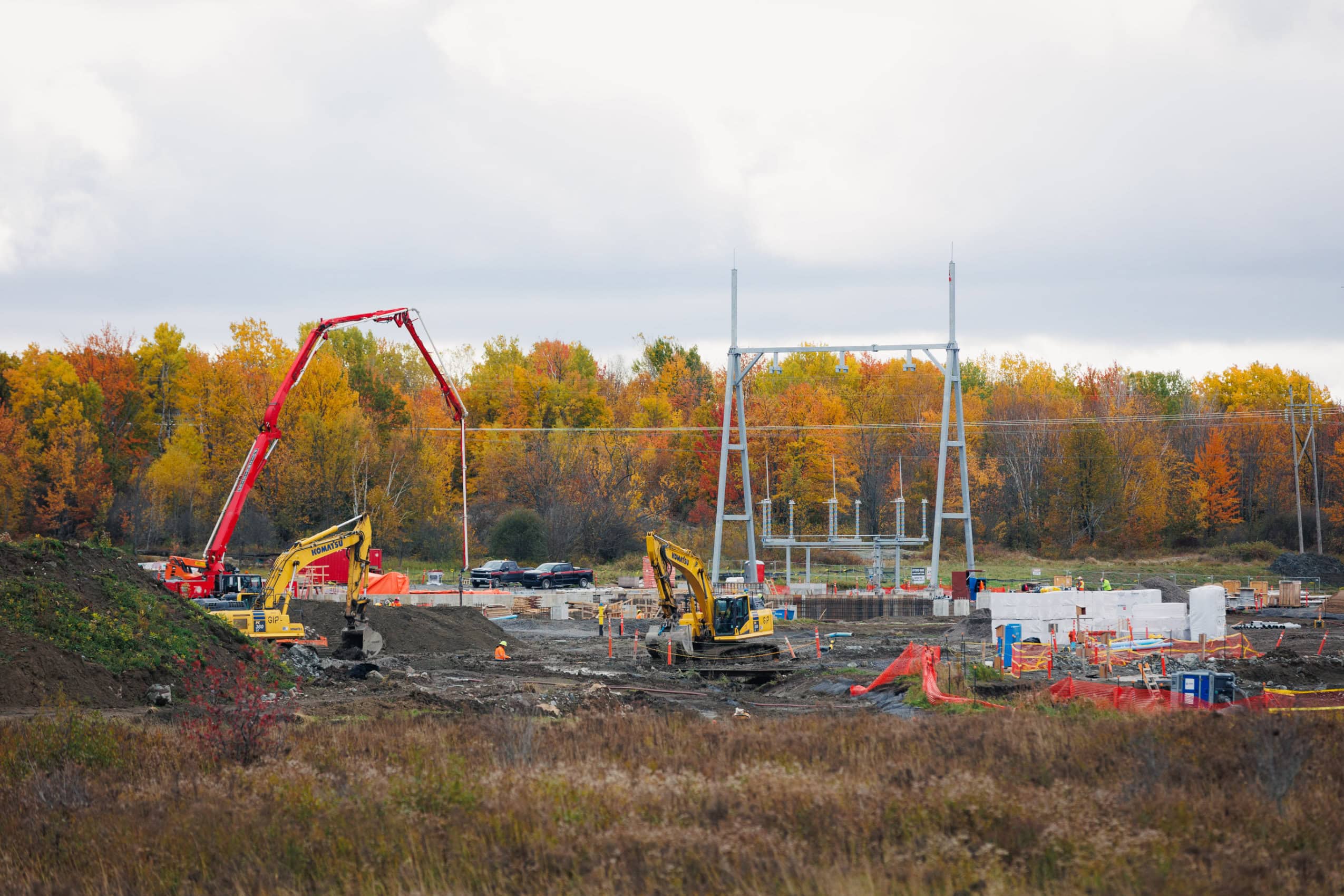
Battery storage systems store excess electricity from the grid during off-peak hours, and then discharge it back into the grid when demand is higher. Some environmental advocates welcome the new technology because it can help reduce demand on emissions-heavy gas power plants.
In theory, these sites can reduce the demand for electricity from natural gas power plants, which create unhealthy, planet-warming emissions when they burn fossil fuels to generate power. It’s one reason the Ottawa-based environmental and climate advocacy group Community Action for Environmental Sustainability has welcomed battery storage systems within city limits.
“We think the alternatives [are] more transmission corridors, which eat up tonnes of land and have a negative impact on wildlife, biodiversity and agricultural land, or gas plants, which have health impacts and climate impacts,” executive director of the advocacy group, Angela Keller-Herzog, said in an interview.
Her group’s support for the project comes as the oil and gas industry lobbies to keep natural gas in Ontario homes, and as the provincial grid gets dirtier as nuclear plants come offline for refurbishment, replaced with natural gas generation.
But the Marchurst Road project is being built next to a cluster of wetlands considered “provincially significant.” They are part of the Carp Hills, the second-largest natural area within the city, and a candidate for another provincially protected designation of an “area of natural and scientific interest.” Its beaver ponds and walking trails are an oasis of natural beauty, home to rare plants and species at risk.
No wetlands are actually on the property where the batteries are being built, according to the project’s environmental impact study, just nearby. The proponent says it picked the nine-hectare site in part because it’s close to a high-voltage transmission line that connects to a nearby substation.
Locals who rely on well water, however, see the Carp Hills as a critical aquifer and believe any industrial project near it poses a risk of contamination. They are concerned by stories about battery fires lasting for weeks, like the one that happened in Prince Edward Island in September, or spreading toxic gas, like in Montreal in 2024. In the event of a battery fire, they worry the groundwater, local plant life or animal life, or even residents themselves could be affected. The battery site is expected to be in operation for about 25 years.
Planning documents show the South March batteries are expected to use a type of lithium-ion technology to store up to four hours of continuous discharge at full capacity, spread across 256 containers (rising to 307 over its lifespan.) Experts consider lithium-ion batteries in general to be relatively safe and unlikely to catch fire — although it does still happen. The California nonprofit Electric Power Research Institute’s database has tracked 22 fires at battery energy storage sites that run on lithium-ion based technologies between 2011 and 2026.
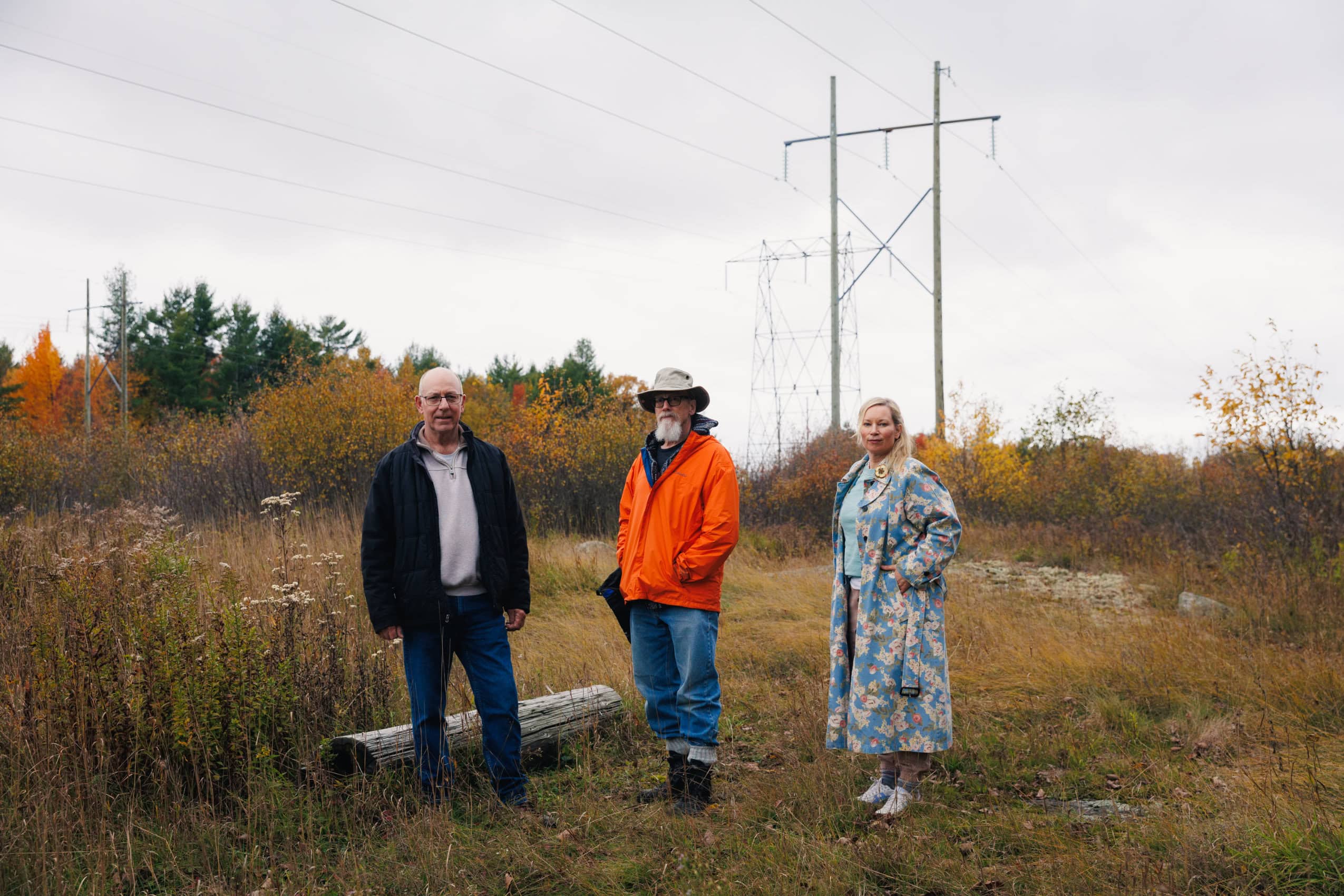
Three of the four directors of the West Carleton Community Alliance: Ed Hoskins, treasurer; Michael D’Asti, vice chair; and Catherine Leigh Spotswood, chair. Missing is Brenda Halabisky, corporate secretary.
Earlier this year, the West Carleton Community Alliance took its case to court. The group tried — and failed — to quash a zoning bylaw amendment that allowed the batteries to be built. In a case heard at Ontario Divisional Court in March, the group argued it would result in “irreparable harm” to species at risk, potential harm to groundwater and also impact fire safety and emergency responses.
The court dismissed a motion to pause the amendment’s implementation, finding that “the evidence shows that no irreparable harm will result” from either the batteries or the zoning amendment. It also found no evidence that the community group spoke “on behalf of anyone but its four directors.”
The group, however, says it has collected signatures from more than 1,400 people opposing the site.
Ottawa has had a run of extreme weather events turbocharged by climate change in recent years, from the tornado that ripped through the nearby community of Dunrobin in 2018 to the major flooding this past summer. Like many Canadians, the group’s members are hopeful for solutions that help reduce fossil fuel use.
“We’re not opposed to the technology, we’re not opposed to the idea. What we oppose is the location,” Michael D’Asti, the community group’s vice-chair, said.
The largest Indigenous-led investment in the city’s history
Ottawa sits on unceded Anishinaabe Algonquin territory. The company responsible for developing, owning and operating the South March battery project is Fitzroy BESS Inc., which is a partnership between a subsidiary of the Algonquins of Pikwàkanagàn First Nation and another subsidiary affiliated with Brookfield Asset Management, with another Brookfield company, Scout Clean Energy, providing expertise and resources. Brookfield Asset Management is the multibillion-dollar corporation now famous for being the former workplace of Prime Minister Mark Carney.
Mackenzie Houston, senior director at Syntax Strategic, the public relations firm representing Fitzroy BESS that responded to The Narwhal’s questions, said the project will have a “comprehensive range of safeguards” to protect groundwater and local wildlife.
These include “environmental monitoring, erosion and sediment controls,” as well as fencing and tree-planting, she wrote in an email. The company is also building an “impermeable membrane” under the site, and a stormwater management system meant to operate separately in an emergency.
Ottawa’s fire chief has told city council the fire department is trained to deal with battery fires and works closely with city planners on fire safety plans. Houston said the project team worked with the fire department and other fire safety specialists and will have “multiple layers of fire prevention, early detection, continuous monitoring and emergency response planning.” That includes measures to protect the community, first responders and the environment, she said.

The Algonquins of Pikwàkanagàn First Nation are co-developing the Marchurst battery energy storage system alongside a subsidiary of Brookfield Asset Management.
The Narwhal reached out to the Algonquins of Pikwàkanagàn First Nation for comment. AOP South March Holding, the First Nation’s subsidiary involved in the project, responded in a statement sent to The Narwhal through Fitzroy BESS. “Protecting wetlands, groundwater and wildlife is a priority for our First Nation,” it read. The company said it takes the concerns raised seriously and has “clear expectations for environmental protection throughout construction and operation.”
Last year, Merv Sarazin, elected member of the Algonquins of Pikwàkanagàn band council, said the First Nation’s stake represents the largest Indigenous-led investment in the city’s history. He said he believes it also represents an opportunity to address decades of city planning that too often ignored Indigenous voices.
“Over the years I’ve heard many people in this room, across Ottawa city council and throughout this municipal government, speak highly about their respect for Indigenous communities and your commitment to reconciliation,” he told councillors last year. “Today we have the opportunity to ensure that the Algonquins of Pikwàkanagàn First Nation have a real stake, a real equity in building the city for the next generation.”
Another of the First Nation’s subsidiaries is involved with a Brookfield subsidiary in building another battery site in south Ottawa, next to Highway 416 in a field south of the Trail Road landfill. The First Nation has also partnered with a subsidiary of Power Corporation of Canada on the Skyview 2 Battery Energy Storage System an hour’s drive south of the city, billed as the largest such facility in the country.
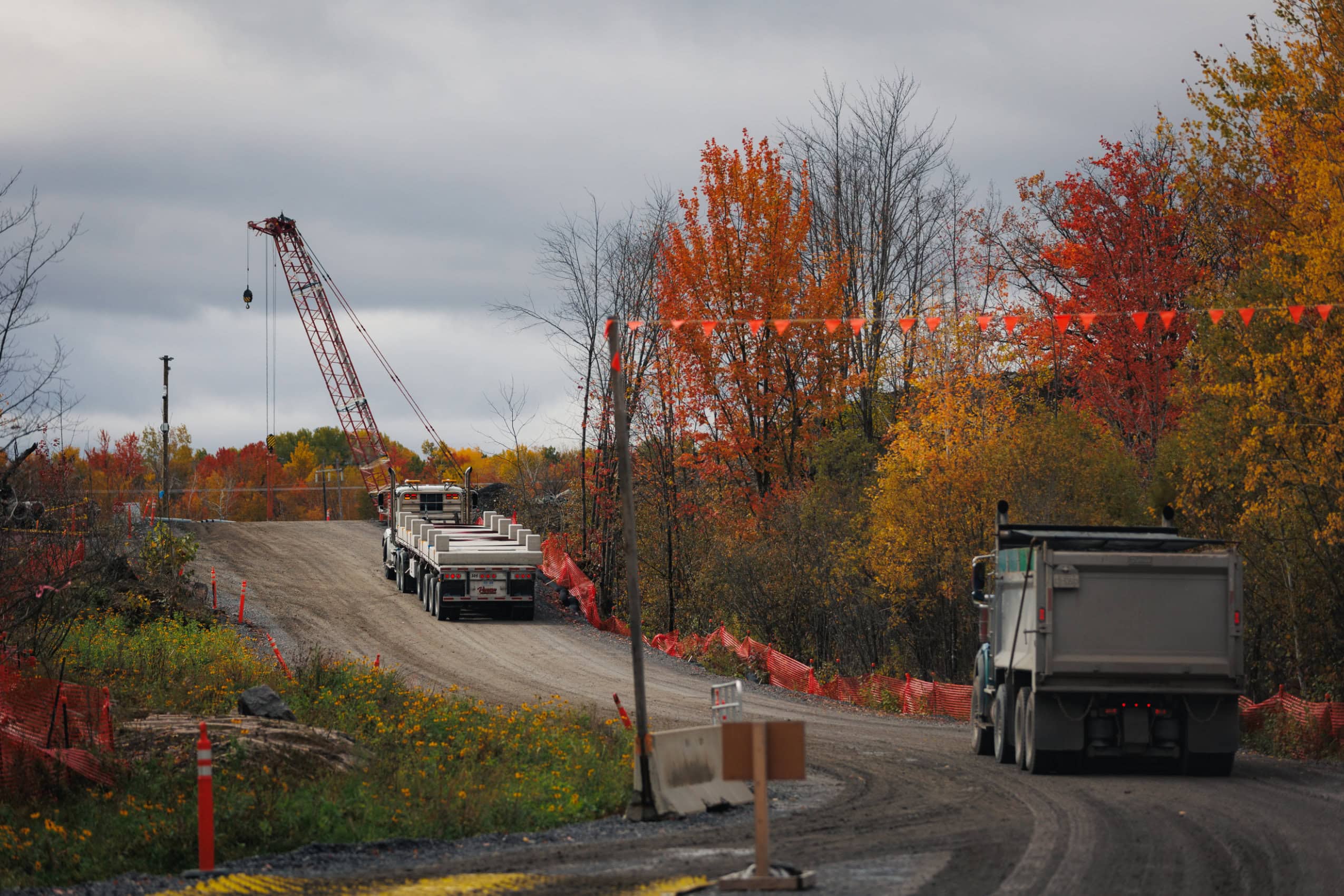
Among other safeguards, Fitzroy BESS is committing to installing an underground membrane to protect against groundwater contamination at the battery site.
In 2023, Lecce, Ontario’s energy minister, ordered the Crown corporation that manages Ontario’s electricity grid, the Independent Electricity System Operator, to move ahead with issuing contracts for new builds and expansions to the electricity system, including battery storage projects. The Crown corporation did so in 2024.
After the city of Ottawa proposed requiring a zoning by-law amendment for each battery project, Lecce wrote a letter to Ottawa Mayor Mark Sutcliffe in April 2025, calling on the city to approve the remaining development application requirements for the South March battery site’s construction.
He said municipalities that make the approval process for batteries “overly onerous or prohibitive” jeopardize economic growth as well as the province’s ability to meet electricity demand.
Sutcliffe has said the city had to respond to the government’s priority. While the province has enshrined the right of municipalities to be able to choose whether to support energy projects before they proceed, he said, the Ford government has also made it clear it wants to see these projects go forward.
“It puts us in an uncomfortable position of having to be a part of a process over which we don’t have the ultimate jurisdiction, and maybe in the long run, it would be better if these decisions were made at the provincial level,” he told reporters after Ottawa city council approved the site in June 2025.
Asked how he felt today, the mayor’s office sent a statement to The Narwhal that said the city is growing rapidly, with the population projected to increase by about 530,000 residents in 25 years, to 1.68 million people in 2051.
“We must prepare our city for the future and expanding our energy infrastructure is part of how we do that. If we reverse decisions on previously approved infrastructure, our challenge will only become greater,” Sutcliffe’s statement read.
The Narwhal requested comment from Lecce’s office on the opposition to the battery project and on the mayor’s comments about being in an uncomfortable position, but did not receive a response by publication time.
Lecce’s nod to electricity demand is real, at least according to businesses in Ottawa’s suburbs. Kelly Daize, executive director of the Kanata North Business Association, which represents the large technology park in Kanata North a few minutes’ drive from the Marchurst Road site, has told city councillors the tech park has had to turn away power-hungry companies because of lack of electricity capacity.

The Marchurst battery project is located about 25 kilometres west of Ottawa’s city centre, near rural farm fields and a serene natural area. It’s not the right location for an industrial energy facility, opponents say.
At the same time, the West Carleton Community Alliance is not alone in its opposition to the battery’s location. Local conservation groups like the Ottawa-Carleton Wildlife Centre and the Friends of the Carp Hills, as well as a nearby chapter of the Ontario Federation of Agriculture, all say the land should be left intact. The Carleton Landowners Association is also against it.
“This facility should be located within an industrial area, not in an area of environmental importance nor where it impacts our dwindling farmland,” the wildlife centre said in a statement posted on the website of Clarke Kelly, the Ottawa city councillor for West Carleton-March, the ward where the project is being built.
Kelly himself has been steadfastly opposed, telling city council his ward’s members “reached out in overwhelming numbers” to demonstrate they were uncomfortable with the project, and the city’s approval regardless of this has reinforced a feeling “that their voice doesn’t matter, and that the consultation process is meaningless.”
The Narwhal requested an interview with Kelly. His office acknowledged receiving the request and asked if it could provide a written response to questions, but did not offer a response by publication time.
Environmental impacts will be ‘relatively benign’: advocate
Keller-Herzog, of the pro-battery site Community Action for Environmental Sustainability, participated in a public event about the project and has been involved in public education events about the technology, from hosting a community dialogue event to posting a backgrounder for community members to use “to respond to misinformation that is being circulated” the about Marchurst battery storage site.
She said she agrees the risk of fire or environmental contamination are important issues to investigate and she understood people living in the rural area depend on groundwater, “so this is pretty serious.”
But as her organization began looking into battery technology, the safeguards being promised by the proponent and how the city’s fire department says it would handle an emergency, Keller-Herzog said she has come to feel the precautions being taken are “reasonable.”
She’s not arguing in favour of fast-tracking the project or taking away any requirements from the city’s approval process, rather she has advocated for all the various technical reports and site planning studies to be properly completed. Still, she said these types of technical hurdles shouldn’t amount to an impassable barrier to developing battery energy storage sites.
“This is a technology which is actually relatively benign,” she said. “It doesn’t make much noise. It doesn’t really have light pollution. Once it’s set up, it doesn’t have trucks coming and going. It doesn’t have air pollution.”

The battery storage project is a priority for the Ontario government. Ontario Energy Minister Stephen Lecce wrote to Ottawa Mayor Mark Sutcliffe in April 2025, calling on the city to swiftly approve the planning applications. City council voted to change Ottawa’s zoning rules to allow for battery project in late 2025.
The environmental impact study does recommend implementing measures to reduce noise, light pollution and human activity to wildlife. It said the site’s permanent lighting “has the potential to disorient birds during migration or attract bats to the area,” and noise from the project “may result in changes to habitat use” particularly for bats, birds and amphibians.
Fitzroy BESS said its precautionary measures, including environmental monitoring, will help mitigate impacts on wildlife and that it’s complying with all provincial environmental requirements. It says monitoring of the site will be done remotely through an “operations centre” and by third parties.
The project’s site plan also includes a proposal for 4.5-metre noise walls. The Narwhal asked Fitzroy BESS to confirm it was installing them but did not get a response to that question.
Meanwhile the impact study said traffic at and around the battery site “is anticipated to be minimal” and did not include a discussion about any anticipated greenhouse gas emissions.
‘What are you so afraid of?’: environmental community is split on the battery storage issue
For many, the project has come to represent a gruelling and at times acrimonious fight.
Keller-Herzog said her group’s visible public support for the battery storage project has led to some polarizing outcomes, as others in the environmental world have aligned against it.
“People who care about local agriculture, local habitat — those are normally our supporters,” she said. “So now we have a situation where that community is split. There’s been quite a lot of acrimony. … There’s a lot of supporters of the technology and the project that are saying, ‘Hey, I’m not going to stick out my head and be slammed and snarled at and derided.’ ”
Almost everyone The Narwhal spoke with for this story alluded to insulting or patronizing language being used at some point in the public consultation process, although they declined to name names.
And similar concerns stopped most locals from speaking on the record when The Narwhal visited the area in October, citing concerns they could be targeted for harassment by those with different opinions.

The battery project has polarized a community that often stands united. Some climate advocates and environmental organizations are expressing support for the project because of its emissions-cutting potential, while others express reservations over possible local ecological impacts.
Three people who live near the battery site, who answered their doors when The Narwhal knocked, expressed disappointment the project was moving ahead despite residents’ concerns. Two of them expressed visible consternation when asked to discuss what they thought of climate action advocates being in favour of the project.
One, who asked to remain anonymous, said when they attended a public meeting and expressed skepticism, they were belittled by another attendee. They recalled that person yelling at them, “What are you so afraid of?”
‘We need to get buttons made. We need to put signs up.’
Wayne Carroll, one of the owners of the land where the battery energy storage system is being built, is convinced of the project’s necessity, according to a letter to the editor published on The West Carleton Online news site. He wrote the battery site would use 10 acres “in the back corner” of his property that would be hidden from any homes or hiking trails.
The Narwhal reached out to Stantec Consulting which acted as the planning applicant on behalf of Carroll during the development process and which wrote the environmental impact study, asking to speak with Carroll, but did not hear back by publication time.
The West Carleton Community Alliance, which Spotswood said began as an online group chat among neighbours discussing local issues like bear sightings, began a letter-writing campaign a few days after Carroll’s letter was published, calling on the mayor and city councillors not to approve the battery site next to the wetlands.
News had just broken of a battery storage facility catching fire in Moss Landing, California, grabbing the group’s attention at a particularly sensitive moment.
“It was just after Moss Landing burned, and so everyone was like, ‘What the heck? We don’t want this,’ ” Spotswood said. “We all thought, ‘All we need to do is show them that we really don’t want this here. We need to get the petition. We need to get buttons made. We need to put signs up. We need to talk about this where we can in the media.’ ”

Catherine Leigh Spotswood is the chair of the West Carleton Community Alliance, a non-profit formed in opposition to the Marchurst battery project.
That same month Community Action for Environmental Sustainability hosted a “lunch and learn” event in the Kanata technology park. The event featured the release of an engineering report commissioned by the proponent.
In a presentation about the report posted online, the consultants extolled the climate and environmental benefits of battery sites, and said safety concerns can be helped with technology on site and good planning.
But the West Carleton Community Alliance said it didn’t feel like the event gave enough opportunity for attendees to ask questions. The group’s members left feeling more frustrated than ever.
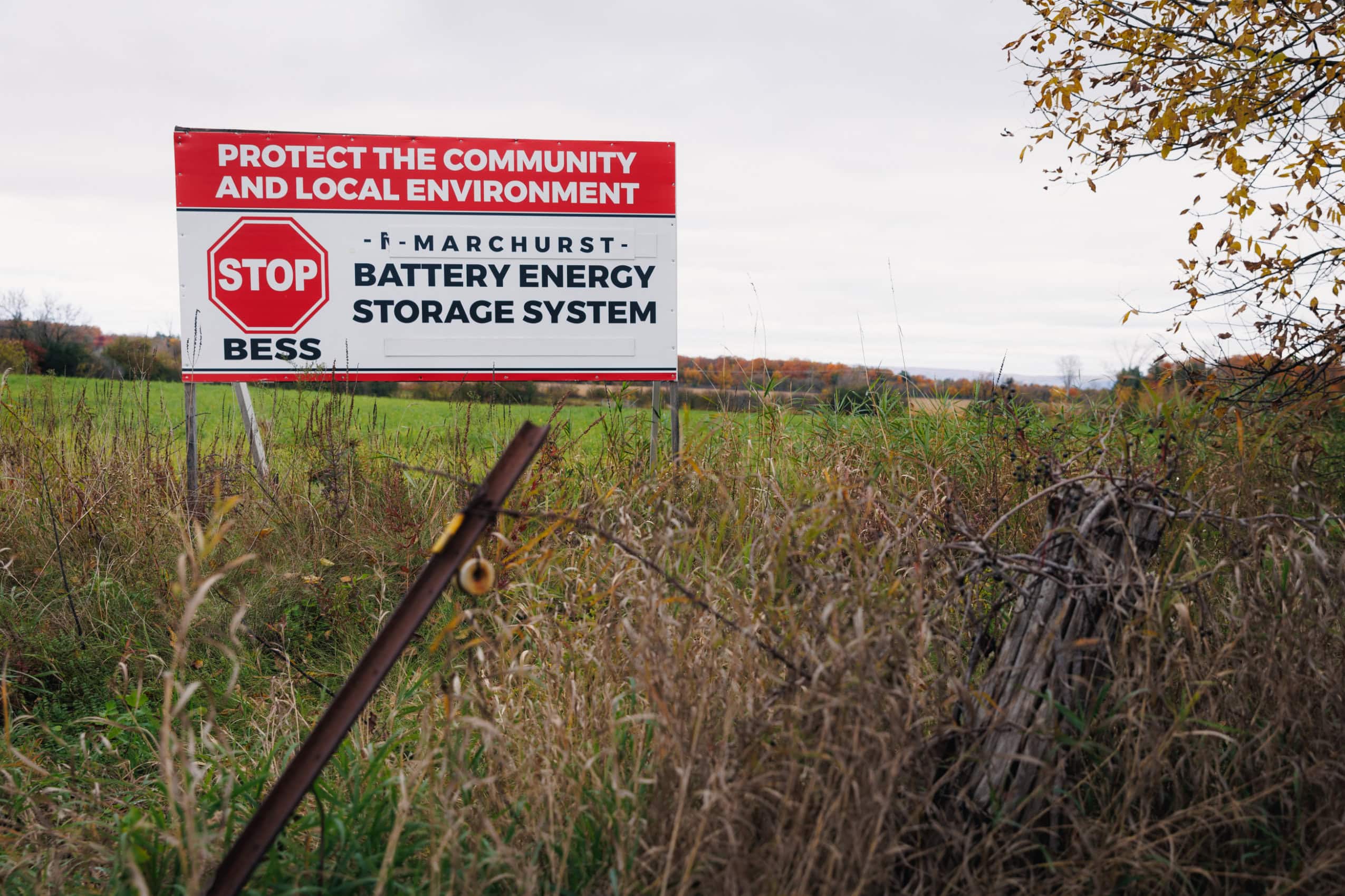
Opponents of the project are concerned that in an emergency situation the batteries might catch fire. While experts consider lithium-ion batteries to be relatively safe and unlikely to catch fire, it does happen sometimes.
The proponent next held an open house on the project in February 2025, where more than 200 people participated. The company said it made subject matter experts available to respond to any questions.
The West Carleton Community Alliance said most people who attended that open house arrived wearing “Stop Marchurst BESS” buttons on their jackets.
Locals The Narwhal spoke with who were against the battery site found that various additional consultations and engagements, from town halls to workshops, training sessions and one-on-one meetings with residents, to be either lacking in information or unable to fully address their concerns.
Fitzroy BESS believes the engagement process has been extensive and was done in good faith, said Houston at Syntax.
“We recognize that not everyone supports the project, and we respect that people hold different views. However, disagreement with a project’s outcome should not be confused with an absence of meaningful consultation,” Houston said.
The company expected to maintain “open communication with the community” and to continue addressing concerns throughout construction and operation.
A controversial approval process
Locals The Narwhal spoke to believe the city and proponents have glossed over their long-standing concerns, not only about the environment and public safety, but also about the way the project was approved by the city.
One persistent thorn in the side of residents is that the site along Marchurst Road was not the original proposed location.
The project was originally planned 13 kilometres north, near the community of Fitzroy Harbour (hence the name of the company, Fitzroy BESS). But in 2023, when Ottawa city council issued a municipal support resolution for the Trail Road battery site, it decided against issuing another one for the Fitzroy Harbour site.
Residents there raised familiar concerns — it was too close to rural agricultural lands, they said, and too risky for groundwater.
The Independent Electricity System Operator then awarded contracts in 2024 for 10 proposed projects across the province, including the Fitzroy Harbour proposal, after the minister had ordered the operator to move ahead with procuring new electricity sources.
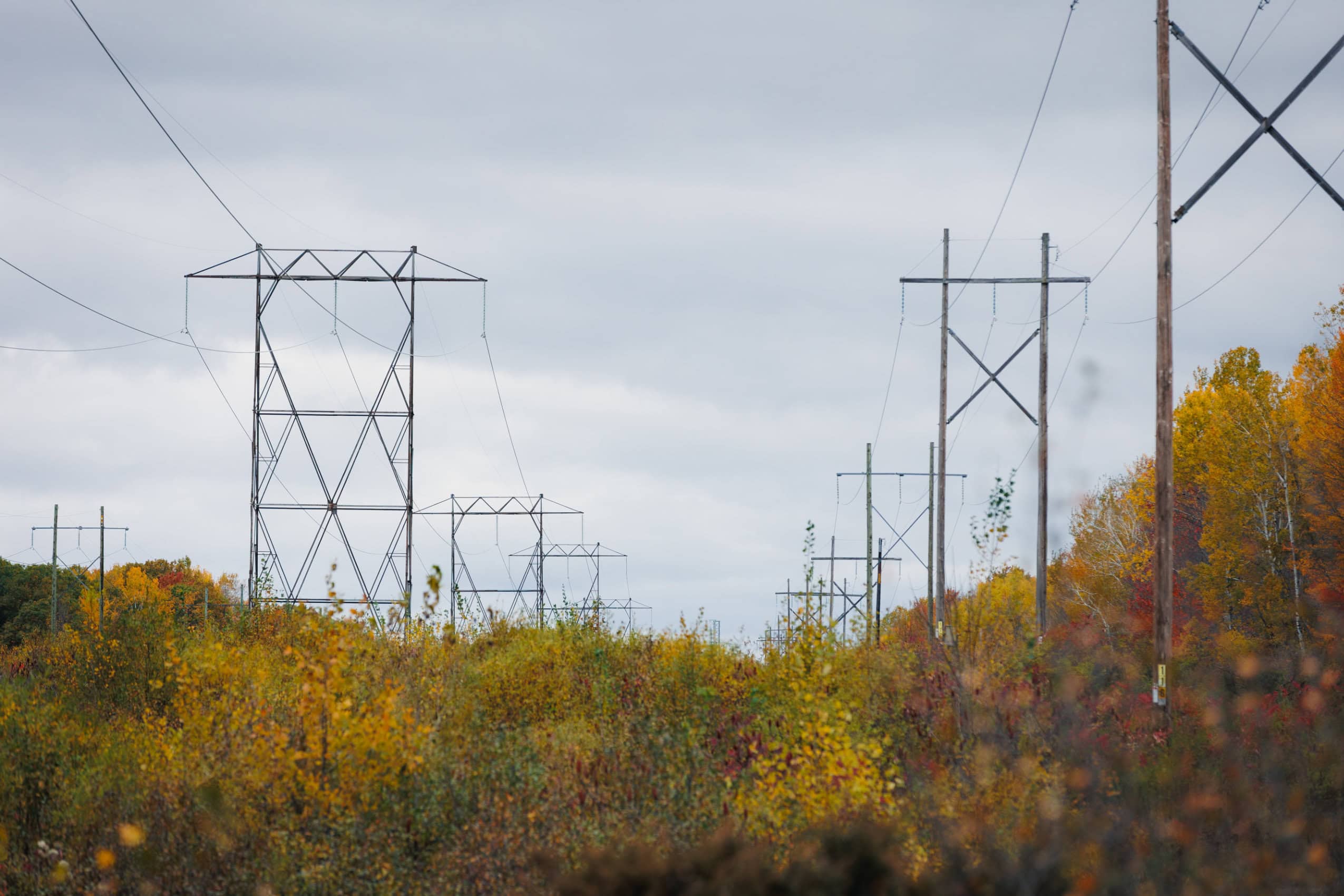
The site of the Marchurst battery project was chosen in part because of its proximity to these high-voltage transmission lines, which run along the back of the property.
So the proponents had to find a new location, eventually looking south and settling on the two adjacent pieces of private property totalling about 84 hectares near the Carp Hills where it’s being built today.
It was precisely because of “community feedback” against the original location that the company reconsidered and then identified another spot, Fitzroy BESS said.
It picked the new spot because it had “fewer neighbouring residences, minimal tree clearing, no wetlands within the selected site and direct access to existing high-voltage transmission infrastructure,” Houston said.
In May 2025, after the minister had asked the mayor to approve the site, city council agreed to suspend its own rules of procedure to bring the decision to support the project before its agriculture and rural affairs committee, and then the whole of city council.
The debate at committee lasted nearly 10 hours and most of the speakers who presented were opposed. But even though the committee voted to reject the proposal, city council voted 20-3 to pass a municipal support resolution for the project soon after.
Catherine Kitts, the city councillor for Orléans South-Navan, on the other side of the city, was one of the councillors who voted to move the project forward. She said during the council meeting that when councillors first heard of the development, “We didn’t know what we know now.”
“For the residents of West Carleton, it’s been a source of real fear and uncertainty, and I have great empathy for them. They’re being asked to accept a major change in land use that they could have never imagined quite literally in their backyards,” she said.
Still, after researching the topic and talking with the fire chief, she said, “I’m not sure we need to be as apprehensive about battery energy storage as we have been.”
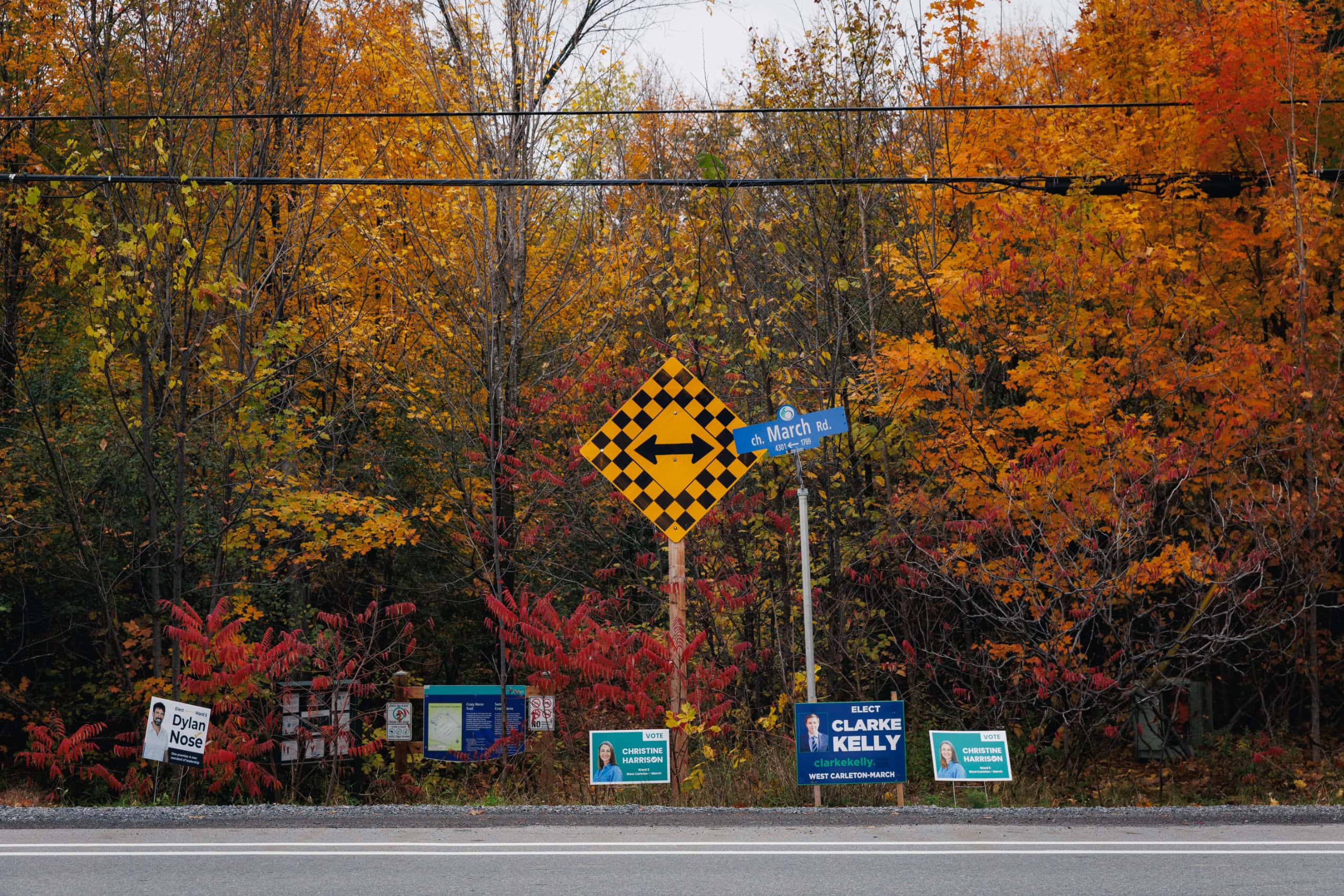
Clarke Kelly, a steadfast opponent of the battery project, was re-elected as councillor of the West Carleton-March ward in October 2026.
Rideau-Jock ward city councillor David Brown, who was one of the three councillors to vote against approving it, told council he felt the city was caught off-guard by the provincial electricity operator when it issued a contract for a location the city had already rejected.
“I place the concern with the process squarely with the province, and the [Independent Electricity System Operator],” he said at the meeting. “The goalposts were moved.”
Abby Dancey, a spokesperson for the Independent Electricity System Operator, declined to comment on “specific discussions or decisions” between the City of Ottawa and the battery site proponents.
In an emailed response to questions from The Narwhal, Dancey said the organization has procured “significant amounts of battery energy storage over the last several years” to meet Ontario’s growing electricity demand and strengthen grid reliability and flexibility.
The operator’s process to obtain municipal support “encourages local engagement,” Dancey added, which provides opportunities to “identify solutions while respecting local priorities.”
For Spotswood, the story is a cautionary tale about how difficult it can be for communities to stop projects they don’t like in their backyards.
“I’m hoping that what people get out of the story is that in order to try and slow the process down, you have to come forward and state your piece,” she said.
“The important thing to me is for people to connect with their neighbourhood all the time.”
The Narwhal’s reporters are telling environment stories you won’t read about anywhere else. Stay in the loop by signing up for our free weekly dose of independent journalism.
From The Narwhal | News on Climate Change, Environmental Issues in Canada via This RSS Feed.