

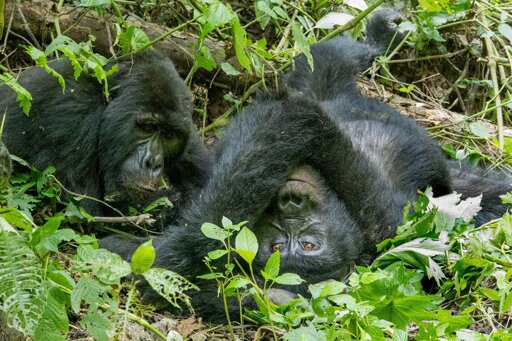
In Rwanda’s Volcanoes National Park, researchers found little sign that losing a parent, growing up with few companions of the same age or facing other early hardships left surviving mountain gorillas socially isolated. Males that had experienced more types of hardship before age 6 later spent more time near other males than their peers that had fewer such experiences. Among females still living in their birth groups, those that faced more hardships also spent more time near other females.
From Biology News - Evolution, Cell theory, Gene theory, Microbiology, Biotechnology via This RSS Feed.
You must log in or register to comment.