

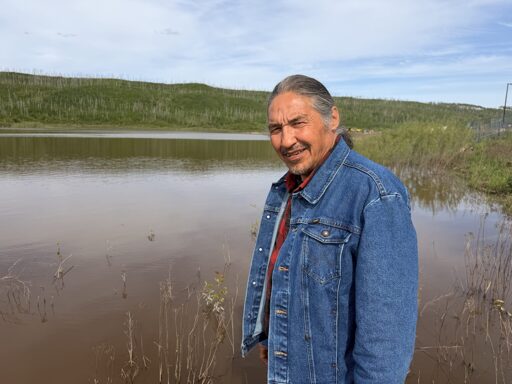
Suncor, Canada’s second-largest oil company, wants to release treated wastewater from mining oil in Alberta’s tar sands into a drinking water source for the community of Fort Chipewyan. Investigative reporter Leana Hosea visited the community to learn more. She joins the Mongabay Newscast this week to detail what she found. “This story is not about pro-oil and anti-oil. It’s about waste, not wanting toxic waste, which they don’t know how well it’s going to be treated,” Hosea says. “It’s never happened before. Being released into the Athabasca River, which flows into Lake Athabasca, which is where [the community] all drink from. And because treatment is difficult, it’s uncertain whether they’re going to be able to clean the water to those standards.” While Suncor never responded to Hosea’s request for an interview, Chief Allan Adam of the Athabasca Chipewyan First Nation was told the treated wastewater, or tailings, was “too corrosive” to be used on the oil refinery machinery. While the provincial government of Alberta backs the strategy to release the tailings without an environmental impact assessment, the federal government of Canada will have the final say. In August 2026, Chief Adam wrote to the federal government, urging it to intervene. “When I ran for chief, I was given a mandate of what I needed to get accomplished. I was not given the mandate to agree to a treat and release of a tailings pond, which is deadly toxic. No, we don’t want it,” he told Hosea. Independently, the federal government…This article was originally published on Mongabay
From Conservation news via This RSS Feed.