

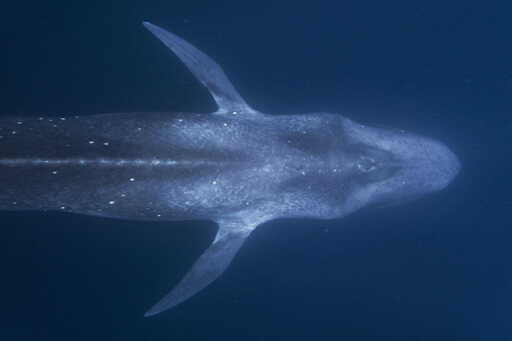
DILI, Timor-Leste — As the annual whale migration gets into full swing in Timor-Leste, conservationists are raising concerns about increasingly aggressive tourist encounters with the world’s largest animals, despite new guidelines designed to protect them. Whale tourism is booming in a country whose waters are known as a “superhighway” for marine mammals. Migrating pygmy blue whales (Balaenoptera musculus brevicauda) are the star attraction for tourists seeking the experience of a lifetime. Though haze from wildfires in neighboring Indonesia made spotting whale spouts difficult in the earlier part of the season, industry-watchers have noticed a marked increase in the number of operators on the water this year. By the end of October, however, fewer whales had passed through the Ombai-Wetar Strait, which lies off the northern coast of Timor-Leste. This is likely because El Niño and the positive Indian Ocean Dipole have brought cooler waters in the region, delaying the migration of the whales, says cetacean ecologist Professor Karen Edyvane, who, in the past decade, has monitored migrating pygmy blue whales in Timor-Leste’s waters. This has meant more intense competition among whale tour operators to deliver experiences for customers, who pay $250-350 a day for the chance to swim with one of the few hundred pygmy blue whales that pass through each year. Industry-watchers have noticed cowboyish practices in the busiest season yet. Boats cutting across whales’ paths, operators pursuing mothers with calves, too many swimmers in the water at once — one tourist was taken out to swim with a…This article was originally published on Mongabay
From Conservation news via This RSS Feed.