

This article by Carlos Calles appears in the November 2026 issue of Let’s Talk About Migration (Hablemos de Migración), a magazine on migration issues published by the Frente Amplio de Mexicanos y Migrantes. Read and download the full November issue.

“The nightmare in Gaza is more than a humanitarian crisis; it is a crisis of humanity.”
— António Guterres, Secretary-General of the United Nations
What is happening in Gaza cannot be ignored; these are crimes against humanity being perpetrated by Zionism, a true genocide. And although its main architect has been taken to the UN podium to defend his position, it is undeniable that Milekowsky is a true murderer and must pay for his crimes.
Israel is launching a brutal offensive against Palestine, in the Gaza Strip and in other nations. This is why several countries have filed charges against this individual before the International Criminal Court for his arrest. Perhaps the most prominent is Turkey, since Milekowsky will be arrested if he sets foot on Turkish soil.
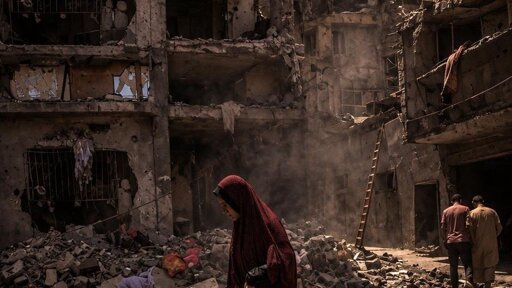
A brutal humanitarian crisis, murders, famine, and veritable extermination camps in the year 2026 are irrefutable proof that Israel is a genocidal state, nothing more, nothing less.
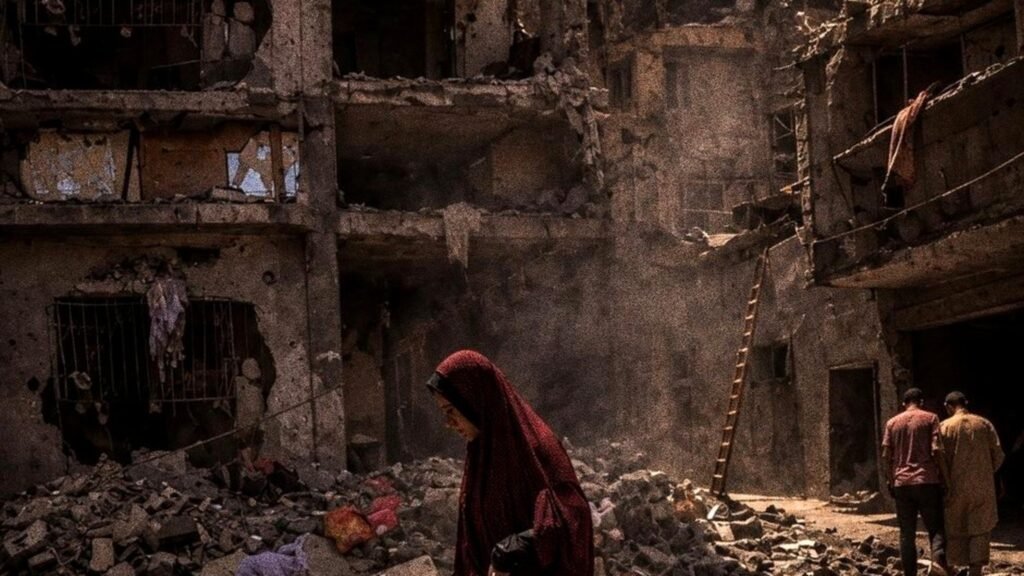
The impact of the conflict on the civilian population is reflected in record-breaking figures for victimization. At the close of the three-year assessment window in October 2026, the accumulated records confirm more than 73,000 deaths and over 170,000 injuries in the Gaza Strip, having surpassed the initial figures of 41,000 and 42,000 deaths documented during the first year of hostilities.
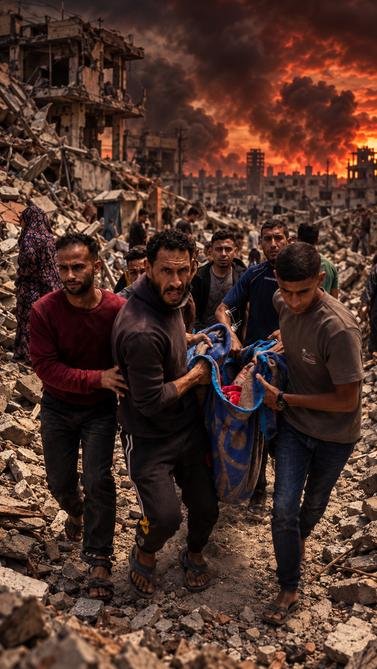
Illustration: Let’s Talk About Migration, November 2026
Several technical reports presented to the United Nations Security Council confirm that nearly 70% of the fatalities are women and children. This pattern is explained by the continued use of heavy bombing and armed drones in densely populated urban areas and near healthcare facilities.
Among the documented indicators and factual data, a cumulative increase of over 41,000, 42,000, and 73,000 deaths in the general population between 2023 and 2026 stands out, as well as a total number of injuries ranging from over 96,000 to over 170,000. Furthermore, children and women constitute approximately 70% of the total fatalities. Regarding PRCS medical personnel, 51 members were killed (31 on duty, of which 29 occurred in Gaza and 2 in the West Bank, and 20 off duty), in addition to 6 MDA first responders killed during the initial emergency deployments. Finally, regarding emergency care in Rafah, in May 2025 more than 3,400 patients were treated in the context of 21 mass casualty events due to fire and shrapnel.
The work of rescue personnel has been carried out under extremely dangerous conditions. The Palestinian Red Crescent Society (PRCS) reports 51 members killed, 31 of whom died in the line of duty. Similarly, Magen David Adom (MDA) recorded the loss of 6 rescuers in the initial hours of the response to the October 2023 attack.
By May 2025, the establishment of new food distribution points led to spikes in mass trauma: the International Committee of the Red Cross (ICRC) Field Hospital in Rafah treated more than 3,400 people in that month alone following 21 violent incidents involving firearms and explosions in the aid access lines.
Mass Displacement and Destruction of Civil Infrastructure
More than 90% of Gaza’s population, between 1.8 and 2 million people, has been forcibly displaced, in many cases repeatedly, up to six times. Among the most significant displacements was the evacuation of one million people from the Rafah area, which began in May 2024.
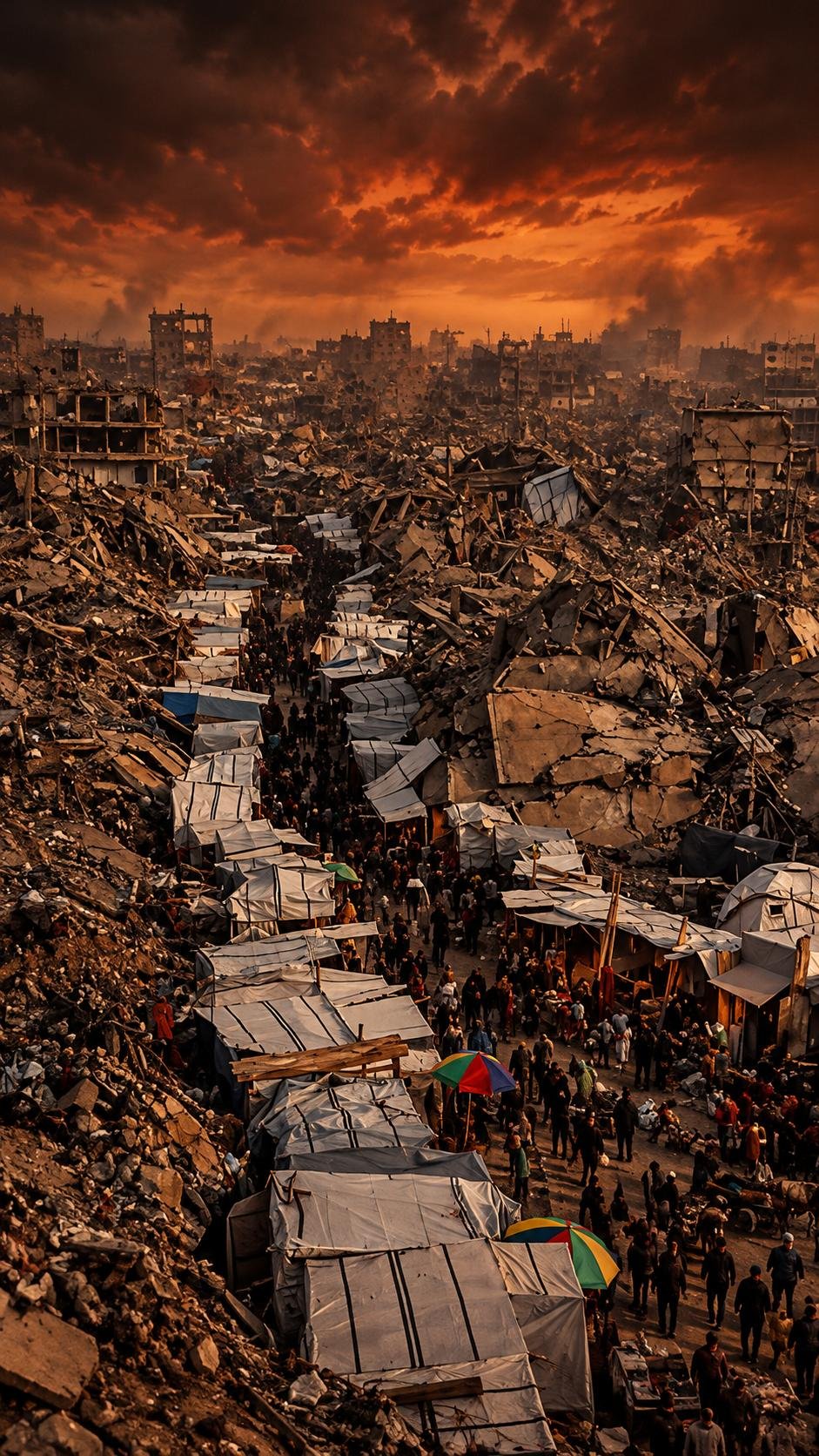
Illustration: Let’s Talk About Migration, November 2026
Living conditions at the end of 2026 remain precarious. Among the main difficulties is the accelerated deterioration of shelters, where temporary tents completely degrade after six months exposed to the elements, forcing the use of flour sacks as barriers against winter flooding. Adding to this is the blockade of materials, as Israeli authorities maintain restrictions on the entry of basic construction supplies such as cement, wood, and metal sheets. Furthermore, a severe impact is evident in the West Bank, where international organizations have issued warnings following the displacement of 36,000 people, highlighting the risk of permanent demographic changes.
The Socioeconomic and Infrastructural Impact
The scale of military operations has irreversibly altered the urban geography of the territory: an estimated 23 million tons of rubble are scattered throughout the Gaza Strip; assessments by multilateral agencies put the capital needed for physical and institutional reconstruction at $70 billion; the United Nations Development Programme (UNDP) points to a 69-year setback in human development indicators, along with a 35.1% drop in GDP in 2024; and nearly 600 attacks against health infrastructure have been recorded, leaving key complexes such as Al-Shifa Hospital out of service.
Food Insecurity and the Declaration of Famine
The ongoing blockade transformed supply difficulties into a widespread nutritional crisis. During the acute phase between 2024 and 2025, 100% of the population was affected by acute food insecurity, with child deaths from malnutrition recorded from March 2024 onward. During this period, less than 50% of missions to the north were approved, and a total blockade of deliveries was in place for 11 weeks. This situation led to the formal declaration of famine in the Gaza Governorate (Gaza City) by the Integrated Food Security Phase Classification (IPC) on August 22, 2025.
By 2026, the access crisis was exacerbated by a severe international funding shortfall. The World Food Programme’s (WFP) budget was cut by more than half, forcing it to reduce its coverage by a third and decrease hot meals from 250,000 to 150,000 per day. This reduction left 500,000 people without food assistance and 200,000 in need of urgent nutritional intervention. UN special rapporteurs and experts have described these measures as the use of hunger as a weapon of war.
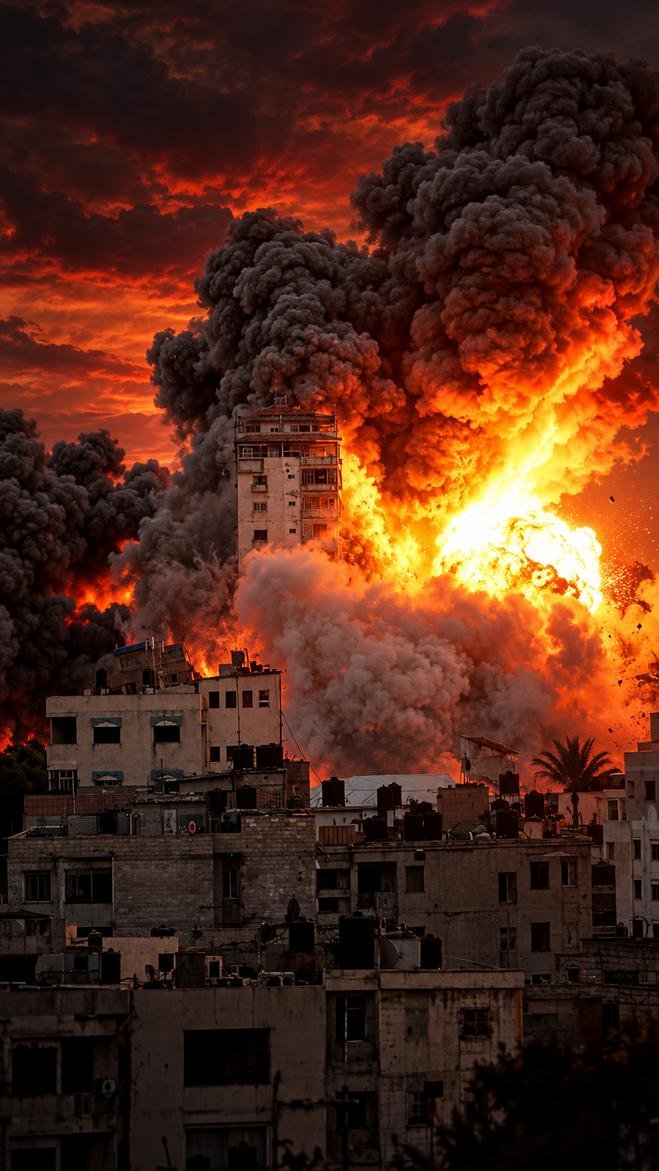
Illustration: Let’s Talk About Migration, November 2026
The International Judicial Front: Lawsuits and Rulings
The legal dimension of the crisis has led to proceedings of global scope before the International Court of Justice (ICJ) and various multilateral organizations.
In the context of South Africa’s case against Israel, initiated in January 2024, the ICJ ordered binding provisional measures to demand the prevention of acts of genocide and to guarantee access to basic assistance. Also, in March 2024, Nicaragua filed a case against Germany for alleged complicity in violations of the Genocide Convention through military supplies. Subsequently, in its mandate on humanitarian aid in October 2025, the ICJ determined that Israel is legally obligated to allow the unconditional entry of UN-coordinated aid. For their part, various reports by UN experts, including those prepared by Special Rapporteur Francesca Albanese (2024, 2026) and the Independent International Commission of Inquiry (October 2024), concluded that there were reasonable grounds to suspect genocidal acts and the crime against humanity of “extermination.”
The timeline of international intervention began on December 29, 2023, when South Africa initiated genocide proceedings before the International Court of Justice (ICJ) against Israel. The court issued its first binding provisional measures on January 26, 2024. Subsequently, on March 25, 2024, the Security Council demanded an immediate ceasefire during Ramadan. On April 23, 2024, the Office of the United Nations High Commissioner for Human Rights (OHCHR) requested investigations following the discovery of mass graves in hospitals, and on October 10, 2024, the UN Commission on Human Rights formally declared the commission of extermination. Finally, on October 22, 2025, the ICJ issued a mandate demanding the unconditional opening of aid.
Despite the ceasefire agreement reached on October 10, 2025 —which facilitated the release and handover of 1,808 Palestinian detainees through the ICRC—, operational stability has not been consolidated.
By the end of 2026, United Nations representatives warn that the risk of a full-scale resumption of fighting is high. In the year following the ceasefire, approximately 1,500 additional deaths were recorded, including 340 children. The stalemate in disarmament, troop withdrawal, and the establishment of a unified administration has frozen reconstruction plans, highlighting a critical gap between the mandates of international justice and the reality on the ground.
-
Analysis | Let’s Talk About Migration
Gaza: The Fragile Anatomy of a Human and International Crisis
November 20, 2026November 11, 2026
An overview of the Gaza crisis: casualties, mass displacement, famine, destroyed infrastructure and the international legal cases against Israel.
-

Mexico-China: Hope
November 20, 2026
Closer ties with China can help Mexico “resist the pressures, extortion, abuses and outrages that characterize Washington,” argues La Jornada.
-

Sheinbaum Dazzles in Shenzhen – Soberanía 132
November 19, 2026
Sheinbaum’s APEC trip to Shenzhen and a new era in Mexico-China relations, 17.3 million Mexicans lifted out of poverty, and a takedown of The Baffler’s take on Mexico’s “militarization.”
The post Gaza: The Fragile Anatomy of a Human and International Crisis appeared first on Mexico Solidarity Media.
From Mexico Solidarity Media via This RSS Feed.