

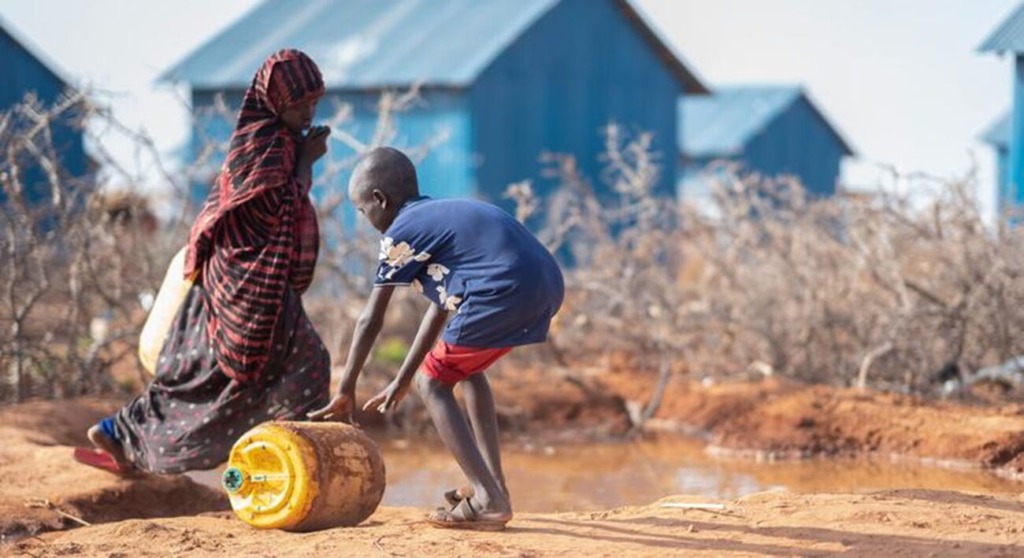
Some 30.3 million people in eleven countries face risks associated with this climate phenomenon.
On Friday, the United Nations (UN) warned that more than 30 million people in southern Africa could be affected by El Niño, whose intensity this year was among the highest on record.
RELATED: United Nations Reports 907 Humanitarian Workers Attacked in 2025
According to the United Nations Office for the Coordination of Humanitarian Affairs (OCHA), some 30.3 million people in eleven countries face risks associated with this climate phenomenon, especially in Malawi, Mozambique, Madagascar, and Zimbabwe.
The organization also warned that some 11 million people in the region already suffer from acute food insecurity, while the financial resources available to respond to the emergency remain insufficient.
OCHA also expressed concern about the persistence of cholera cases in the region. Although the major outbreak recorded between 2024 and 2025 has subsided, there are still around 19,000 active cases.
⚠️ A major global food crisis is looming.
Shipping disruptions and a severe El Niño are pushing up the costs of food, fuel and transport. In 2027, WFP plans to prioritize assistance for 91 million people facing the most severe hunger.
🔗 https://t.co/ZxstFmlXGP pic.twitter.com/Il5EiahBon
— World Food Programme (@WFP) November 20, 2026
Among the most vulnerable groups are 10.9 million people facing food insecurity, 638,000 children suffering from acute malnutrition, 664,000 internally displaced persons, and 569,000 refugees and asylum seekers.
Experts predict that temperatures will remain above normal levels across much of southern Africa, increasing risks to agriculture, livestock, water resources, and the livelihoods of millions of families.
Furthermore, El Niño-related droughts could reach their peak intensity between November and December, although their effects could extend into early 2027, exacerbating food and health problems in the region.
The UN noted that nearly 60% of the funds requested to address the emergency, estimated at US$1.1 billion, remain unspent. This insufficient funding limits preventive and preparedness actions against the anticipated impacts.
Cape Verde’s President Jose Maria Neves won a second five-year term on Sunday after securing nearly 64% of the vote in the first round, defeating five challengers in a race marked by low voter turnout. 🇨🇻🗳️📢
Speaking to supporters in the capital, Praia, the 66-year-old… pic.twitter.com/8T8OAwIY7z
— teleSUR English (@telesurenglish) November 16, 2026
teleSUR: JP
Source: EFE
From teleSUR English via This RSS Feed.