

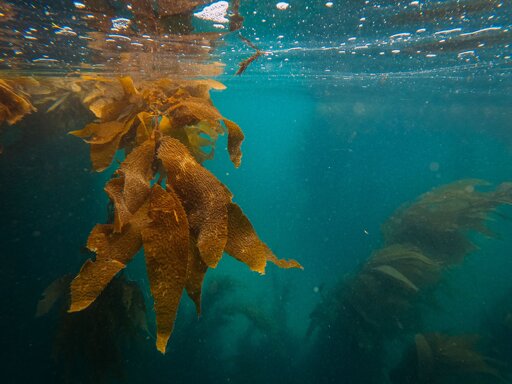
A tangle of long, caramel-colored seaweed. That’s what botanist A.H.S. Lucas found in 1935 while conducting research near Lord Howe Island, a World Heritage–listed site known for its unique biodiversity. After collecting some large adult specimens of this previously unidentified seaweed, Lucas named it Sargassum howeanum.
From Biology News - Evolution, Cell theory, Gene theory, Microbiology, Biotechnology via This RSS Feed.
You must log in or register to comment.