

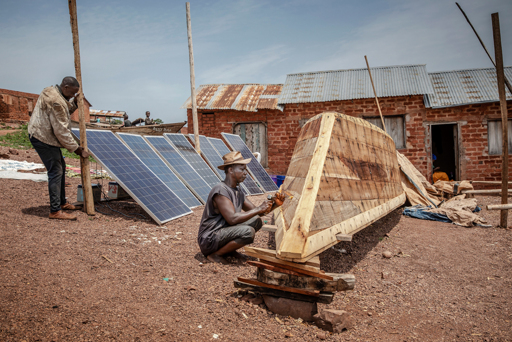
As the 2026 edition of the annual U.N. Climate Change Conference reaches its conclusion in Antalya, Türkiye, on Nov. 20, African governments are arguing for increased financial and technical support to respond to climate change. Top priorities include more money for protection of forests and other landscapes, funding to help vulnerable communities and economies adapt to a changed climate, and financial backing for a just energy transition for fossil-fuel producing and consuming economies on the continent. Access to energy and what role remains for fossil fuels are contested topics, with many African governments planning continued reliance on coal, diesel and natural gas for transport, industry and electricity generation. Jane Mbabazi Byaruhanga, responsible for environmental and social affairs at Uganda’s Petroleum Authority, is among the thousands attending the summit. Africa’s households, schools, health centers and businesses lack access to affordable, reliable energy, she told Mongabay in a phone interview from Antalya. Two in five Ugandans lacked access to electricity from the national grid in 2025, according to government records; in rural areas, access was 43% of the population. This situation is mirrored across the continent: The International Energy Agency estimates that nearly 600 million of the continent’s 1.5 billion inhabitants do not have access to electricity. “Africa, to begin with, needs reliable and affordable energy to enhance their development, and we should always aim at the continent to have energy that is produced and also used responsibly,” she said. Byaruhanga said that despite the record of social and environmental harm left…This article was originally published on Mongabay
From Conservation news via This RSS Feed.