

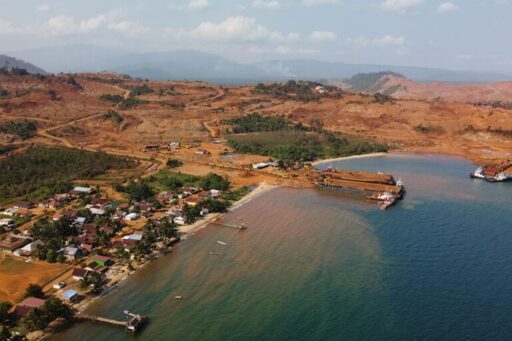
Two companies approved for trading nickel on the London Metal Exchange (LME) could be linked to supply chains that have cleared primary rainforest in Indonesia, according to a report published by the NGO Environmental Investigation Agency (EIA). The NGO investigated two LME-approved Indonesian refiners – PT CNGR Ding Xing and PT Eternal Nickel Industry (ENI) – and traced each of their corporate ownerships to mines driving extensive deforestation across Sulawesi and the North Maluku islands. The investigation claims that the companies’ supply chains were possibly linked to clearing up to 7,270 hectares (17,965 acres) of primary rainforest in Indonesia. Current LME rules require metal brands to comply with the OECD’s Due Diligence Guidelines, which provide government-backed management recommendations for “responsible supply chains of all minerals”, including their refined metal derivatives. However, the guidelines lack binding environmental criteria for deforestation, biodiversity loss or Indigenous land rights, according to the EIA. “The LME has put in place solid requirements on metal sellers to address supply chain issues like conflict financing and child labour,” said Colin Robertson, EIA Forests Campaign lead for mining, told Mongabay over email. “Deforestation caused by mining is a growing problem and it seems to be a blind spot for the LME and for the mining and metals sector in general.” Neither company publicly discloses its mine suppliers under current LMEpassport rules, the digital platform for recording and sharing information about the physical metal that enters the LME system. However, corporate disclosures cited by EIA link ENI’s supply chain…This article was originally published on Mongabay
From Conservation news via This RSS Feed.