

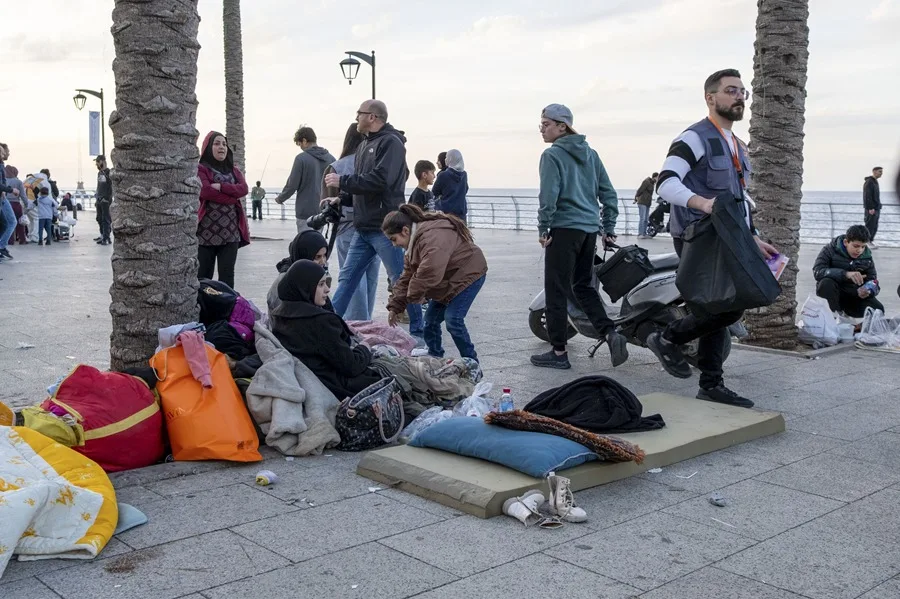
About 300,000 people remain displaced in Lebanon despite the ceasefire with Israel, with more than 11,000 still living in collective shelters and humanitarian needs described as very high, the UN High Commissioner for Refugees reported, citing agency spokesman Babar Baloch.
Baloch said the displacement crisis has not ended and that many families cannot return home because of destroyed housing, accumulated rubble and access difficulties in certain localities. During the most intense period of fighting, about 1.2 million people were displaced within the country, of whom some 970,000 later returned to their homes or nearby areas. More than 11,000 people remain in collective shelters, over a hundred of which are still operational.
RELATED: Lebanon Reports $512 Million in Environmental Damage from Israeli Attacks
The spokesman stressed that communities in southern Lebanon were especially affected and that their needs remain considerable, with many families hoping to return but finding destroyed homes or areas that are difficult to reach.
UNHCR and its partners, in coordination with local authorities, have assisted more than half a million people through financial support, improvements to collective shelter conditions and the delivery of official documentation, among other services. Baloch stressed that returns must be sustainable and require support for families whose homes were destroyed or left uninhabitable.
Peacekeepers from 45 countries remain deployed across @UNIFIL_ positions in south Lebanon, carrying out their mandated tasks until 31 December 2026.
They continue to patrol the Blue Line, report violations of Security Council Resolution 1701, and actively support communities. pic.twitter.com/lNFhiP3nJl
— UN Peacekeeping (@UNPeacekeeping) November 19, 2026
Israel intensified its attacks on Lebanon on March 2 and occupied towns in the south, with the Lebanese government reporting at the time that more than one million people had been displaced. A ceasefire took effect on April 17 and was later extended, though Lebanese authorities have denounced continued attacks and Israeli occupation. Lebanon’s Ministry of Health reported on October 12 that at least 4,390 people had died from the aggressions that began on March 2.
From teleSUR English via This RSS Feed.