

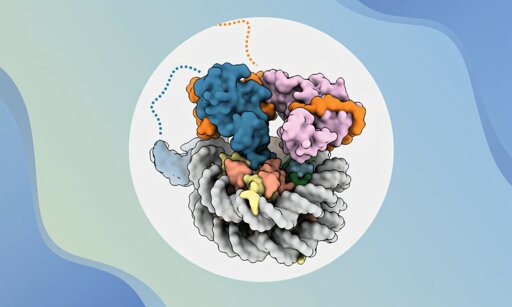
Tiny chemical marks on histones—the proteins that package our DNA—can profoundly influence gene activity without changing the underlying DNA sequence. One such mark, known as histone acetylation, plays a crucial role in regulating gene expression and is frequently disrupted in diseases such as cancer. Researchers, however, wondered how the enzymes responsible for adding these marks know exactly where to place them.
From Biology News - Evolution, Cell theory, Gene theory, Microbiology, Biotechnology via This RSS Feed.
You must log in or register to comment.