

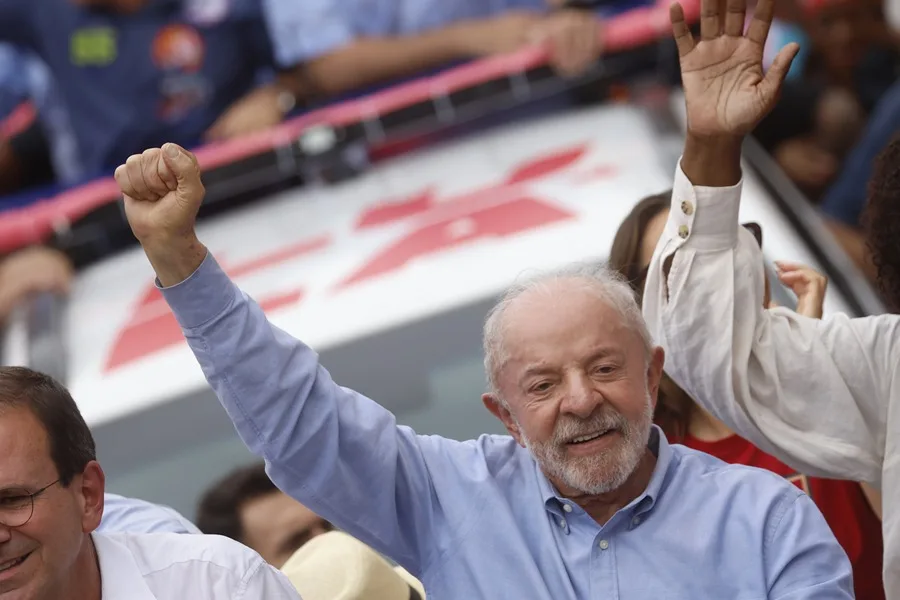
President Luiz Inácio Lula da Silva is scheduled to sign a decree on Thursday, regulating Brazil’s new 5×2 work schedule, which provides five workdays and two paid weekly rest days and is set to take effect nationwide on December 16, according to Labor and Employment Minister Luiz Marinho.
The signing is scheduled for 9:00 a.m. local time at the Planalto Palace in a ceremony open to the press. Marinho said Lula made suggestions and adjustments to the decree’s content but did not disclose the changes, explaining that the goal is to prevent distorted interpretations and give workers and employers clarity on implementation conditions. He added that publication on Thursday will help guide both sides in the negotiations needed before the December 16 start.
RELATED: Brazil Trade Diversification: 20% China Growth Cuts US Reliance
The regulation follows Congress’s approval of the end of the 6×1 schedule—six workdays for one rest day. Backed by lawmakers from both the government base and the opposition, the measure guarantees two paid rest days per week without salary reduction and reduces the maximum weekly workload from 44 to 40 hours. A 14-month transition will first move the workload to 42 weekly hours before the definitive 40-hour limit, with a maximum of eight hours per day.
🇧🇷 Brazil takes a step toward a shorter workweek!
Brazil’s Senate has approved a constitutional amendment aimed at establishing a 40-hour workweek, turning the fight for more time to rest into a major labor rights debate.
The proposal could mark a significant change for… pic.twitter.com/B4BpQiJPIB
— teleSUR English (@telesurenglish) October 15, 2026
The new rules are also being litigated at the Supreme Federal Court, where cases on the transition rules are under rapporteur Justice Flávio Dino. Two days ago, Dino ordered that the cases proceed directly to a definitive ruling on the merits rather than being limited to provisional measures.
Worker organizations welcomed the change, citing potential benefits such as more time for family life, studies and personal activities. With the decree, the government aims to set guidelines for workers and employers and ease negotiations to adapt labor relations to the new model.
From teleSUR English via This RSS Feed.