

Pauly Denetclaw
ICT
There were over 100 Native American, Alaska Native and Native Hawaiian women elected to public office during these midterm elections, according to a database managed by ICT and Advance Native Political Leadership. Indigenous women are winning at a higher number than Indigenous men, just 79 men were elected during the midterms.
“Native women are running at higher rates, they’re also winning at higher rates and they’re defining the policy preferences that our communities need in order to move forward,” Harvill told ICT. “I think that’s a really beautiful thing to celebrate.”
Having two Native women elected to the U.S. Senate has brought the country closer to representational parity along with the rest of the incoming Indigenous congressional group. The 120th Congress will have seven Indigenous members, across two chambers. To have representational parity in Congress, there needs to be at least 18 voting Indigenous members. In the House, there needs to be at least 15 and three in the Senate.
American Indian, Alaska Native and Native Hawaiians make up 3.4 percent of the population, according to the U.S. Census. Currently, they make up .07 percent of elected officials in public office, according to data by Advance Native Political Leadership. To gain representational parity in local, state and national public offices, 17,000 Indigenous people need to be elected nationally, said Harvill. That’s out of the approximately 519,000 elected offices nationwide.
The parity numbers were calculated using the 2020 U.S. Census data for American Indian, Alaska Native and Native Hawaiians, alone and in combination.
Every election since 2018, ICT has managed a database of Indigenous candidates who run for public office. In collaboration with Advance Native Political Leadership, the 2026 database tracked 365 Indigenous candidates from 99 state and federally recognized tribes in the United States, and a few from nations in Canada and Mexico.
Of those candidates, 226 Indigenous candidates made it onto an October or November ballot, or past the primary elections. For example, Alaska held elections for rural school boards on Oct. 6, and some municipalities in the state held local elections on Oct. 20. In Oklahoma, candidates who run completely unopposed in the primary elections are automatically declared the winner and that race doesn’t appear on general election ballots.
The 2026 midterm elections were filled with historic firsts, from an increase in Two-Spirit and LGBTQ+ Indigenous candidates to the first Native American woman elected as governor.
“The other piece that I want to celebrate is the explosion of queer and Two Spirit leaders who are representing us at all levels of government as well,” Harvill said. “Folks like Liish Koslowski in Minnesota, who has served in the Minnesota state legislature for the last two cycles.”
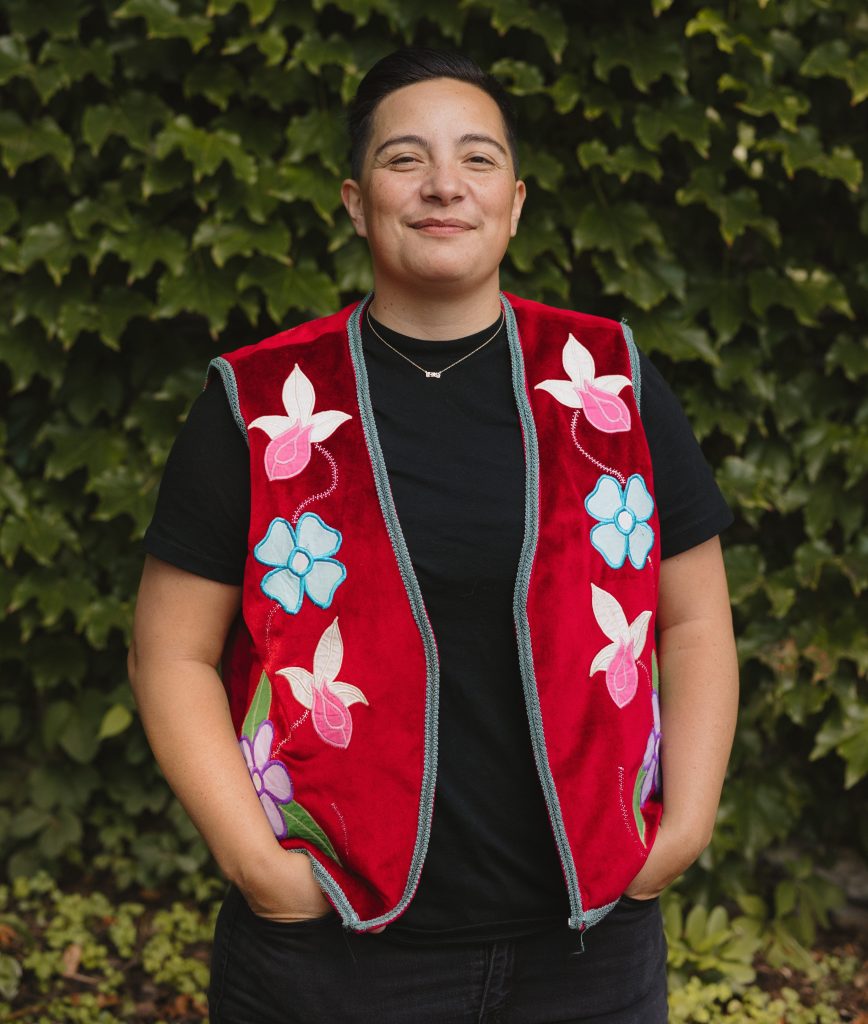
Liish Kozlowski (Courtesy, Violet Cristina Photography)
There were 12 candidates who identified as either Two Spirit, Non-Binary, genderqueer or genderfluid. During the primary elections, seven moved forward to the general election. Ultimately, six folks were elected.
Including Indigenous cisgender women and men, Two-Spirit people, and Non-Binary folks, more than 180 Indigenous people were elected to public offices at the local, state and federal level, said Harvill.
Native power players
The top races were for governor, lieutenant governor, U.S. Senate and U.S. House. In total, 15 Indigenous candidates ran in one of those top races.
Former Interior Secretary and former U.S. House member Deb Haaland became governor-elect of New Mexico and will take office on January 1, 2027. The Democratic candidate from the Pueblo of Laguna won over Republican candidate Gregg Hull. Haaland became the first known Native American woman elected as governor in the history of the country. She chose Stephanie Garcia Richards as her lieutenant governor.
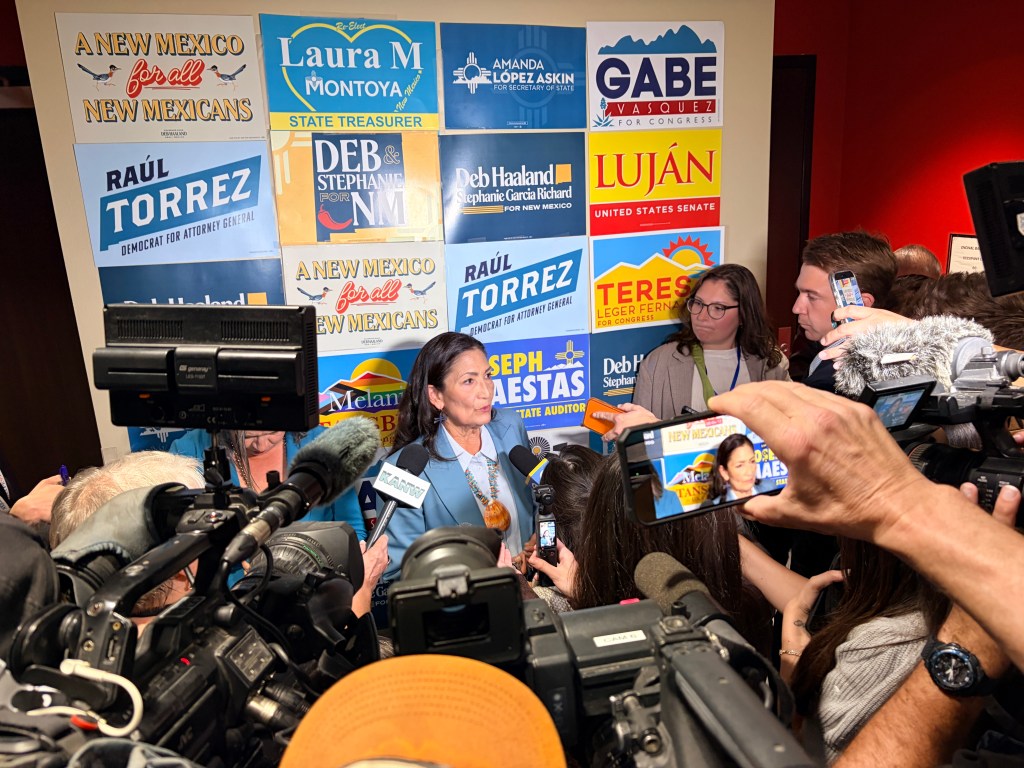
New Mexico Governor-Elect Deb Haaland during a press conference at Route 66 Casino in Albuquerque, New Mexico on November 3, 2026. (Pauly Denetclaw, ICT)
In Oklahoma, former state House speaker T.W. Shannon, Chickasaw, was elected as lieutenant governor and will serve alongside governor-elect Mike Mazzei. The two Republicans will take office on January 11, 2027. Shannon is the fifth known Native American elected as a lieutenant governor. He is also the first known African American elected as lieutenant governor in Oklahoma’s history.
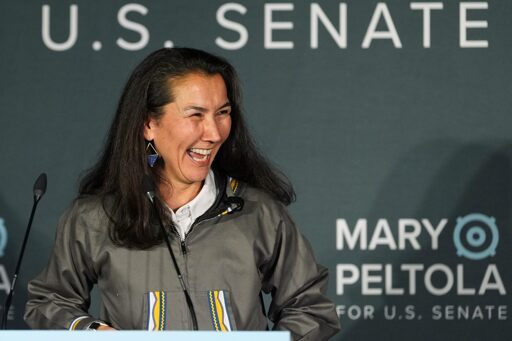
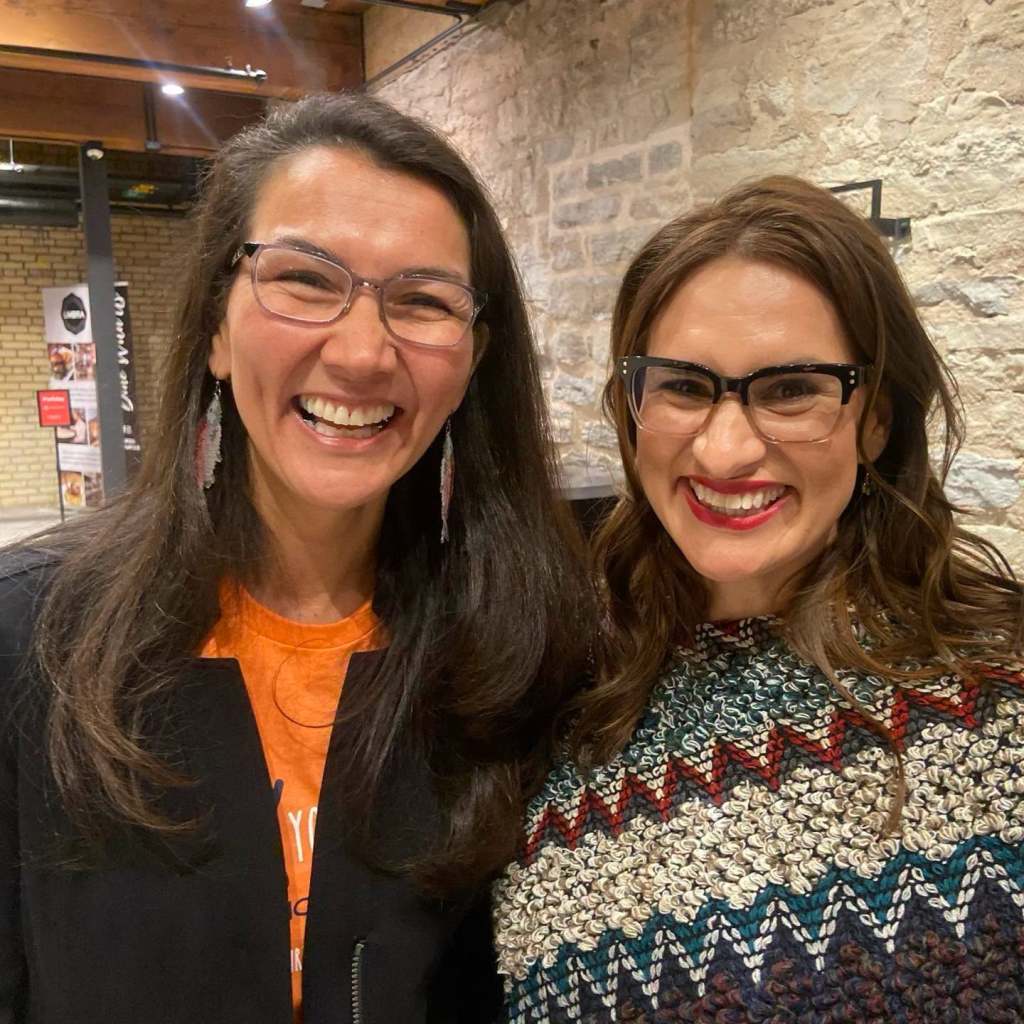
Two Native women are headed to the U.S. Senate. Minnesota Lt. Gov. Peggy Flanagan, White Earth Nation, and former Alaska U.S. House member Mary Peltola, Yup’ik, will take office at 12 p.m. EST on January 3, 2027.
“It was amazing seeing Flanagan take Minnesota. It’s pretty exciting. It’s great”, said Chris James, an ICT political pundit.
Flanagan’s race was called on election night. Due to Alaska’s ranked-choice voting, it took an extra 15 days for Peltola’s race to be called by the Associated Press.
Flanagan will be the first known Native American woman elected to the U.S. Senate.
Peltola will be the first known Alaska Native ever elected to the U.S. Senate.
Both will be the first two Native women in the upper chamber when they swear in together on the Senate floor with the new congressional members.
U.S. Rep. Tom Cole, Chickasaw, was elected to his 13th term as a congressman for Oklahoma’s 4th Congressional District. The Republican will continue to hold the title of the longest-serving Native American in Congress.
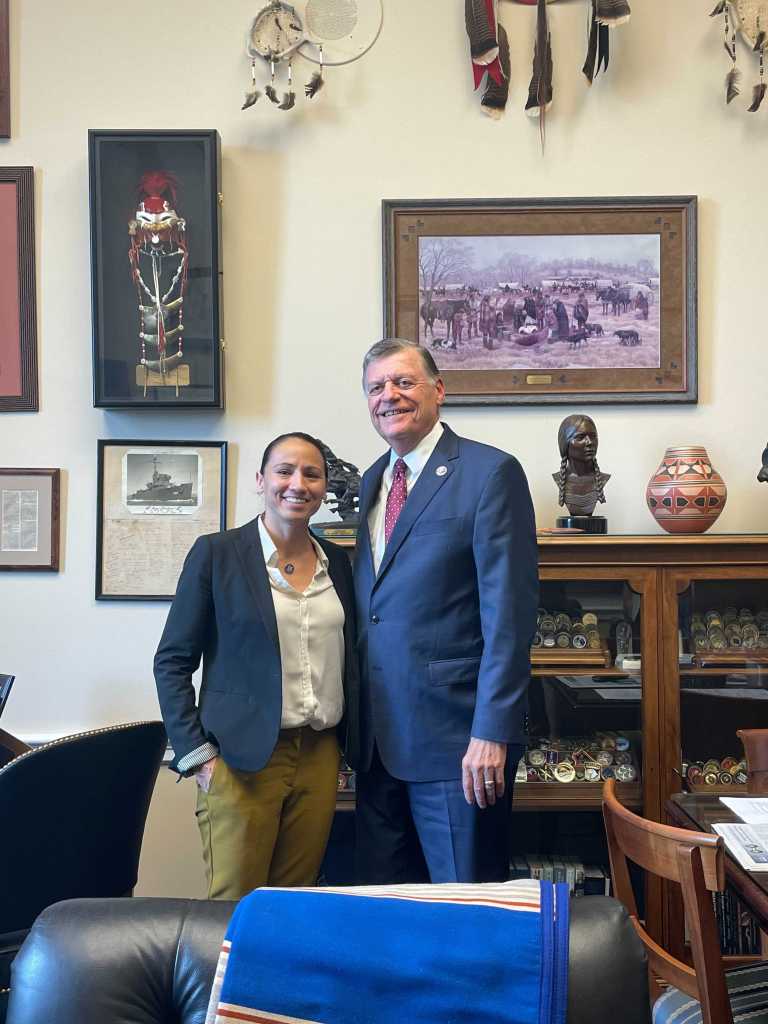
Credit: Left to right: Reps. Sharice Davids and Tom Cole pose for a photo. (Photo courtesy of Davids Congressional office)
The longest-serving Native American woman in Congress, U.S. Rep. Sharice Davids, Ho-Chunk, was elected to her fifth term to represent Kansas’ 3rd Congressional District. This is the fourth election where she’s won by double digits.
Also reelected in Oklahoma was U.S Rep. Josh Brecheen, Chickasaw, who will represent Oklahoma’s 2nd Congressional District for his third term. Brecheen has promised to only serve four terms in the U.S. House.
Democratic socialist, N’Kiyla “Jasmine” Thomas, Chickasaw, lost her bid for a U.S. Senate seat. It was unlikely that Thomas would win considering that Oklahoma is an extremely conservative state and her Republican opponent, Kevin Hern, was a four-term congressman.
Former Navajo Nation president Jonathan Nez put up an incredible and admirable run for Arizona’s 2nd Congressional District, said Harvill.
“Jonathan Nez had a Herculean task in front of him,” Harvill said. “In order to win that race, because of the redistricting cycle in 2022, his district moved to the right by six to seven percentage points. It was a pretty dramatic gerrymandering for that district, which used to be a swing district.”
Nez lost to incumbent U.S. Rep. Eli Crane by just over 3,000 votes.
“One of the incredible things to see about Jonathan Nez’s race is that he actually outperforms top of ticket leaders throughout the state of Arizona,” Harvill said. “He’s really leading the way, and what that means to me is that when Native people see us in charge, when we see us running for office and the issues that matter to us, that we turn out as a result of that.”
Michigan state legislator Sean McCann, Citizen Potowantami, was able to flip a U.S House seat. The Democrat was elected to his first term as the U.S. representative for Michigan’s 4th congressional district. It was held by a Republican for the previous four election cycles and Trump carried the district by six points.
New York state assemblymember Claire Valdez, Ysleta Del Sur Pueblo, was elected to New York’s 7th congressional district. She is the first known Native American elected to represent New York in Congress. She is also the first Native American Democratic Socialist elected to Congress. Valdez was endorsed by fellow Democratic socialists Vermont U.S. Sen. Bernie Sanders and New York City Mayor Zohran Momdani.
“Another role is the far left of the Democratic Party, what’s that doing to look like and how are they going to work with the more moderate side? I’m curious to see,” James, Eastern Band of Cherokee descent, said.
In total, seven Indigenous people will be part of the 120th U.S. Congress. This will be a historic first, beating the 117th Congress by one.
“You hate to think this but as soon as the final votes are collected, and it will be a couple of weeks before that happens, everyone is going to start lining up on the Democrat and Republican side to decide who are going to be the candidates to run for president,” said Mark Trahant, former ICT editor and longtime political correspondent. “Just when we’re done with this mess, we have to start all over again.”
Flanagan, Peltola, McCann, Valdez, Davids, Cole, and Brecheen will all take office at 12 p.m. EST on January 3, 2027, per the U.S. Constitution.
The post Indigenous representation in Congress inches closer to parity appeared first on ICT.
From ICT via This RSS Feed.