

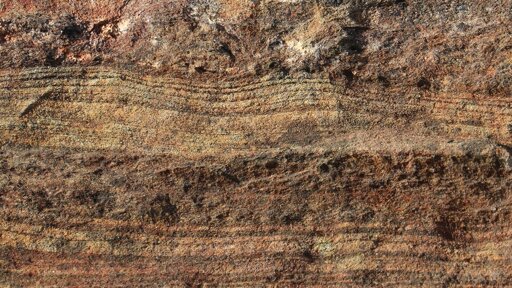
University of Michigan researchers have developed a better way to understand why earthquakes occur and what size they might be. Currently, models that predict earthquakes only account for slipping that occurs along a main fault, activity that usually generates large earthquakes. Instead, the U-M researchers have built a model that considers not only the main fault action but also the activity of rocks that lie adjacent to the fault and become damaged during earthquake events.
From Earth News - Earth Science News, Earth Science, Climate Change via This RSS Feed.
You must log in or register to comment.