

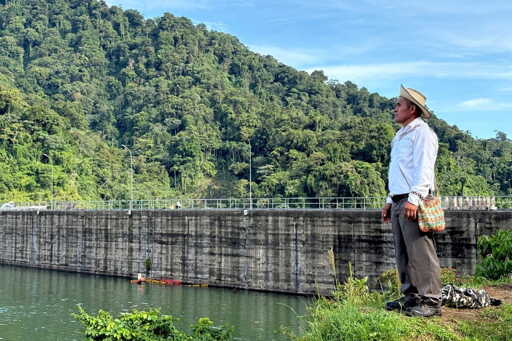
Nearly two decades after construction began on the CHAN-75 hydroelectric dam project, Indigenous Ngäbe communities in western Panama continue to face severe environmental, cultural and spiritual impacts, according to a new report by the Indigenous rights organization Cultural Survival. It found that communities still suffer from displacement, pollution, the loss of local fish species, medicinal plants, spiritual practices and other threats to their livelihoods. As communities continue to fight for reparations, Panamanian authorities have granted a concession for a second dam on the same river. Ismael Quintero, a Ngäbe leader of the Guayabal community, said their lives changed completely when the state-owned electric power generation company Empresa de Generación Eléctrica (EGESA) began to build the first dam in 2007. “Crops were abundant, and there was free navigation along the Changuinola River,” he told Mongabay via WhatsApp voice messages. “Our whole family enjoyed the clean and healthy river at that time.” For the Ngäbe people, the river traditionally holds deep spiritual and cultural significance. Quintero said it provides them with food, such as fish and shrimp, and serves as a source of inspiration and strength. It is sacred to them, he added. They traditionally believe that a spirit — the owner of the fish and river ecosystems — resides within it, and therefore, any catch is a gift from this spirit. For this reason, they offer prayers to the spirit before undertaking any activities there. Tilapia fish caught in the Changuinola River by a member of a Ngäbe community. Image courtesy…This article was originally published on Mongabay
From Conservation news via This RSS Feed.