

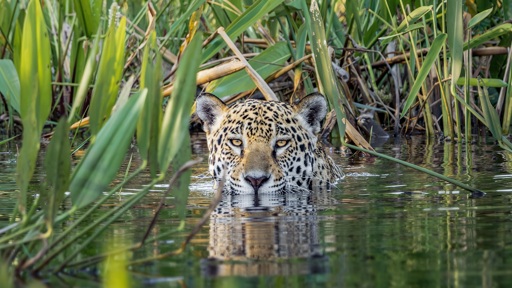
Residents of a neighborhood in Foz do Iguaçu, in southern Brazil, alerted authorities after spotting a jaguar (Panthera onca) roaming the streets in June 2026. One family was even more surprised when, one morning, they heard a loud commotion and found the animal on their porch. Following a major mobilization involving police, environmental agencies and organizations specializing in the species, the male jaguar was sedated and temporarily taken to a wildlife refuge. A few weeks later, the animal, named Tape’ỹ — a word meaning “the one who lost his way” in the Indigenous Tupi-Guarani language — was released into Iguaçu National Park, near where he had been found. “Jaguars need large areas of habitat to survive. And it’s not enough for these areas to exist: They must be connected, allowing animals to move around, find mates and maintain gene flow between different populations,” says Yara de Melo Barros, executive director of the Onças do Iguaçu Project, one of the organizations involved in Tape’ỹ’s rescue and release. Iguaçu is part of the so-called Green Corridor, which crosses the Brazil-Argentina border and is home to about one-third of the fewer than 300 jaguars still surviving in the Atlantic Forest. It is an important habitat for the species, but highly fragmented and almost completely cut off from the rest of the biome, according to the most comprehensive assessment to date of connectivity across the jaguar’s range throughout the Americas, recently published in the journal Global Change Biology. Tape’ỹ being examined after his rescue…This article was originally published on Mongabay
From Conservation news via This RSS Feed.