

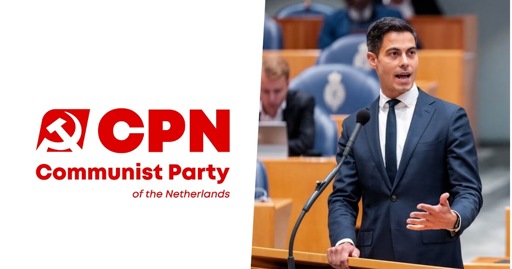

The Communist Party of the Netherlands (CPN), through its newspaper Manifest, has denounced the political turmoil surrounding the Dutch government’s 2027 tax plan, arguing that the crisis exposes the class interests behind parliamentary maneuvering while concealing a broader consensus on militarization, austerity and policies favoring big capital. In an article published on November 17, titled “A Communist Perspective on the Cabinet Crisis”, Manifest examined the confrontation that erupted after the liberal People’s Party for Freedom and Democracy (VVD) voted against a tax package originally prepared by its own finance minister.
The dispute centered on an amendment introducing a higher tax rate on substantial investment profits, expected to raise approximately €1 billion. Although the amendment affected only a tiny fraction of the overall budget, the VVD reacted furiously, accusing its coalition partners of betrayal and threatening the stability of Prime Minister Rob Jetten’s minority government.
According to Manifest, the controversy obscures a fundamental reality: the tax plan continues to favor capital over labor. While wealthy investors retain substantial advantages, the modest tax relief offered to working people amounts to approximately €100 annually.
The communist newspaper argued that the fierce parliamentary confrontation reflects disagreements over how capitalism should be managed rather than any fundamental challenge to the existing economic order.
Particularly significant, it stressed, is the broad agreement among bourgeois parties on the militarization of Dutch society and the development of a war economy. Across the parliamentary spectrum, parties support allocating tens of billions of euros to military expenditure, while disputing how the financial burden should be distributed between workers and capital.
Manifest warned that this political consensus translates into continued attacks on social protections and working-class living standards, regardless of the survival or collapse of the governing coalition.
Rejecting the notion that parliamentary compromises can deliver fundamental change, the newspaper pointed to the successful trade union mobilizations that forced the reversal of social security cuts earlier this year.
For the Dutch communists, the decisive question is not which bourgeois party emerges victorious from the latest political confrontation, but how the working class can challenge the economic power of capital itself.
The struggle against austerity, militarization and deteriorating living conditions, Manifest concluded, requires organized working-class action and democratic control over the economy, rather than endless parliamentary maneuvering within the limits of capitalism.
From In Defense of Communism via This RSS Feed.