


Iran has rejected reports about its possible involvement in planned attacks inside US cities, claiming them to be a part of a malicious campaign against the country waged to justify a possible new escalation in the US-Israeli war.
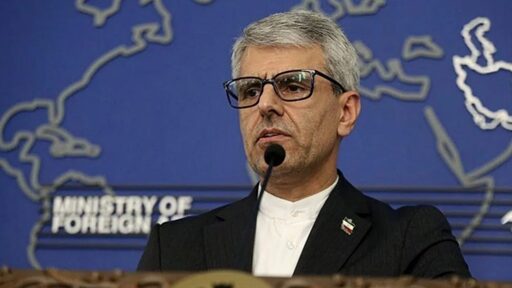
“From the so-called ‘refrigerator cases’ in France to allegations that Iran is plotting to assassinate US officials, we are witnessing what appears to be a coordinated malign narrative campaign,” Esmail Baghaei, official spokesperson of Iran’s Ministry of Foreign Affairs, pointed out in a post on X on Monday, November 16.
After several supermarkets in France reported their fridges heating abnormally in October, its government claimed it was a result of a cyberattack and accused Iran for the same. Iran had vehemently denied the allegations, calling them baseless and absurd.
Despite Iranian denials, France is now seeking fresh EU sanctions against Iran over the issue.
The purpose behind such a campaign “is to portray Iran not merely as a threat to Western governments, but as an enemy of ordinary people and their everyday lives,” Baghaei argued.
Baghaei’s comments were referring to a CNN report on Monday which claimed that Iran was involved in a plan to detonate a “dirty bomb” in Washington targeting senior US officials. The report quotes seven US officials as a source for the story without giving any names.
The White House, in a statement on Monday, however, has denied any such threats.
Last week, several reports indicated that Treasury Secretary Scott Bessent was relocated into a military base after facing threats to his life from Iran, without providing any evidence or sources of the information.
There were also rumors about several US officials, including President Donald Trump, taking shelter in bunkers due to the Iranian threats.
Attempts to seek justification for fresh escalation
Arguing that such reports regarding the possible Iranian involvement in bombing and murder plots is nothing but attempts to manufacture fear for public support to continue the war on Iran “and to legitimize their leaders’ reckless political and military actions under the pretext of protecting public safety,” Baghaei added.
Iran has not done anything to harm common civilians of aggressor states so far despite intense provocations and targeting against its own civilians and political leadership and do not intend to do so in future as well, Baghaei said.
Scores of Iran’s political and military leaders including the Supreme Leader Ayatollah Seyyed Khamenei and hundreds of civilians, including over 160 school children in Minab were killed during US-Israeli attacks.
Baghaei warned against the deliberate misreporting and manipulation by the media, claiming “Iran does not need to become a mirror image of its wicked aggressors to defeat them.”
In a similar instance, speaker of the Iranian Parliament Mohammad Bagher Ghalibaf criticized a report in The New York Times on Tuesday, claiming it was an attempt to seek justification for fresh attacks on Iran’s dams and other water sources.
The New York Times published the report on Monday, with reporters claiming Iran deliberately built dams near its missile and military sites, alluding they were for dual use.
Ghalibaf questioned the credentials of the so-called experts behind the report claiming the story was possibly planted to justify attacks on civilian infrastructure in the country and warned that any such move will invite similar Iranian retaliation to dams or power plants located near the US military bases.
Several other commentators have called The New York Times report a “disgrace to journalism,” claiming it amounts to complicity in war crimes.
President Trump has repeatedly threatened to attack Iran’s civilian and economic infrastructure during the war which began in February.
After facing defeat in the midterm elections earlier this month, he has moderated his rhetoric about launching fresh strikes escalating the war and even claimed the war may end soon. However, the fresh US deployment of troops and warships in West Asia continues.
On Monday, the US deployed USS Theodore Roosvelt, taking the number of such warships deployed in the region to three.
From BT News via This RSS Feed.