

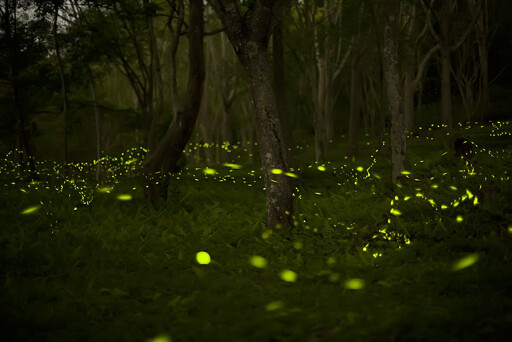
On a June night in a meadow in the U.S. state of Delaware, Christopher Heckscher stood with his camera and waited for the fireflies to come out. Most of the flashes he saw were familiar, but a quick run of amber pulses caught his attention. “The amber color of the flash and the long rhythmic pattern did not match any other firefly I was familiar with in this region,” Heckscher, an entomologist and ecologist at Delaware State University, said in a press release. “I was confident I had found the species the moment I saw the flash pattern.” “The species” was the similar firefly (Pyractomena similis), which hadn’t been documented since 1983. Then, in spring 2026, it turned up three times, according to a new paper in the Journal of Lost Species. An illustration of the similar firefly (Pyractomena similis)by Mauricio Alvarez. An observer first spotted males flashing over a meadow in the neighboring state of Virginia on May 15 and posted the sighting to iNaturalist, a citizen science platform. A second population turned up nearby two weeks later. Heckscher’s sighting at Brandywine Creek State Park was the first record of the species in Delaware. He found it in a meadow full of shrubs, brush, and low plants. The species is known to live in open fields near water. “The habitat is not terribly common,” Heckscher said. “We think of fields and open meadows as being pretty common, but most times we’re managing them for other things, maybe livestock, or…This article was originally published on Mongabay
From Conservation news via This RSS Feed.