

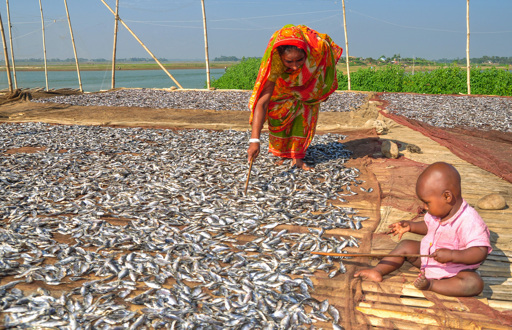
Hafsa Begum, 25, spent most of her recent pregnancy in a two-room apartment on the third floor of a five-storey building in a densely populated neighborhood of Dhaka, Bangladesh. Her bedroom remained dark even during the day, she says, as neighboring residential buildings blocked sunlight and restricted the flow of fresh air through the windows. Frequent power outages during the humid summer exhausted her and she was often exposed to scorching heat while traveling to see her gynecologist. At government-run Mother and Child Health Hospital in Mohammadpur, a neighborhood in western Dhaka, Hafsa gave birth to a baby boy on Nov. 7 — three weeks before a full, 40-week term. The hospital’s chief gynecologist, Nazmoon Naher, told Mongabay on Nov. 8, “We have been seeing increasing preterm births by mostly malnourished and overstressed mothers.” She could not, at the time of reporting, provide the hospital’s records of preterm deliveries. She said that mothers who gave birth earlier were required to stay in the hospital for more than three days after admission, as their babies were vulnerable to complications, including pneumonia, sepsis and gastroenteritis. Naher said that she had not specifically researched the link between extreme heat and preterm birth. Frequent power outages during the humid summer exhausted Hafsa and she was often exposed to scorching heat while traveling to see her gynecologist. Image by ASaber91 via Wikimedia Commons (CC BY 2.0). Research links heat spells and preterm births On Nov. 2, international nonprofit research group Zero Carbon Analytics released a…This article was originally published on Mongabay
From Conservation news via This RSS Feed.