

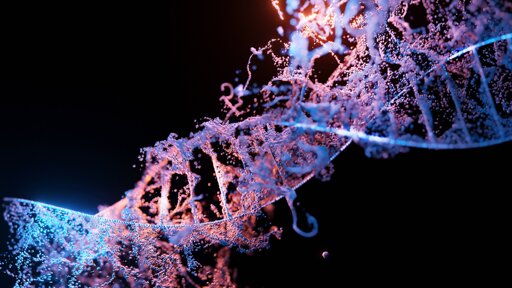
A new era of genome research began in 2012 with the discovery that CRISPR/Cas9 could function as molecular scissors to cut specific DNA sequences. Over time, scientists harnessed CRISPR as a genome-editing tool, which held the promise of precise gene removal and addition for research purposes, targeted therapies for genetic diseases like cystic fibrosis or Huntington’s, and a future where personalized treatments are the norm. But a major shortcoming has snagged that progress: CRISPR can make off-target edits to parts of the genome never meant to be touched.
From Biology News - Evolution, Cell theory, Gene theory, Microbiology, Biotechnology via This RSS Feed.
You must log in or register to comment.