

Brazil trade diversification advances as Lula highlights 20% growth with China and stronger ASEAN ties to reduce dependence on the U.S. market.
Related: Brazil Philippines Cooperation: 2 Agreements Launch a New Era in Manila
Brazil Trade Diversification: 20% China Growth Cuts US Reliance
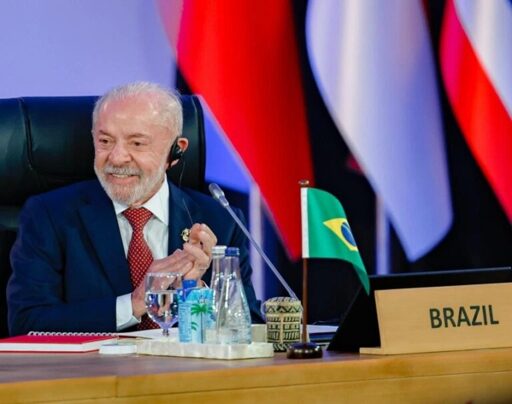
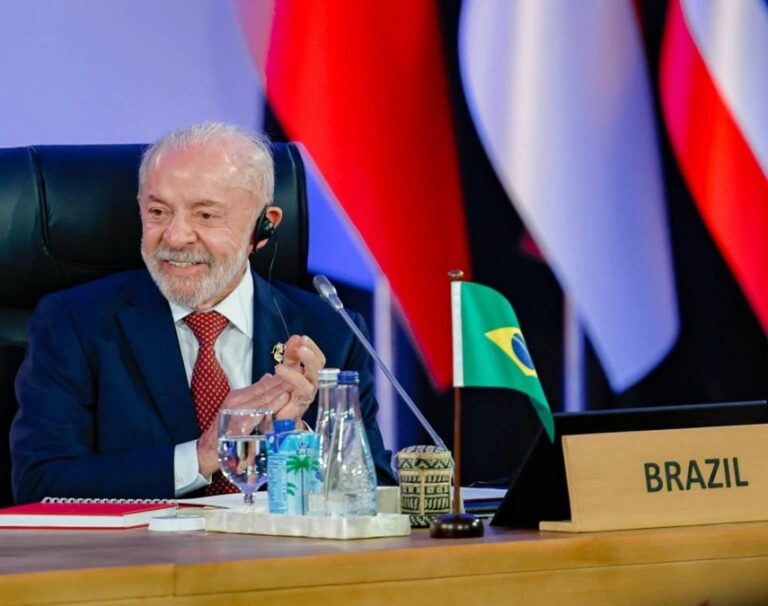
Brazil is accelerating its Brazil trade diversification strategy to reduce dependence on the United States and expand ties with Asia and the Global South. President Luiz Inácio Lula da Silva made the case in Manila during the 49th ASEAN Summit, where he presented Brazil’s economic resilience as proof that multilateralism can outpace unilateral pressure.[telesurtv]
Lula highlighted that Brazil’s trade surplus rose from 50 billion to 80 billion reais, equivalent to about 14.12 billion U.S. dollars. At the same time, the U.S. share of Brazil’s goods trade fell to 9.2 percent.[telesurtv]
The president argued that the tariffs imposed by the Trump administration did not weaken Brazil. Instead, they pushed Brasília to redirect exports and imports toward Asian and European partners.[telesurtv]
A Strategy Built on New Partners
Brazil’s trade diversification is not just rhetoric. It is reflected in concrete growth with key partners. Trade with China rose 20 percent, with Indonesia 15 percent, with Germany 15.8 percent, and with Vietnam 13 percent.[telesurtv]
The numbers show a clear shift in Brazil’s commercial orientation. Rather than relying on a single market, Brasília is building a broader network of buyers and suppliers across multiple regions.[telesurtv]
With ASEAN, the growth has been even more pronounced. Trade between Brazil and the bloc rose from 530 million dollars in 2003 to more than 6.7 billion dollars in 2026. Lula has set a goal of doubling that volume to consolidate Brazil as a permanent partner of the group.[telesurtv]
Lula’s Message on Sovereignty
Lula framed the trade diversification strategy as a matter of sovereignty. He said Brazil chose to seek new partners rather than beg the U.S. government for relief from tariffs.[telesurtv]
“Instead of crying or begging the U.S. government to have mercy on Brazil, we decided to look for other partners to sell to and buy from,” Lula said during a press conference in Manila.[telesurtv]
The president presented the trade surplus as evidence that multilateralism can overcome coercive unilateralism. He argued that opening to the Global South is the best antidote to protectionism.[telesurtv]
Rebuilding Ties With Venezuela
In the same trip, Lula reaffirmed Brazil’s willingness to restore relations with Venezuela at the highest level. He met recently with Venezuela’s acting president, Delcy Rodríguez, during the COP31 climate summit, laying the groundwork for deeper cooperation.[telesurtv]
The restoration of ties covers political, economic, and energy dimensions. Brasília and Caracas are now positioned to boost energy and commercial cooperation across South America.[telesurtv]
The renewed relationship gives Venezuela a central place in Brazil’s regional integration agenda. It also reflects a broader effort by Brasília to strengthen ties with neighbors and build a more balanced regional order.[telesurtv]
A Push for Multipolar Governance
The Brazil trade diversification strategy is part of a broader push for multipolar economic governance. Brasília argues that no country should depend on a single market for its prosperity.[telesurtv]
The approach is based on the idea that adding more interlocutors strengthens economic autonomy. It reduces vulnerability to external pressure and gives Brazil more room to maneuver in global negotiations.[telesurtv]
The strategy also fits into a wider trend of South-South cooperation. Countries in the Global South are increasingly seeking to build direct links that reduce dependence on traditional powers and create new opportunities for trade and investment.[telesurtv]
Geopolitical Context
The Brazil trade diversification strategy takes place at a time when global trade is being reshaped by tariffs, supply chain disruptions, and geopolitical rivalry. The U.S. tariffs on Brazilian products, which reach 25 percent and 12.5 percent on different goods, have accelerated Brasília’s pivot toward Asia and Europe.[telesurtv]
Brazil’s response reflects a broader effort by emerging economies to assert greater autonomy in the global system. By expanding ties with China, ASEAN, and the European Union, Brasília is positioning itself as a key player in a multipolar world.[telesurtv]
The broader geopolitical meaning is that the strategy is not just about trade. It is also about building a new architecture of global governance that gives emerging economies a greater voice.[telesurtv]
What Comes Next
The immediate next step is to turn the trade diversification strategy into concrete agreements. That will require coordination between government agencies and private-sector actors in Brazil and its partners.[telesurtv]
The ASEAN summit gave Lula a platform to deepen ties with the wider region. It also tested whether Brazil can translate its diplomatic outreach into tangible economic results.[telesurtv]
For now, the Brazil trade diversification strategy represents a significant step in Brasília’s effort to expand its global presence. The next phase will determine whether the partnership can move from political symbolism to practical results.[telesurtv]
From teleSUR English via This RSS Feed.