

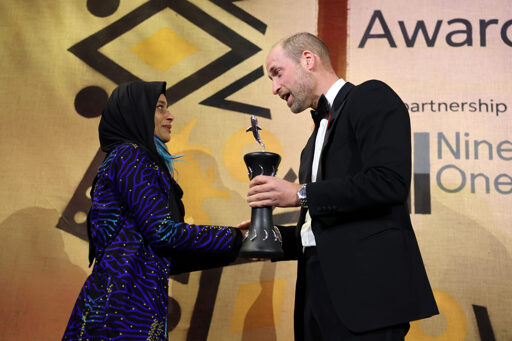
Conservation is rarely conflict-free. On Kenya’s northern coastline, in Lamu and Tana River counties — a biodiversity hotspot where the nation’s longest river meets the Indian Ocean — the work of protecting marine and terrestrial habitats often takes a willingness to challenge industrial fishing and extractive industries. For Raabia Hawa, defending nature against these activities has meant operating in areas largely neglected by official conservation bodies. A former broadcast journalist and Montessori teacher turned environmental defender, Hawa founded the Ulinzi Africa Foundation (“Ulinzi” means the defenders in Swahili) in 2014 to provide frontline ranger patrols against elephant poaching and wildlife crime. Her work has since expanded beyond anti-poaching to combat illegal industrial bottom-trawling and empower local communities resisting extractive mining concessions. Operating near the Somali border comes with high political insecurity. Hawa’s vocal stance against environmental destruction has come at a personal risk, including death threats and being designated a target by the militant group al-Shabaab. Despite these perils, Ulinzi has continued to operate on a shoestring, powered by volunteer family support. In London to receive the 2026 Tusk Award for Conservation in Africa — which provides Ulinzi with three years of critical funding — Hawa spoke with Mongabay about the realities of countering industrial fishing and mobilizing rural women against mining giants, highlighting the disconnect between global biodiversity targets and the daily battles frontline nature defenders fight on the ground. Raabia dedicates the award to her father, Abdul Kadir Hawa, who she credits for her success. “He really believed…This article was originally published on Mongabay
From Conservation news via This RSS Feed.