

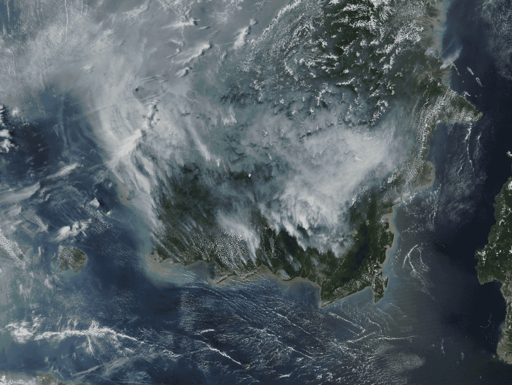
Human-caused climate change significantly amplified extreme heat during Indonesia’s 2026 fire season, turning an El Niño-driven drought into a severe regional crisis, according to a recent rapid analysis. The report was released by World Weather Attribution (WWA), a global network of researchers who analyze the influence of climate change in extreme weather events. The researchers analyzed weather conditions across western Indonesia during the dry season between August and October 2026, when fires burned approximately 1.9 million hectares (4.7 million acres) of peatland and rainforest. The resulting toxic haze exposed 12.5 million people across Southeast Asia to hazardous air pollution and caused more than 400,000 respiratory infections in Indonesia alone, according to findings from the WWA report. Researchers found that while a strong El Niño was the primary driver of an “extreme lack of rainfall,” cutting seasonal precipitation by roughly 50% during the three months, record-breaking temperatures were overwhelmingly driven by global warming. Human-induced climate change made the season 1.6° Celsius (2.9° Fahrenheit) hotter; such extreme heat would be virtually impossible without greenhouse gas emissions, the researchers found. Meanwhile, El Niño added 0.3°C (0.5°F) of warming. Climate change also tripled the likelihood of weeklong hot, dry atmospheric extremes. “The top line of the study is that this year’s El Niño set the conditions for very low rainfall, a major fire season drought, and that this drought was then exacerbated by record heat throughout the fire season, which was made possible due to human-caused climate change,” report co-author Theodore Keeping, extreme weather…This article was originally published on Mongabay
From Conservation news via This RSS Feed.