

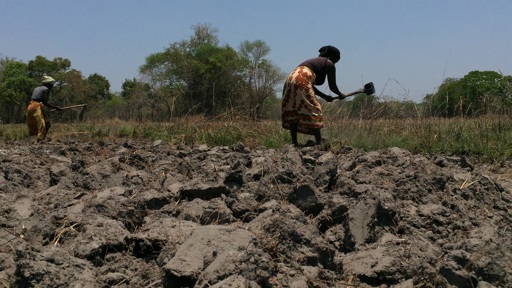
Smallholder farmers across the globe are bracing for, or already feeling, the effects of a historically strong El Niño. This event — forecast to peak in December with lasting impacts deep into 2027 — has brought warnings of shocks to global food prices and food security. The record-breaking 2026-2027 El Niño could drive an additional 49 million people into acute hunger, according to the United Nations, with southern Africa and Central America likely hardest hit. Expectations are that supplies of key staples such as rice and corn and commodities like cocoa, coffee and palm oil will be deeply reduced. Millions of smallholder farmers who grow the food we consume are on the frontline of these impacts, experts say. Palm oil suppliers in Indonesia, for example, are already reporting losses due to a prolonged El Niño-linked drought, while in Sudan long delayed rains are raising risk of widespread famine. In Central America, Guatemalan farmers are seeing sharp reductions in crops meant for home food consumption. The governments of El Salvador, Honduras and Panama have all issued El Niño emergency declarations, as have Bolivia and Peru in South America. “Fairtrade producers that we’re talking to are already seeing impacts,” Amanda Archila, CEO of Fairtrade America, told Mongabay in a video interview. “You’re already seeing clear signs of a dramatic increase in the number of food insecure smallholders.” Key cash crops could be far more deeply impacted over the coming months. The current El Niño is exposing a fundamental weakness in global food…This article was originally published on Mongabay
From Conservation news via This RSS Feed.