

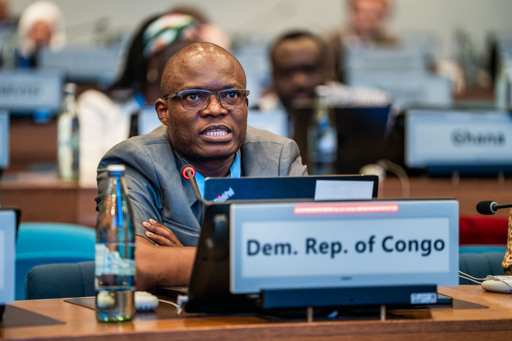
YEREVAN, Armenia — Discussions were running much longer — and tenser — than they were supposed to during one of the last sessions of the 2026 U.N. biodiversity summit (COP17) in Armenia. The recurring culprit: Money, or more specifically, biodiversity finance. It recalled earlier discussions four years ago during the COP15 summit in Montreal, which ended in momentary panic when one party threatened to pull out at the last minute over finance issues. One of the parties at the center of disagreements during both summits was the Democratic Republic of Congo (DRC): Holder of the biggest share of the second-largest rainforest in the world — the Congo Basin — and veracious critic on the world stage for increased, and “more effective,” finance to help industrially developing countries meet global biodiversity goals. Among the recurring figures representing the country at environmental conferences is Daniel Mukubi, often on the microphone, intervening and vocal about better and more equitable access to finance. “All this weight … the objectives, targets of the global biodiversity framework … It requires additional efforts for developing countries, such as the Democratic Republic of the Congo, to be able to find alternatives,” says Mukubi in an exclusive interview with Mongabay. “Additional means to enable Indigenous peoples and local communities that depend on forests and ecosystems, but also on forest products for their livelihoods, to be able to find means of subsistence that will allow them not to continue destroying the forest.” A local person carrying firewood, Yangambi, Tshopo, DRC.…This article was originally published on Mongabay
From Conservation news via This RSS Feed.