

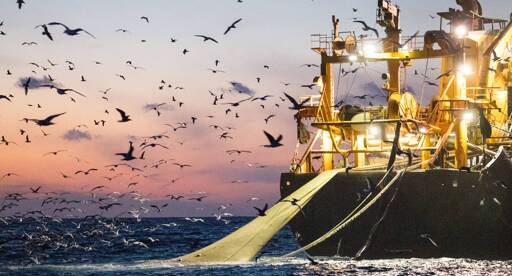
The European Union has for many years been a key player in international biodiversity negotiations, pushing hard for the world’s nations to protect 30% of their land and sea by 2030 — known as the 30×30 initiative. Yet a new audit highlights that the EU is itself off track to fulfill this commitment, at least when it comes to its marine environment. The European Court of Auditors (ECA), the EU’s independent auditing body, published a report on Oct. 26 that says the EU “has not established a marine protected area network that effectively protects the marine environment” and that it’s “highly unlikely” the bloc will meet its 30% target by 2030. The auditors reported that in the type of EU marine protected area (MPA) that covers the most area, Natura 2000 sites, apparent fishing activity is 72% higher than in other European waters. The vast majority of that fishing effort, about 85%, involved the “most destructive bottom-contact gear,” such as bottom trawls that drag weighted nets, damaging seafloor habitats. The audit points to a long-standing problem with MPAs in Europe and beyond: Designation doesn’t necessarily lead to meaningful protection. Many are “paper parks” that lack strong rules, management or enforcement. “The report bolsters the growing criticism of the EU’s ‘paper parks’ — campaigners have been calling out the prevalence of destructive fishing practices, in particular bottom-trawling, within MPAs,” John Condon, lead for marine ecosystems at ClientEarth, a U.K.-headquartered NGO, told Mongabay in an email. ClientEarth is part of an umbrella…This article was originally published on Mongabay
From Conservation news via This RSS Feed.