

Over the past 20 months, the Trump administration has rolled back regulations and issued executive orders aimed at unilaterally speeding up industrial development projects. In true bureaucratic fashion, even attempts to cut red tape come with a litany of acronyms you may have never heard of. Take, for instance, “FAST-41.”
Title 41 of FAST-41, or the Fixing America’s Surface Transportation Act, was originally passed under former President Barack Obama in 2015. It was created as a mechanism to streamline federal review for approval of large-scale infrastructure projects, and improve the public’s access to any permits and documents produced as part of federal review. Infrastructure projects can only be added to the FAST-41 list if they fall under federal review with the National Environmental Policy Act and meet certain size requirements.
In a July 2025 executive order, Trump expanded the definition of critical infrastructure projects eligible to be covered under the FAST-41 process to include artificial intelligence data centers. “My Administration will utilize federally owned land and resources for the expeditious and orderly development of data centers,” the directive reads. “This usage will be done in a manner consistent with the land’s intended purpose — to be used in service of the prosperity and security of the American people.”
FAST-41 shares similarities with the Bipartisan American Affordability and Jobs Act, or BAAJA, the permitting bill that passed the Senate this week. That legislation would overhaul environmental regulations like the National Environmental Policy Act, the Clean Water Act, and the Endangered Species Act, and change judicial review, with the goal of expediting the permitting process for projects to go from proposals to shovels in the ground more quickly. If the bill passes the House as written, its changes would be applied to all infrastructure permitting projects. FAST-41, unlike BAAJA, does not change existing environmental statutes and only applies to projects listed under the policy.
Reforming the permitting process has increasingly evolved into a bipartisan issue. Lawmakers on both sides have said the lengthy process stalls economic development. New Mexico Democratic Senator Martin Heinrich, one of the BAAJA sponsors, has said the current permitting process particularly hurts transmission expansion and renewable energy projects at a time when those are most needed, and has attributed those setbacks to continued higher energy costs. But depending on the type of project, expanding development can also mean driving up planet-warming emissions. The Natural Resources Defense Council has warned that BAAJA, in its current draft, could “benefit fossil fuel, mining, data center, and other industrial projects more than clean energy.” The environmental nonprofit has also said the bill would limit regulatory oversight of the environmental harms associated with development.
FAST-41 established a dashboard where anyone can view a project’s timelines, required actions by federal agencies, and the status of environmental review and permits. It is overseen by what’s often referred to as the Permitting Council, made up of representatives from 15 federal agencies. There are two categories for projects listed under FAST-41. The first is a “covered” listing, which means a project will receive expedited processes, including a set permitting timeline that federal agencies must comply with and being assigned a project coordinator to carry the project through the review process. The second is a “transparency” listing, which essentially creates a one-stop shop for a project on the FAST-41 dashboard. It’s a centralized location with information on permitting documents.
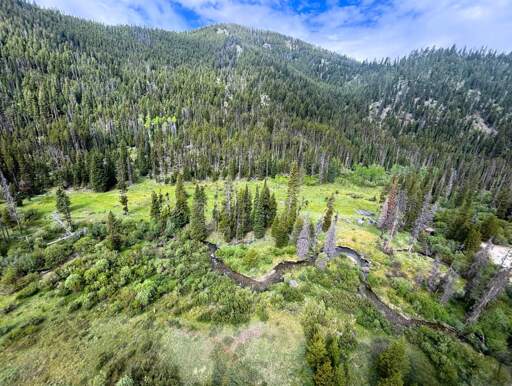
In late October, Montana became the 11th state to enter into an agreement with the Permitting Council, which oversees FAST-41. This means the federal government will help the state to identify infrastructure projects eligible for a FAST-41 designation — now including those that aid the development of data centers, like the mining of rare earth elements — provide resources to state agencies through the permitting process, and include state-level permitting actions and timelines on the federal transparency dashboard. Montana has a long-standing history of mining and other extractive industries. Some industry groups, like the Montana Mining Association, see this new state-federal collaboration on FAST-41 as an industry win.
Read Next
What to expect as world leaders gather for COP31
Alaska, Idaho, Wyoming, Nevada, Utah, Missouri, Tennessee, Louisiana, Georgia, and Iowa had all previously signed agreements as well. This is the first time in FAST-41’s history that these kinds of federal-state agreements have occurred. Given the novelty of this kind of collaboration, it remains to be seen how much say any given state could have in selecting projects for FAST-41 listing, or how expedited the timeline may be when state and federal permitting are happening in tandem.
When Montana Governor Greg Gianforte signed the official memorandum of understanding with the Permitting Council, he said, “This MOU will ensure that critical infrastructure projects avoid unnecessary roadblocks after completion of federal and state environmental review processes. This is especially important for energy infrastructure.”
According to Adrian Van Rythoven, an associate professor with Montana Tech’s Montana Bureau of Mines and Geology, FAST-41 establishes clarity and certainty in the process, which is beneficial for businesses like publicly traded mineral-exploration companies. “Capital markets like having timelines,” he said, adding that timelines build investor confidence and ensure more money flows toward mineral development.
The effort to make it easier to begin a mining project in Montana comes alongside sweeping changes to bedrock environmental policies and how mining projects are permitted on federal lands. There are currently three mining or mining exploration projects in the state with a “transparency” designation: the Sheep Creek Project, Blue Copper, and the Stillwater Mine.
But ultimately, Van Rythoven said, it remains to be seen if this new MOU between Montana and the Permitting Council would speed things up. He pointed to the extensive personnel and resources required to process applications.
“The scientists, the legal experts that work initially at the federal government, now perhaps the state government with this MOU, if those resources of human time, money, etc., aren’t made available to process these applications, it’ll be transparently slow.”
But for others, the partnership leaves more questions than answers. “I think there’s room for a lot of political interference, ignoring state law, and cutting the public out of the process,” said Derf Johnson, Deputy Director of the Montana Environmental Information Center. “I wonder how this MOU will conflict with Montanans’ right to know.”
Johnson supports improved transparency and said the dashboard is a useful site where the public can access information about a project. But he fears the agreement could allow projects to be prioritized based on the wishes of elected officials and political appointees rather than true merit for critical infrastructure. Montana has explicit constitutional protections for a “clean and healthy environment” and a robust state-level review process; Johnson said he hopes an agreement like this would not skirt any of the state’s own policies.
“I’m worried about projects receiving this designation in the age of corruption that we live in,” he said.
This story was originally published by Grist with the headline How Trump plans to fast-track mining in Montana on Nov 11, 2026.
From Grist via This RSS Feed.