

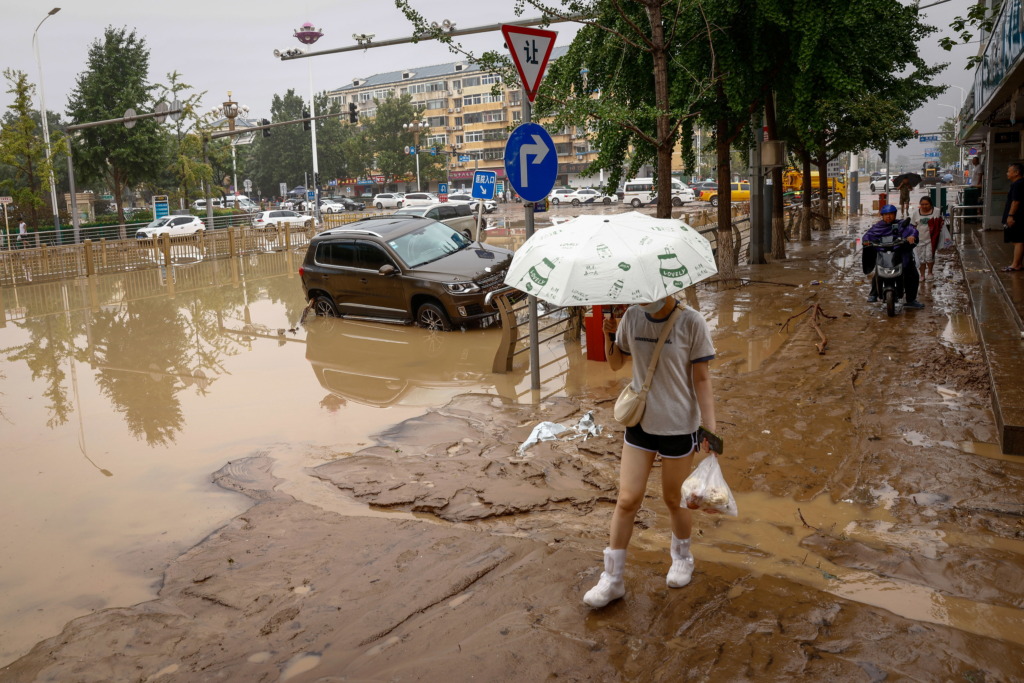
The northwestern Pacific and South China Sea have logged 32 tropical systems so far this season, breaking the 21st-century record of 31 cyclones set in 2013, Chinese meteorological authorities confirmed this week.
The cyclone season unfolding in the northwestern Pacific and the South China Sea has reached an intensity without precedent in the current annual cycle.
Regional meteorological services confirmed this week that 32 systems had formed in the zone as of Monday, surpassing the highest mark recorded so far this century, which stood at 31 cyclones in 2013.
RELATED: China Evacuates 83,000 as Typhoon Saudel Strikes Fujian
The count from Beijing National Climate Center (BCC) sits well above the historical annual average of 24 tropical storms. In most previous years, the report noted, storm totals oscillated between 20 and 30 events, while the lowest marks were set at 14 cyclones in 2010 and 16 in 2023. The gap between the new record and that long-term norm is what has unsettled forecasters across the region.
For more than a decade, the 31 systems registered in 2013 served as the ceiling for tropical activity in the basin. The 2026 season has now pushed past it with weeks of the annual period still to run, a fact that specialists described as a direct challenge to the assumptions built into current forecasting tools.
The China Meteorological Administration data indicated that the current meteorological situation requires a deep review of the predictive models in force. That conclusion has pushed national and regional centers to join forces and gather additional information with other institutes at the regional and international level.
Typhoon Chapaka formed at 2pm on Nov 7 over the northwest Pacific, the 32nd named storm of 2026 and a record for the most typhoons in any year this century, per China’s Meteorological Administration. A season that runs to storm 32 in November means the insurance industry is…
— WLshanghai (@lyfng90247316) November 9, 2026
El Niño Drives Surge
Experts attribute the surge to the effects of an extreme episode of the El Niño phenomenon. Its thermal anomalies in ocean currents displace the subtropical anticyclone and generate atmospheric conditions ideal for the continuous proliferation of destructive storms. Specialists from the National Climate Center emphasized that persistent high surface temperatures in the western Pacific Ocean keep the storm formation cycle open, challenging the initial forecasts issued by international atmospheric observation centers.
The persistence of that warm water is the engine behind the season’s unusual length. Each new system that organizes over the open sea faces conditions that favor intensification rather than decay, which explains why forecasters have struggled to predict where the activity will end. Analysts warned that the 2026 situation “drastically increases the vulnerability of Asian coastal regions.”
Local authorities in the countries bordering these waters have responded by intensifying emergency protocols ahead of new impacts expected along the continent’s most densely populated shorelines during the coming weeks. Officials underscored that “permanent vigilance” has become “the only effective tool to mitigate material damage” and safeguard the lives of millions of inhabitants living in areas directly exposed to the erratic trajectory of typhoons that continue forming in open sea.
Typhoon No. 32, Cempaka, is bearing down on the Ogasawara Islands with violent winds and waves above 6 metres. At 3 a.m. on Tuesday the storm was moving northeast at about 20 kilometres per hour south of Japan, with a central pressure of 970 hectopascals… https://t.co/sXVDcRKCE7 pic.twitter.com/JDvufl6Yzz
— Japan Daily (@Japandailydotjp) November 10, 2026
National governments are mobilizing extraordinary resources to reinforce containment dikes and update mass evacuation plans as the season presses on. The economic and social reach of this historic season extends far beyond the storm zone. Experts cautioned that the phenomenon directly affects global supply chains, the food security of fishing communities and the stability of port infrastructure in East Asia. With the seasonal window still open and ocean temperatures elevated, forecasters expect additional systems to develop before the annual cycle closes.
From teleSUR English via This RSS Feed.