

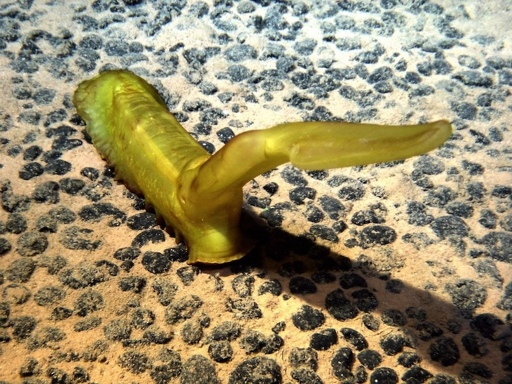
A recent Mongabay investigation by Elizabeth Claire Alberts and Andrés Alegría reveals that the Clarion-Clipperton Zone of the Pacific Ocean, a swath of deep sea regulated by the International Seabed Authority, has received a surge of claim applications filed with the United States for mineral exploration and exploitation. While the ISA, a U.N.-associated body, is responsible for granting seabed mining permits in international waters, the U.S. is challenging that authority by receiving and reviewing applications of some companies. In doing so, it’s citing U.S. laws, and not the United Nations Convention on the Law of the Sea (UNCLOS), under which the ISA was established — and which the U.S. has never ratified. Joining the Mongabay Newscast to explain the investigation into the overlapping claims and the potential legal complications and environmental fallout is senior staff writer Elizabeth Claire Alberts. “The U.S. doesn’t really see that they’re bypassing the authority of the ISA. The United States signed, but it did not ratify UNCLOS,” she says. “So they are not a party to that convention, and they are also not a member of the International Seabed Authority.” The legal implications are currently unknown, as the ISA itself is currently seeking outside legal counsel on what to do about areas it oversees that are now subject to U.S.-claims. “There’s a lot of unknowns about what will happen … a lot of fears. It’s not clear if the U.S. is going to be taken to court over the breaking of international law,” Alberts says.…This article was originally published on Mongabay
From Conservation news via This RSS Feed.