

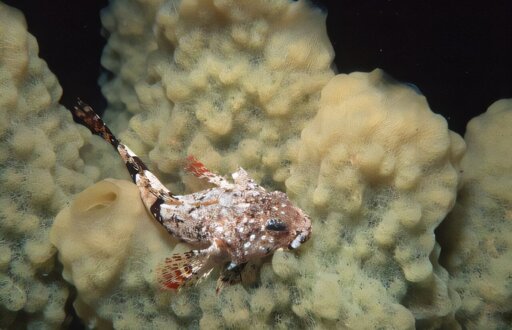
With water temperatures as low as -1.9°C (28.6°F), the Southern Ocean is a place of extreme living conditions. A new study led by Senckenberg researchers shows how fish have adapted to Antarctic temperatures. The researchers used the Antarctic spiny plunderfish (Harpagifer antarcticus) as a model organism and, for the first time, analyzed the maternal and paternal copies of its genome separately. This allowed them to uncover mechanisms that contribute to this group of fishes’ adaptation to extreme cold.
From Biology News - Evolution, Cell theory, Gene theory, Microbiology, Biotechnology via This RSS Feed.
You must log in or register to comment.