

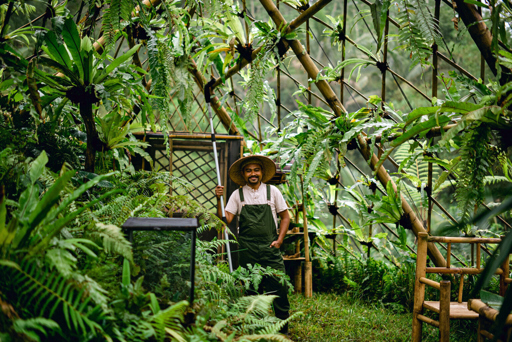
Four decades ago, Wayan Wardika says, clouds of fireflies would illuminate the night sky above the rice fields of his native village in Bali, Indonesia. Today, the insects have virtually disappeared from here due to rapid land development, light pollution, habitat degradation, and heavy use of agricultural pesticides, reports contributor Rizky Maulana Yanuar and Mongabay’s Sam Lee in a video. Across Southeast Asia, at least four firefly species are nearing extinction. Beyond their cultural importance, fireflies serve as critical bioindicators of environmental health, act as plant pollinators, and control agricultural pests by preying on crop-destroying snails. To reverse the fireflies’ decline, Wardika founded Bring Back the Light in 2020 on his family farm in Taro, Bali, establishing Indonesia’s only firefly conservation program. Lead scientist Cindy Chayani works alongside a specialized research team to oversee a captive-breeding program designed to rewild native populations. In custom terrariums engineered to replicate natural jungle and wetland habitats, scientists nurture firefly larvae for up to two years. Then they release roughly 90% of the adult insects into the wild. “We designed their mating terrariums to mimic their natural habitat,” Chayani says in the video. “This is so they hopefully feel comfortable and produce more eggs.” The program has released nearly 20,000 larvae and adults, resulting in a gradual recovery of local firefly counts. But Wardika acknowledges that breeding fireflies alone won’t ensure long-term survival without healthy habitats. “If we don’t see fireflies, there is something wrong with the ecosystem,” he says, adding that his goal…This article was originally published on Mongabay
From Conservation news via This RSS Feed.