

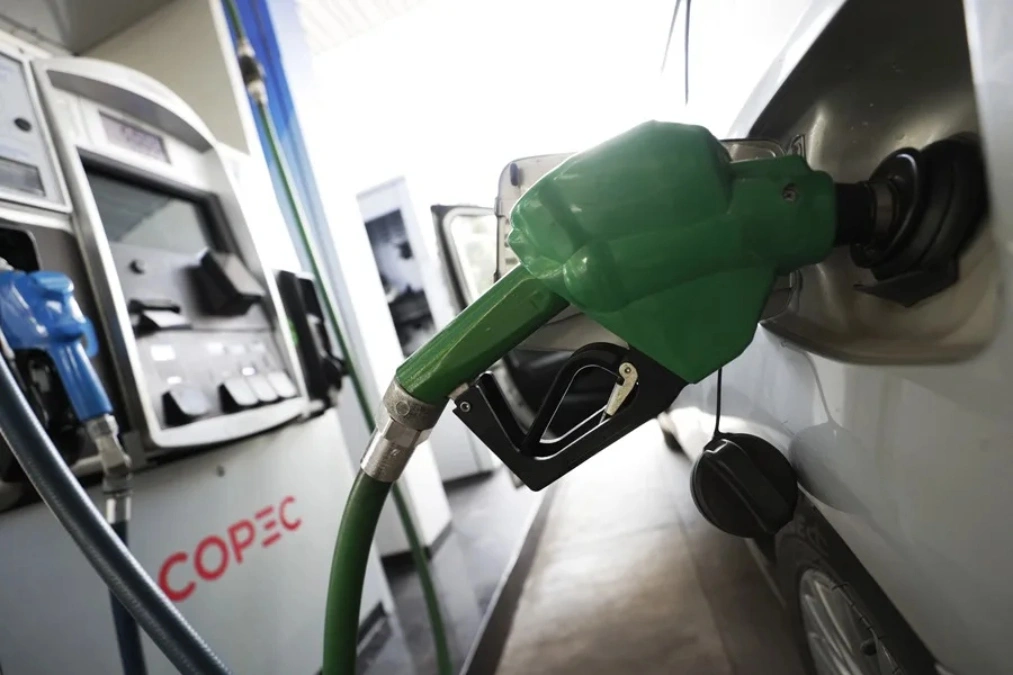
Truckers’ associations and independent transport operators intermittently blocked several routes in southern Chile on Monday in rejection of the fuel price increase.
Diesel averages $1.59 per liter, about 1,558 Chilean pesos. The increase has created a cost that hits freight transport squarely, a central link in the national supply chain and a sector dominated by smaller-scale operators.
RELATED: Coalition Against the Cartels of the Americas: 3 Major Risks for Chile
Freddy Martínez, spokesperson for the Central-Southern Truckers’ Confederation, said from one of the mobilization points that “this is a situation affecting small and medium-sized truckers, who make up 90%, who are bankrupt today, facing the uncertainty of not being able to support their families and educate their children. This is a complex situation that we have been raising since March.”
The main affected groups are asking for a four-month halt to the increases, a demand aimed at giving certainty to freight rates and work during the full harvest season. They also explained that “exports are coming, and with oil rising every 21 days we cannot set any rate, and that brings us economic anguish.”
🚨 Las asociaciones de camioneros iniciaron una movilización que mantiene cortadas varias rutas en el país, afectando el tránsito de camiones y el transporte de carga hacia faenas mineras y otras zonas.
🚛 Transportistas de la región de Tarapacá mantienen cortadas la Ruta 5… pic.twitter.com/s5fXfgICKm
— CHV Noticias (@chvnoticias) November 10, 2026
Back in March, the government of José Antonio Kast decreed a historic increase that sent gasoline up 32% and diesel up 62%. The decision came after the Fuel Mechanism (MEPCO) was modified because of the high cost it implied for the Treasury; the international oil price situation was cited as justification.
According to Martínez, the adjustment caused the price per liter to rise by about 700 pesos, equivalent to $0.72 at the current exchange rate. He said the situation worries the industry and argued that the State should not charge taxes on that amount through Value Added Tax (VAT) or the Specific Fuel Tax (IEC).
Martínez stressed that “that reduction must be retroactive and must be quick, because if we manage to ensure this is not taxed, we will have some breathing room, some oxygen to keep operating.”
From teleSUR English via This RSS Feed.