

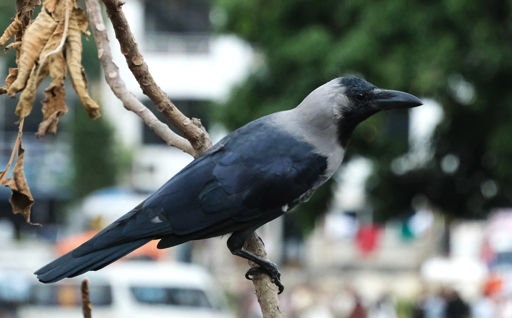
KATHMANDU — Ramesh Dulal was 13 years old when he began “communicating” with crows. He started making sounds resembling the crows, who would respond by gathering around him, he recalls. Popularly known as kagé, crows are called kaag in Nepali, and Nepal observes an annual day of the crow, called Kaag Tihar, which falls around the Hindu festival of Deepawali, or Diwali. On this day, Dulal, now 35, organizes what he calls the Crow Conference every year. This year, it was on Saturday last week, Nov. 7. At the event every year, Dulal, a folk music singer and activist who can produce the sounds of 100 birds in Nepal, holds a microphone and produces a series of guttural calls, “caw … caw … caw,” imitating a crow. As his calls echo through powerful speakers, flocks of crows gather from surrounding trees, rooftops and electrical poles. After several minutes, he stops and addresses the people who have come to witness the event. He speaks about the religious significance of crows and their ecological role. Then the conference ends. While Dulal wholeheartedly welcomes crows to his event, many residents in Kathmandu would rather shoo them away, especially after the birds were blamed for a bird flu outbreak at the Central Zoo. But crows are thriving in the city as trees disappear and waste piles up, and birds that live on scraps are gaining ground over those that need trees. A house crow looks on during the morning prayers at the Buddhist Bodha…This article was originally published on Mongabay
From Conservation news via This RSS Feed.