

This article by Braulio Carbajal originally appeared in the November 8, 2026 edition of La Jornada, Mexico’s premier left wing daily newspaper.
Meat consumption in Mexico has grown for five consecutive years, with chicken and pork as the favorite proteins, in a context of higher incomes for families due to wage increases and government support, according to the Mexican Meat Council (ComeCarne).
According to the organization, total consumption went from 9,062,000 tons in 2020 to 11,549,000 in 2025, a cumulative increase of 27 percent. Per capita consumption reached 85.3 kilograms in 2025.
Over that period, domestic production grew 17 percent, from 7,434,000 tons to 8,740,000, and imports 49 percent, to 3,273,000 tons from 2,199,000.
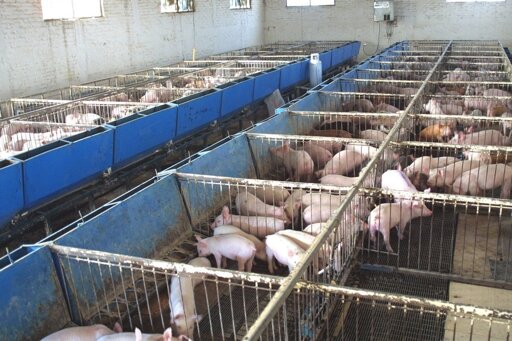
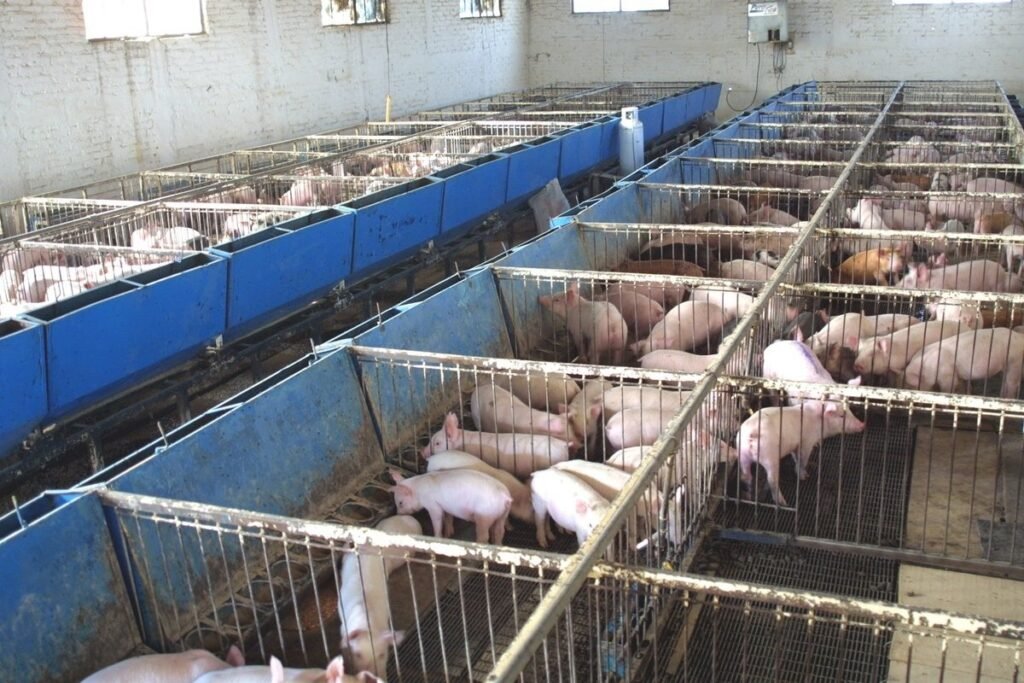
Pork consumption went from 2,440,000 tons in 2020 to 3,753,000 in 2025, a cumulative increase of 54 percent. Chicken, which accounts for 45 percent of national meat consumption, rose from 4,406,000 to 5,181,000 tons, 18 percent more in the same period. Beef consumption grew 20 percent, from 1,946,000 to 2,337,000 tons.
The organization’s executives agree that people’s income has been strengthened by the change in wage policy, which adds to other key actions such as government support for the most vulnerable population, lower inflation thanks to the Package Against Inflation and High Prices (Pacic), and an increase in remittances.
According to ComeCarne, the Pacic and the import quota mechanism “have helped contain food inflation.” From January to October 2026, the consumer price of chicken fell 4.5 percent and that of pork 2.8 percent, while the price of beef rose 7.4 percent.
Growth Moderates
Ernesto Salazar, the organization’s director of economic studies, specified that the pace of growth moderated this year. From January to September, chicken consumption rose 2.1 percent and pork 2.4 percent, while beef fell 2.4 percent. For the end of the year, the organization estimates an increase in total consumption of only 0.8 percent, compared with rates above 4 percent in previous years.
The executive explained that the wage bill resulting from wage reviews went from growing 7.9 percent in 2025 to 7.1 percent in 2026. He added that commercial banks recorded growth of less than 1 percent in credit card loans and that the exchange rate went from 17.64 to about 18.43 pesos per dollar. Added to this was the rise in energy and fertilizer prices due to the conflict in the Middle East.
Macarena Hernández, general director of ComeCarne, said consumption will continue to grow at a more moderate pace. She recalled that the country depends on imports to complement domestic production, which covers 76 percent of demand.
Likewise, the country produces 56 percent of the pork it consumes, and imports totaled 1,793,000 tons in 2025, equivalent to 47.2 percent of consumption. Self-sufficiency in chicken is 80 percent and in beef 99 percent, with imports of 318,000 tons last year. In addition, 80 percent of the chicken supply goes to traditional retail and 16 percent to industry.
From January to September, the slaughter of pigs in TIF establishments (subject to federal regulation) rose 15.9 percent, while in municipal slaughterhouses it fell 1.3 percent. In the same period, pork exports grew 15.5 percent and beef exports 20.1 percent.
For 2027, ComeCarne expects beef prices to rise 6 percent, pork 4.8 and chicken 3.3. Hernández said this behavior will depend on the decisions made regarding imports.
The United States Department of Agriculture projects that in 2027 chicken production will grow 0.8 percent and pork 1.1 percent; on the other hand, it expects beef production to fall 0.2 percent.
Salazar explained that the United States is the main supplier of meat to Mexico and that buyers from Asia compete for that supply, which is why Brazil is emerging as an alternative to supply part of the chicken and pork cuts.
-
Mexico Consumes More Meat Due to Wage Increases and Government Support, Producers Acknowledge
November 8, 2026
Consumption rose 27 percent from 2020 to 2025, to 85.3 kilos per person, though imports now cover nearly half of the pork the country eats.
-

Mexico Prepares Protocol to Recover and Repatriate Cultural Heritage Located Abroad
November 8, 2026
The goal: bring home archaeological pieces sold at auction or seized abroad, and stop the illicit trafficking that takes Mexico’s heritage out of the country.
-

Sheinbaum Delivers Homes in Chiapas; “Interest That Made Houses Unpayable Is No Longer Charged”
November 8, 2026
One borrower paid 338,000 pesos on a 104,000-peso loan and still owed 1.1 million; Sheinbaum says that scheme is over.
The post Mexico Consumes More Meat Due to Wage Increases and Government Support, Producers Acknowledge appeared first on Mexico Solidarity Media.
From Mexico Solidarity Media via This RSS Feed.