

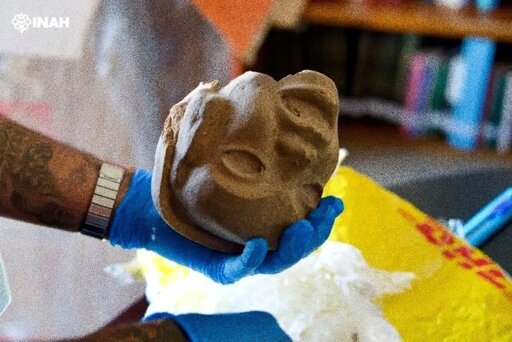
This article by El Chamuco Staff originally appeared in the November 7, 2026 edition of El Chamuco, a Mexican political cartoon and news magazine.
(NOVEMBER 7, 2026).- The Government of Mexico is moving forward in drafting a protocol to coordinate the recovery and repatriation of Mexican cultural property located abroad, as well as to strengthen institutional actions against the illicit trafficking of heritage.
The Secretariat of Culture, through the National Institute of Anthropology and History (INAH), the Secretariat of Foreign Affairs (SRE), and the United Nations Educational, Scientific and Cultural Organization (Unesco), held the second working workshop to develop the document called the Protocol for the Repatriation and Recovery of Cultural Property.
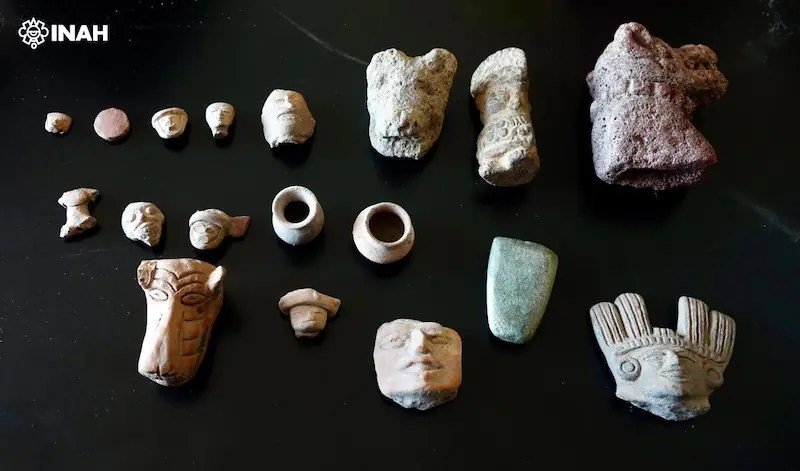
Photo: INAH
The meeting took place on November 4, 2026, at the National Museum of History, located in Chapultepec Castle, with the participation of officials and specialists from the institutions involved.
INAH’s technical secretary, José Luis Perea González, said that the defense and preservation of cultural heritage requires close collaboration between institutions to establish mechanisms for protection and repatriation.
INAH post on X
He explained that the document seeks to build a proposal for an institutional policy to recover, restitute and repatriate cultural property. He also highlighted its relationship with the cultural rights of Indigenous and Afro-Mexican peoples, whose communities promote the conservation of their heritage through spaces such as community museums and temples.
For his part, INAH’s director of World Heritage, Francisco Vidargas Acosta, explained that the protocol will be a document open to updating as the problems, contexts and international norms related to the recovery of cultural property change.
Unesco’s national culture officer in Mexico, Carlos Tejada, highlighted the joint work and noted that eradicating the illicit trafficking of cultural property is one of the relevant issues of international cooperation.
What Does the Protocol Include?
The document will consist of ten sections: presentation; general framework and background; legal and regulatory framework; competent authorities; strategies and guidelines for action; general course of action; public registry of cultural property; follow-up, safekeeping and destination; glossary of terms, and implementation instruments.
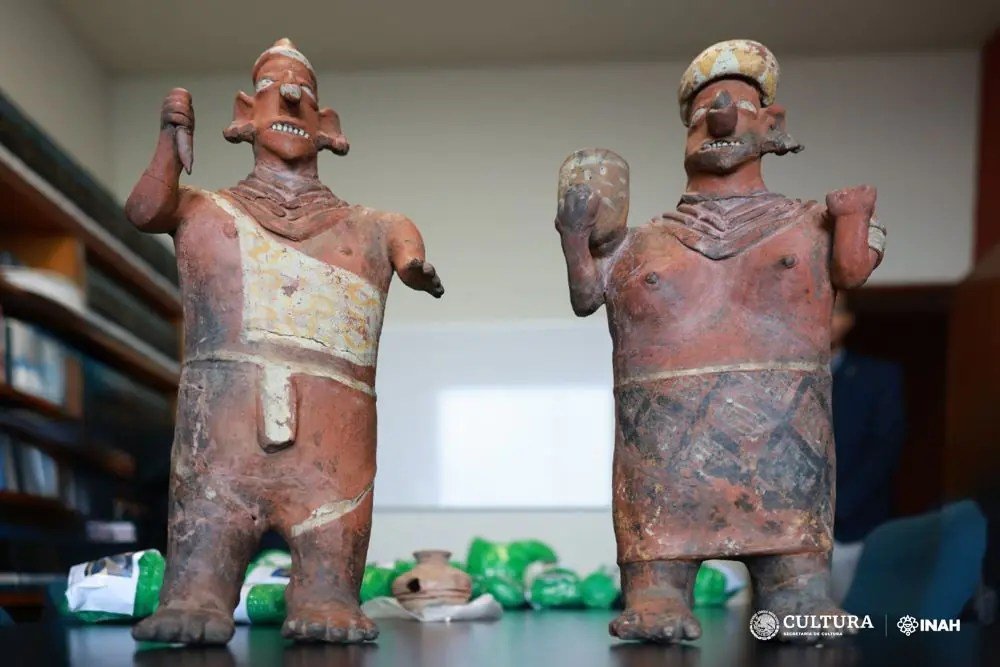
Photo: Secretariat of Culture / INAH
Its scope covers cases in which INAH learns of heritage objects of possible Mexican origin located in other countries and those that require its intervention to identify, analyze, document, manage, receive, safeguard or follow up on them.
Among the scenarios considered are sales and auctions of cultural property, as well as seizures, confiscations, forfeitures and voluntary handovers that require a coordinated institutional response.
The work continues the Cooperation Workshop for the Recovery and Repatriation of Cultural Heritage, held on June 26 and 27, 2025, in Hermosillo, Sonora. At that meeting, lines of collaboration and exchange of experiences were established among different areas of INAH, the Secretariat of Foreign Affairs and Unesco’s representation in Mexico.
In the second session, among other officials, INAH’s national coordinators of Archaeology and of Cultural Heritage Conservation, Francisco Mendiola Galván and Thalía Velasco Castelán, took part, along with representatives of the institute’s centers in seven states in the north of the country and authorities of the National Museum of History.
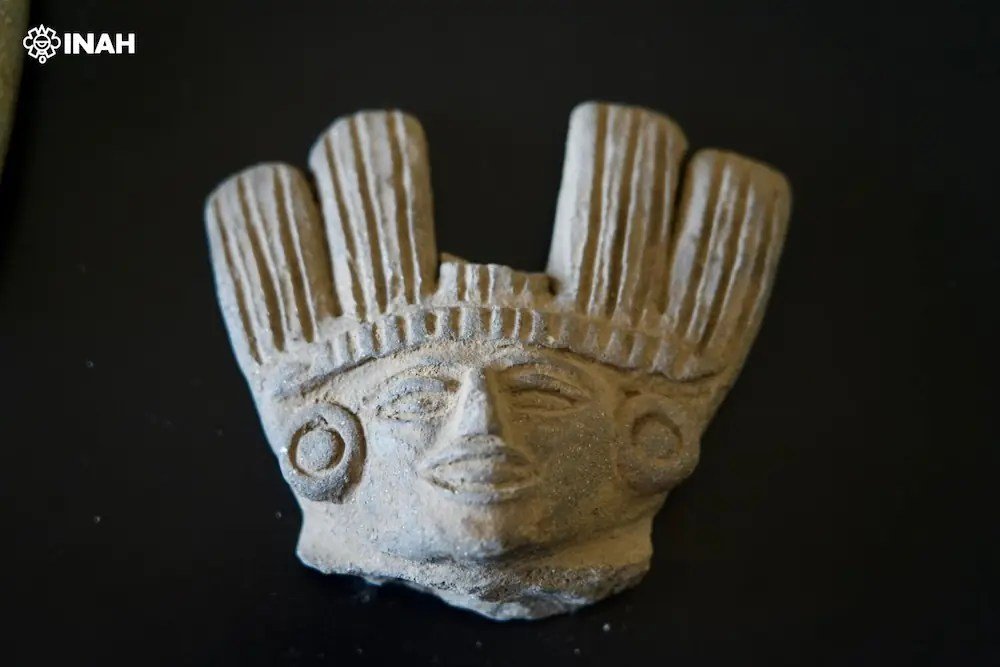
Photo: INAH
On behalf of the Secretariat of Foreign Affairs, María José Buerba Romero, director for the Restitution of Cultural Heritage, and María de Lourdes Ruíz Pastrana, director of Cultural Diplomacy, took part.
The drafting of the protocol seeks to establish criteria and procedures so that Mexican institutions act in a coordinated manner when heritage property is located abroad, and the processes necessary to achieve its recovery.
-
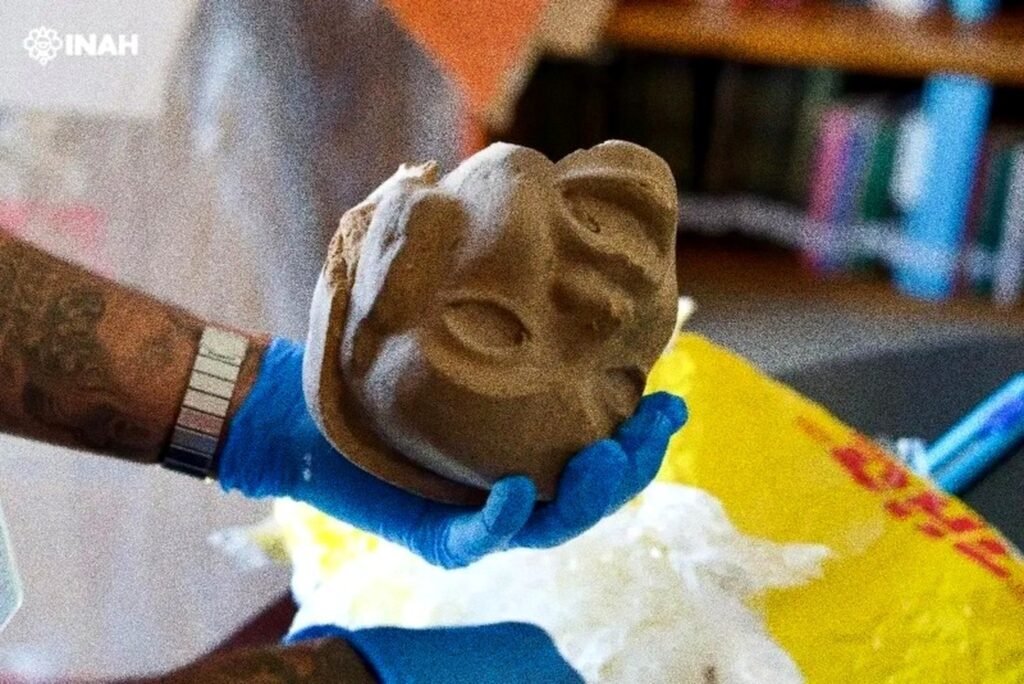
Mexico Prepares Protocol to Recover and Repatriate Cultural Heritage Located Abroad
November 8, 2026
The goal: bring home archaeological pieces sold at auction or seized abroad, and stop the illicit trafficking that takes Mexico’s heritage out of the country.
-
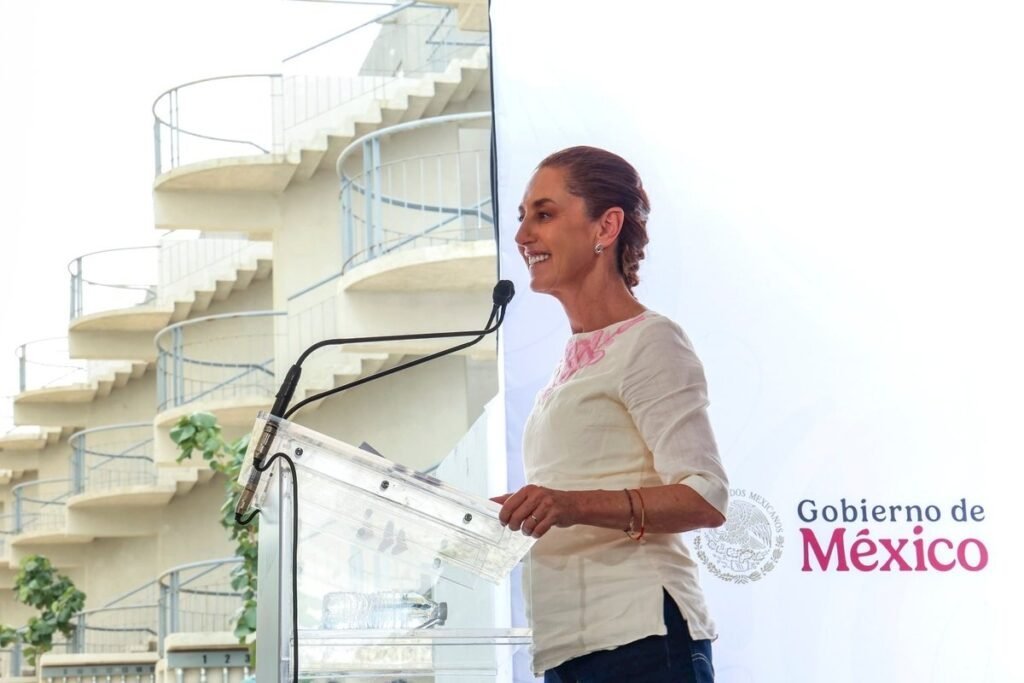
Sheinbaum Delivers Homes in Chiapas; “Interest That Made Houses Unpayable Is No Longer Charged”
November 8, 2026
One borrower paid 338,000 pesos on a 104,000-peso loan and still owed 1.1 million; Sheinbaum says that scheme is over.
-
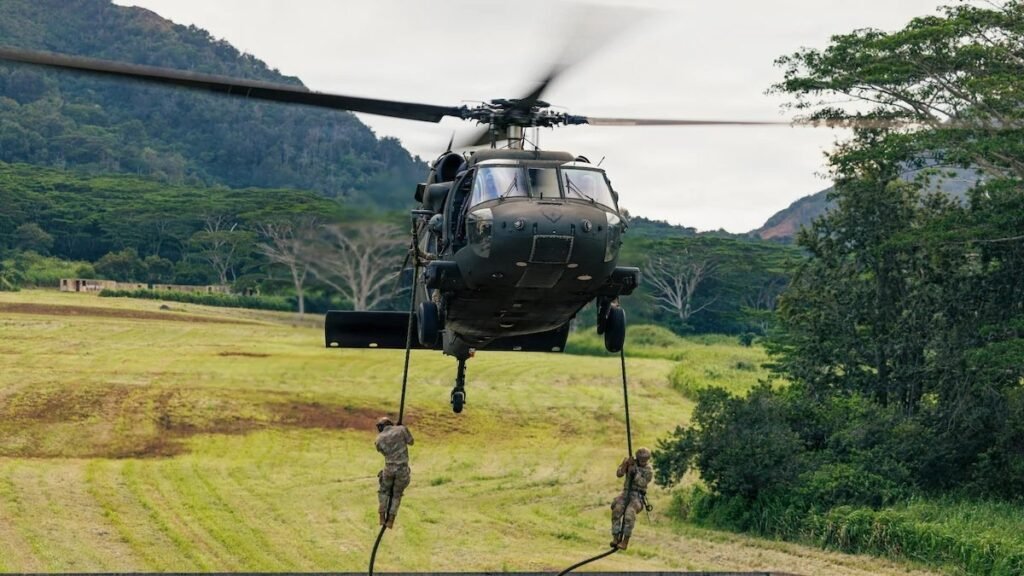
US Approves Selling Mexico 11 Black Hawk Helicopters for 20 Billion Pesos
November 7, 2026
The deal works out to nearly US$98 million per helicopter, counting the 27 engines, GPS navigation systems and satellite radios included in the package.
The post Mexico Prepares Protocol to Recover and Repatriate Cultural Heritage Located Abroad appeared first on Mexico Solidarity Media.
From Mexico Solidarity Media via This RSS Feed.
Do you think they have a volunteer (paid?) spy program where we can pretend to be the Pink Panther?
