

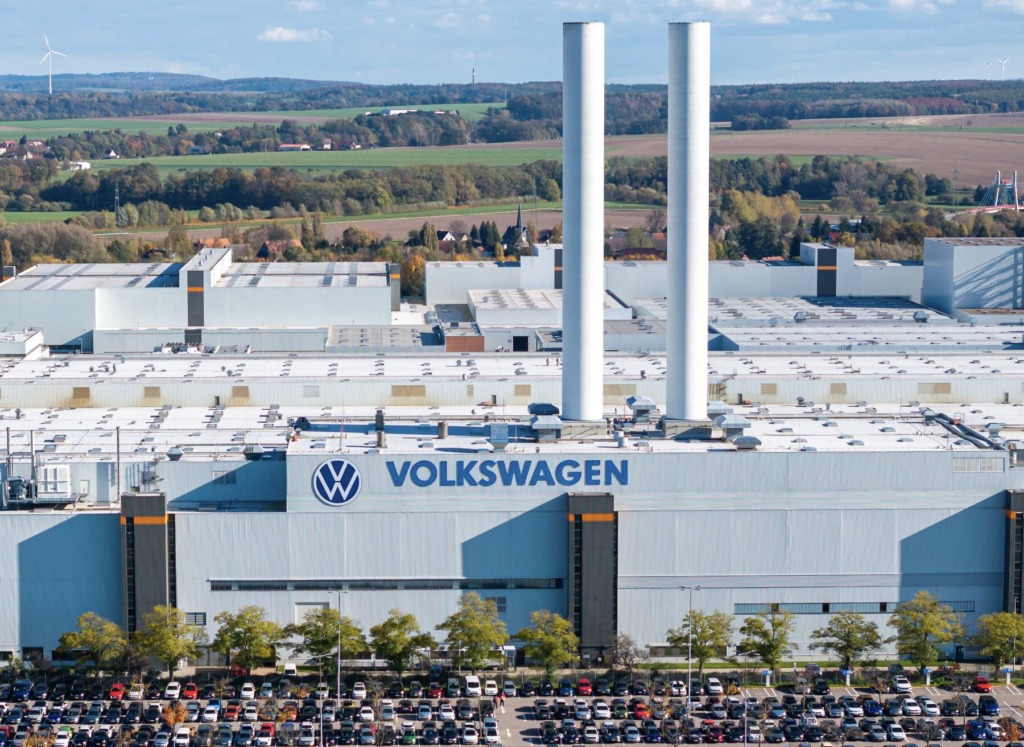
The company had instructed collective bargaining agreements without wage increases until 2030.
On Friday, German weekly Der Spiegel reported that Volkswagen has softened its proposal for a global wage freeze until 2030, replacing a stricter policy initially proposed to contain labor costs.
RELATED: Germany’s BMW to Cut 8,000 Jobs Worldwide by End of 2027
In October, the company had instructed its human resources managers to negotiate collective bargaining agreements without wage increases until 2030. Reductions in bonuses, overtime pay, and other benefits were also being considered.
However, a subsequent internal document modified the approach. Instead of imposing a general wage freeze, the text proposes a reduction in labor costs to reach competitive levels, with a freeze being considered a possible measure.
The new version also removes explicit references to cutting variable employee compensation. Although Volkswagen did not officially comment on the change, it cited the confidentiality of the internal documents published by German media.
German car giant Volkswagen will cut 100,000 jobs by the end of the decade in the biggest restructuring in global auto industry history.
Four German plants face an uncertain future as the carmaker battles US tariffs and Chinese competition.
🔴 More on https://t.co/MbrRGkFd1I pic.twitter.com/D7HZ1jgEmX
— Al Jazeera English (@AJEnglish) September 4, 2026
Representatives of the international works council welcomed the modification. They believe that a decision made at headquarters in Wolfsburg cannot impose a wage freeze on hundreds of thousands of workers for several years.
The issue has generated concern among unions: in Spain, CCOO and UGT categorically rejected any attempt to freeze wages until 2030 and attributed the current situation to strategic errors by management.
According to the leaked documents, the measure could affect a large portion of the group’s 600,000 employees worldwide and cause a real loss of revenue of around 10%.
#Germany | The far-right AfD won 43.8% of the vote in Saxony-Anhalt, becoming the first far-right party to win a German state election since WWII.
The historic result challenges Germany’s political “firewall” against the far right amid growing economic and political discontent.… pic.twitter.com/YdIOPZcbG0— teleSUR English (@telesurenglish) September 7, 2026
teleSUR: JP
Source: EFE
From teleSUR English via This RSS Feed.