

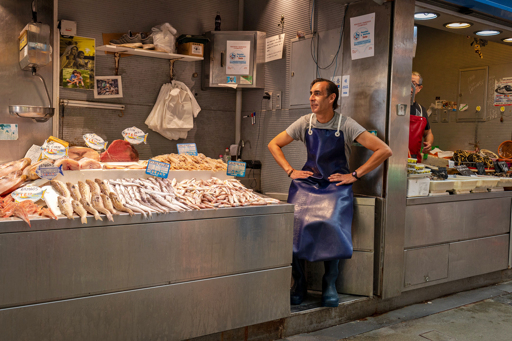
The international organization responsible for regulating fisheries in the Mediterranean and Black seas concluded its annual meeting with the adoption of new management plans for some iconic species. However, it declined to pass expected fishing restrictions to protect certain ecologically important habitats. Half of all assessed species in the region are overexploited. The 49th session of the General Fisheries Commission for the Mediterranean (GFCM), a body of the U.N. Food and Agriculture Organization (FAO), took place in Rome Oct. 26-30, bringing together 23 member countries and the European Union. The meeting achieved some milestones, including establishing long-term harvest strategies for European hake (Merluccius merluccius) and deep-water rose shrimp (Parapenaeus longirostris) in the Strait of Sicily, and for giant red shrimp (Aristaeomorpha foliacea) in the Strait of Sicily, the Ionian Sea between Greece and southern Italy, and the Levantine Sea in the easternmost Mediterranean. However, the commission postponed making a decision on the establishment of two Fisheries Restricted Areas: One covering a cold-water coral reef between Spain and Morocco, and another expanding protection for deep-sea areas. Both proposals had broad agreement just a few months earlier, observers said. “It is disappointing that, despite multiple proposals to restrict fishing to protect sensitive habitats, countries could not reach agreement and instead delayed adoption,” Esther Wozniak, senior policy officer for sustainable fisheries at the U.S.-based NGO The Pew Charitable Trusts, who took part in the meeting as an observer, said in a press release. “There was, however, important progress on improving fisheries management that…This article was originally published on Mongabay
From Conservation news via This RSS Feed.