

Bullets:
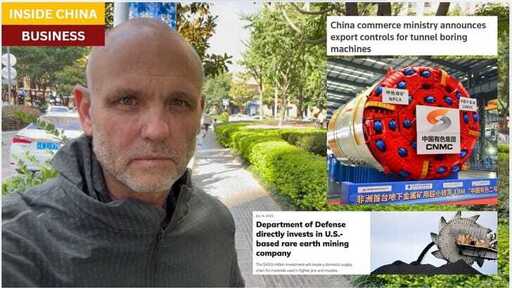
China leads the world in the manufacture and export of tunnel boring machines (TBM), which are crucial in very large civil engineering projects.
TBM’s are also widely used by mining companies worldwide. They can reach depths far deeper, and can dig tunnels far faster, than traditional techniques.
China’s Commerce Ministry has new export restrictions on TBM’s, and on the firms selling the gear, and replacement parts.
The new regulations allow for China’s key trading partners to access the equipment, which will further deepen their monopolies on critical minerals mining.
Inside China / Business is a reader-supported publication. To receive new posts and support my work, consider becoming a free or paid subscriber.
Report:
Good morning.
Three weeks ago the Ministry of Commerce announced new export controls on tunnel boring machines. It’s those giant things that are most commonly used to dig tunnels for subways, and highways and roads through mountains, and even undersea. It’s not a hard ban; Chinese exporters need to apply for a license, and follow the same procedures that apply to dual-use products and materials.
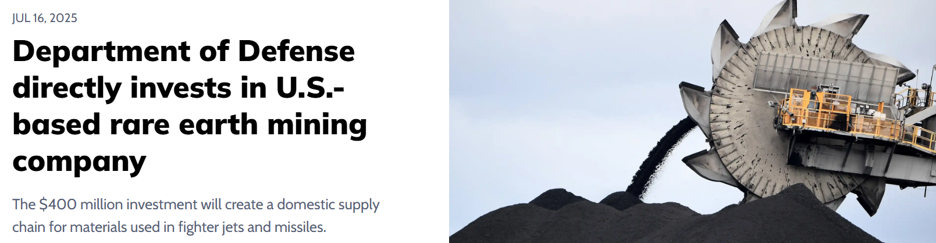
Those have both civilian and military applications, and it’s those Chinese export restrictions on rare earth materials and magnets that have weapons makers getting into the mining business:
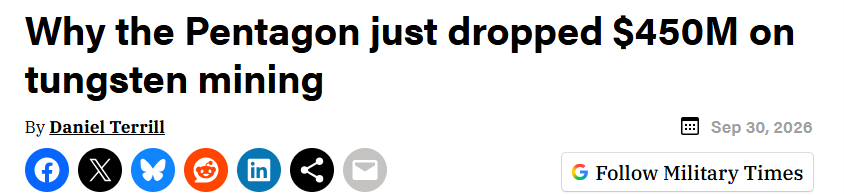
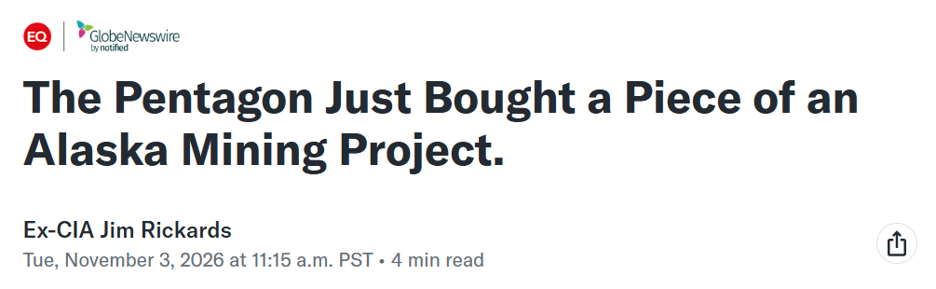
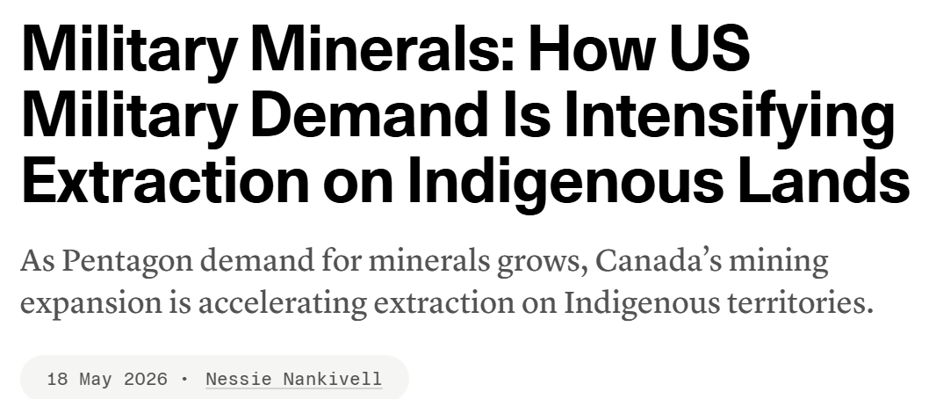
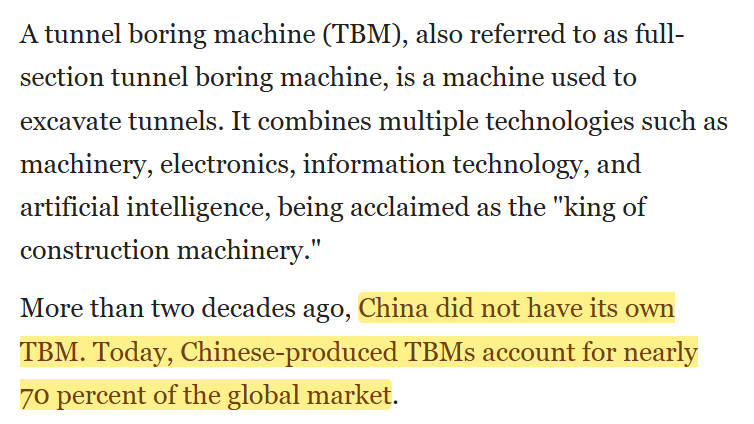
Tunnel Boring Machines is a technology and industry that didn’t much exist anywhere at all 50 years ago, and thirty years ago didn’t exist here. In 2000, China Railway decided they needed some, and many of the engineers assigned to the project had never even seen one before. Eight years later the first one went online. By 2012, China was exporting them, first to Malaysia, then to Singapore, and later to Europe. And now China makes more than the rest of the world, combined.
These machines are getting bigger. The diameter for their newest model is 17.5 meters. And besides just smashing through rock and earth, TBM’s lay concrete to build tunnel walls, and sewer lines.
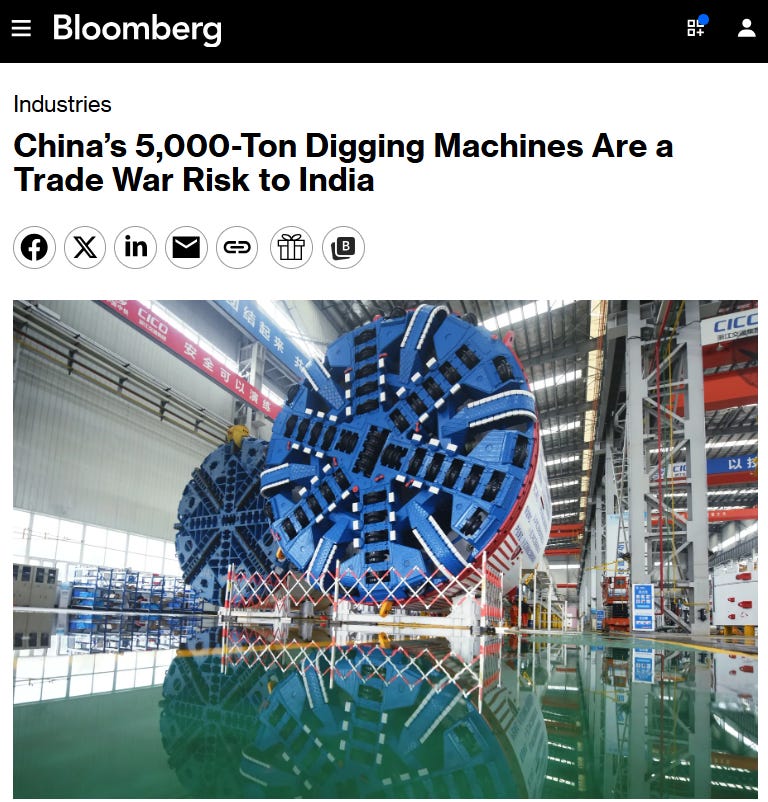
This is Bloomberg’s take, which we think is off. The machines weigh thousands of tons, they’re some of the most complicated pieces of equipment anywhere, China dominates the market for them, India is one of China’s biggest customers, and Bloomberg therefore assumes that the ban is aimed at India.
Major construction projects are sources of chokepoints, on the heavy equipment side. It’s a critical factor slowing down the buildouts of the data centers in North America, for example, where the shortages of power generation equipment mean that billions of dollars’ worth of GPU’s can’t get plugged in.
Bloomberg assumes that China’s Commerce Ministry is targeting India’s mass transit plans, and points out that India is building railroads in the Himalayas and will need boring machines to get the tunnels built, and that China probably has a strategic interest—a military objective–in slowing all that down. India does manufacture tunnel boring machines, but not yet at anywhere close to the weight and diameter of the ones they buy from China, and from other countries.
India is likely to expand their domestic industry for the manufacture of TBM’s, but there is another challenge in sourcing replacement parts for the equipment they’ve already bought from China.
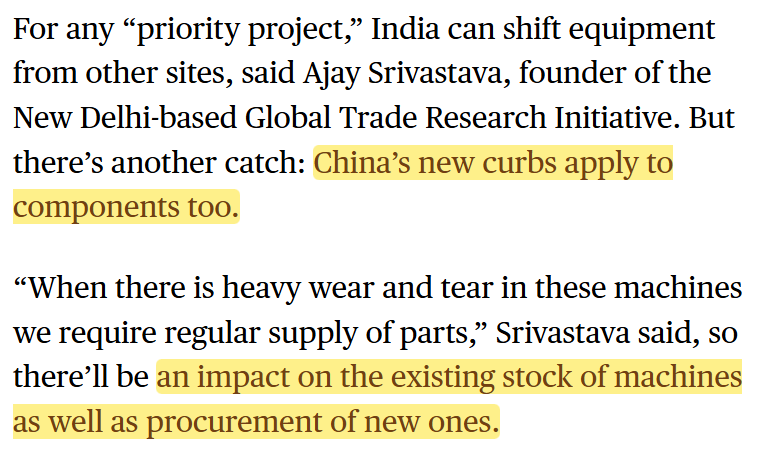
They require lots of maintenance, and parts suffer from very heavy wear and tear, which means that operators need a lot of components on hand, and mechanics who can service them. Times of India copy and pasted most of what Bloomberg says, including the conclusion that China’s export restrictions are intended to push back the day that Indian tunnels can be built in the mountains and their troops can more easily move around.
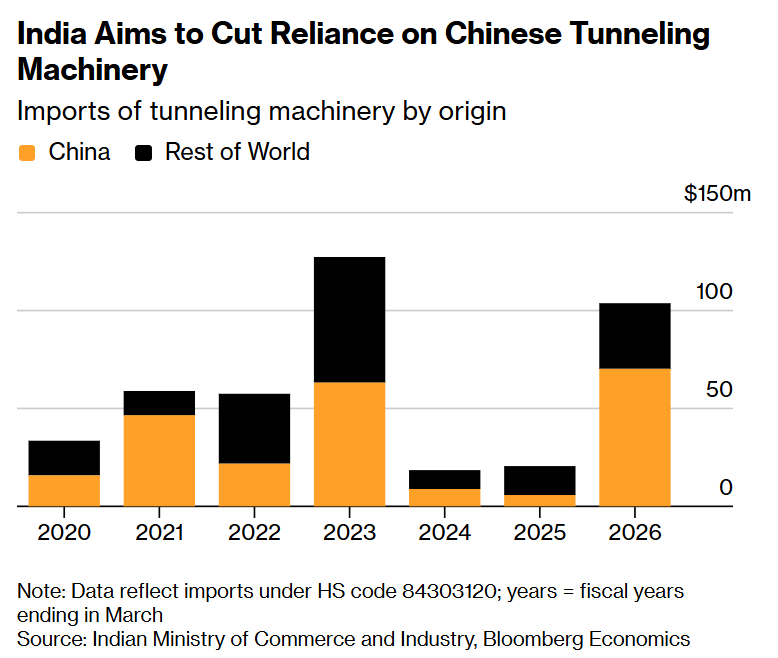
India is dependent on China for those machines, and given that China makes them bigger and heavier than anyone, and more than twice the rest of the world combined, the Indians have a long way to go to catch up. India’s Commerce Ministry is putting a brave face on things: New Delhi will not yield to pressure or make concessions to get it from China, and will just build TBM’s themselves if the Chinese won’t give them theirs. “India is not someone who will give in.”
So we’ve seen this movie a hundred times, where China went from zero to best-in-class in twenty years, and everything required to build them is sourced in-country. China today has a fleet of over 5,000 TBM’s, and the newest-generation models can dig curved tunnels. That makes them particularly important in cities that are already developed and where new infrastructure projects require equipment that can thread their way around.
Here’s where we think Bloomberg and the Indians may be worried about the wrong thing. We learned of the proposed ban on this equipment, and never considered that it was intended to stop new subway construction in Mumbai. Instead, it’s to strictly control how and where these machines are used in the mining industry, which is also heavily dependent now on this gear.
Mining companies use tunnel boring machines for deep-earth excavation, taking them over a thousand meters down. Engineers are turning to tunnel boring machines, which can go deeper and tunnel farther, compared to the methods used before. D&B is drilling and blasting.
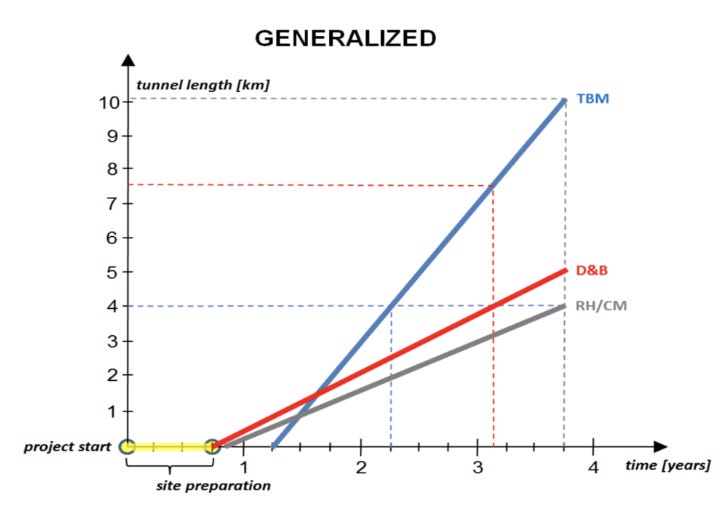
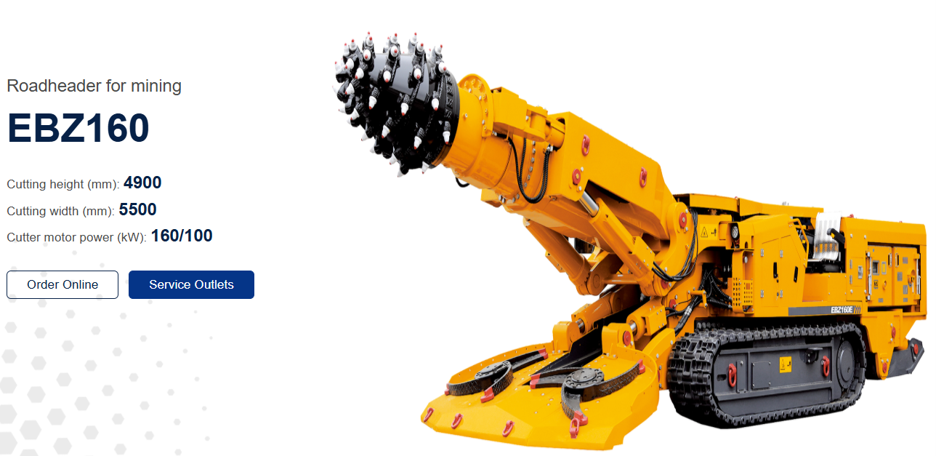
RH is Roadheader; CM is continuous miner. TBM is the blue line. So what this chart shows is that for mining operations, drilling and blasting, or RH and CM operations can begin within the first year Here are some examples of those machines.
These are roadheaders; EBZ is from XCMG, which is a Chinese manufacturer of RH machines:
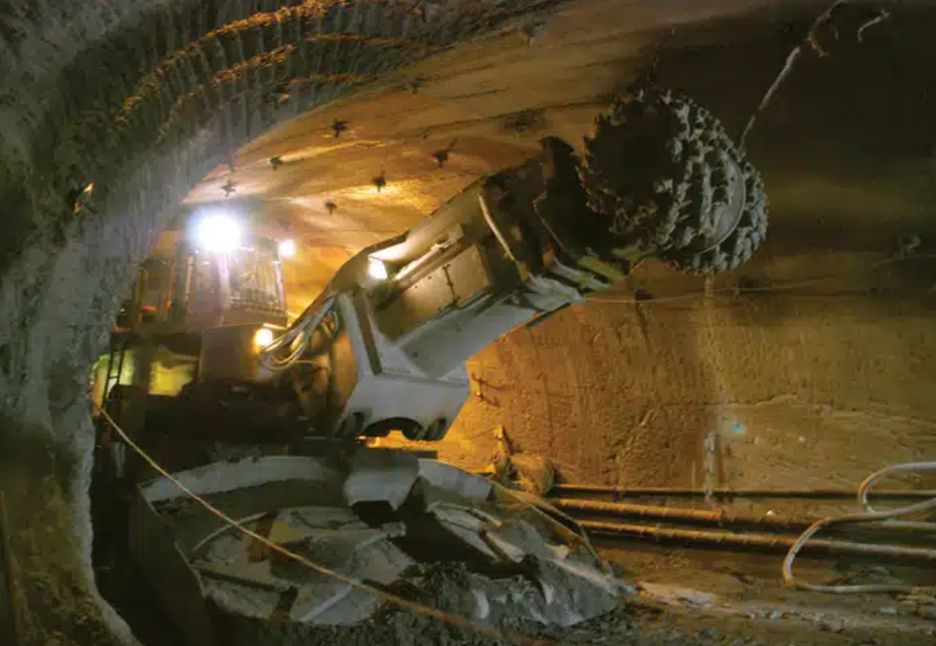
Continuous Miner machines look like these:
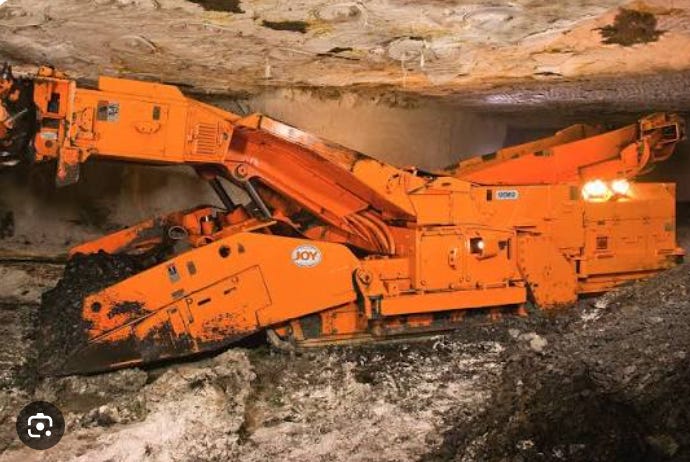
But Tunnel Boring Machines are preferred for large mining operations, because they can tunnel farther in less time. It does take longer for the initial site surveying and prep for Tunnel Boring, but then the excavation profile is smoother, and requires fewer people on-site to support operations.
TBM’s are also safer than using explosives, and machine operators are at a safe distance compared to roadheading or continuous mining.
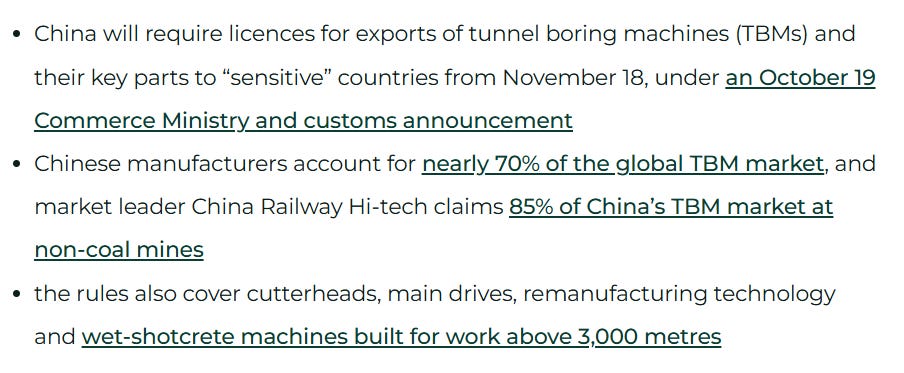
The Oregon Group went a different direction than the analysts at Bloomberg, and sees the Chinese export restrictions the same way we do: these are mining machines, and it wouldn’t do for Chinese regulators to put on export bans for critical minerals and rare earths, while at the same time selling the world’s most advanced machines for Pentagon contractors who just are just getting started in the mining business.
This is still a niche market, compared to shipbuilding or cars. Total exports of tunneling machinery for China and the United States combined is under $1 billion a year:
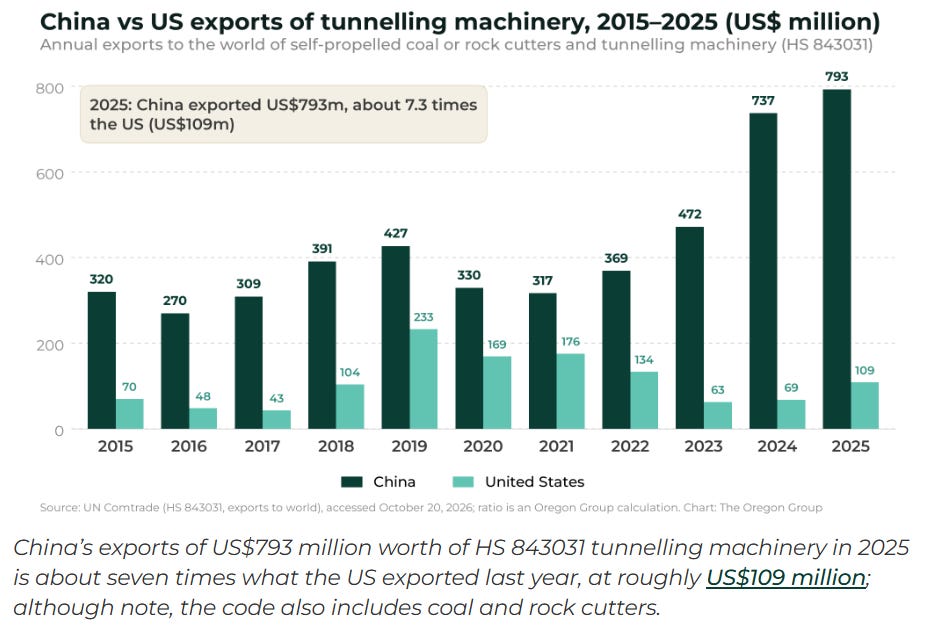
It is in the mining industries where tunnel boring machines make a deep impact, and where China has a deep interest in regulating where they go. Last year, China exported boring equipment to Africa.
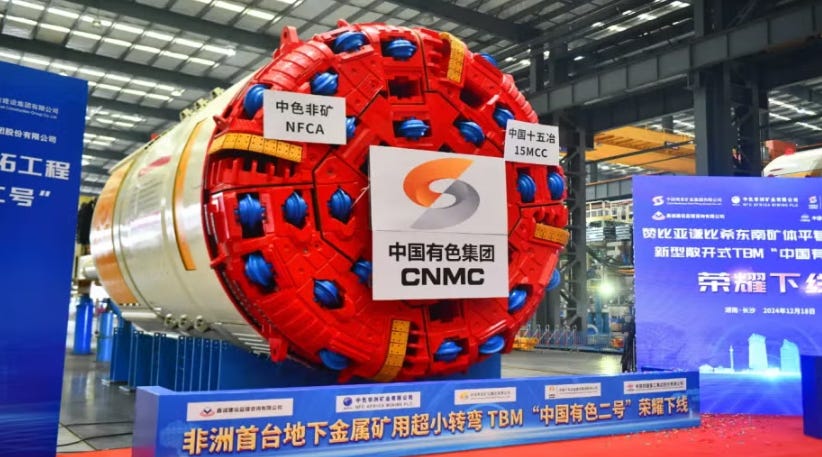
This is a smaller model than the ones used in civil engineering. But now it’s online in Zambia, and is pulling three million tons a year of copper ore out of the ground.
And copper is another strategic material that the world doesn’t have nearly enough of. Zambia is the second largest exporter of copper in Africa, and China and Zambia have strong diplomatic and economic ties, and are now doing a lot of that copper business outside the US dollar. And with Chinese tunnel boring machines.
Be Good.
Resources and links:
China commerce ministry announces export controls for tunnel boring machines
https://www.reuters.com/world/asia-pacific/china-commerce-ministry-announces-export-controls-tunnel-boring-machines-2026-10-19/
China to restrict exports of mine-building tunnel machines
https://theoregongroup.com/latest-news/china-tunnel-boring-machine-export-controls/
China’s tunnel boring machine industry achieves leapfrog development
https://en.people.cn/n3/2024/0510/c90000-20167966.html
China’s tunnel boring machine sector leaps ahead, manufacturing 7 out of 10 TMBs used globally
https://www.globaltimes.cn/page/202409/1319141.shtml
World’s largest manufacturer of tunnel boring machines challenges US in innovation
https://interestingengineering.com/innovation/world-largest-manufacturer-tunnel-boring-machines
China’s 5,000-Ton Digging Machines Are a Trade War Risk to India
https://www.bloomberg.com/news/articles/2026-11-02/china-s-5-000-ton-digging-machines-are-a-trade-war-risk-to-india
China to restrict exports of giant tunnel-digging machines
https://timesofindia.indiatimes.com/business/india-business/china-to-restrict-exports-of-giant-tunnel-digging-machines-why-india-could-be-affected/articleshow/135450200.cms
India vows to dig its way out of China machinery curbs
https://www.scmp.com/week-asia/economics/article/3373301/india-vows-dig-its-way-out-china-machinery-curbs
A Modern Take on Mining Technology
https://www.robbinstbm.com/about/advancements/tbms-in-mining/
CRCHI exports mining tunnel boring machine to Africa
https://www.tunnelsandtunnelling.com/news/crchi-exports-mining-tunnel-boring-machine-tbm-to-africa/
Zambia to settle some copper sales in Chinese yuan as Africa’s biggest trading partner steps up challenge to dollar dominance
https://africa.businessinsider.com/local/markets/zambia-to-settle-some-copper-sales-in-chinese-yuan-as-africas-biggest-trading-partner/7yhd30q
10 countries in Africa control 98% of the continent’s copper export value
https://intelpoint.co/insights/just-10-countries-in-africa-control-98-of-the-continents-copper-export-value/
Export curbs imposed on tunneling machines
https://www.chinadaily.com.cn/a/202610/19/WS6ad6327be4b06d4aa05639f8.html
Roadheaders in Tunneling
https://tunnelingonline.com/roadheaders-tunneling/
Inside China / Business is a reader-supported publication. To receive new posts and support my work, consider becoming a free or paid subscriber.
From Inside China / Business via This RSS Feed.