

Traveling through the Hilario Luna y Luna and Guarico parishes of the Morán municipality in Lara State means connecting with a land full of history, struggle, and resistance. It is also home to thousands of hard-working small-scale coffee-producing families who share a culture of collective work to improve their living conditions. Common problems often call for joint solutions, such as coming together to repair roads, or pooling coffee contributions to rent heavy machinery.
This time of year, everything revolves around the harvest, which holds the key to surviving for another year. For many campesinos, whatever they can get for their quintals [around 46 kilos] of coffee can be their only source of income. It is the basis for planning the daily reproduction needs, including food, clothes, healthcare, and tending to the land, which requires maintenance, fertilizer, fuel, and other inputs for the next sowing cycle.
As such, prices, yields, bean quality, as well as any unforeseen setbacks, will shape campesino lives until the next cycle. Underwhelming revenues can leave producers at the mercy of loans that often entail “paying double.” In other words, for every quintal loaned, or its money equivalent, the campesino must pay back two in the next harvest. This further shrinks the margin of error, in a context where inputs, fertilizers, machinery, etc., in the countryside are fully subjected to the market dictates and the interests of agribusiness corporations.
Therefore, the yearly setting of the quintal price is a matter of life or death for thousands of small and midsize coffee producers, with plots ranging from a few hundred square meters up to 8 hectares.
The prices on paper
On September 12, an agreement on coffee harvest prices by quality was reached at the Land Institute (INTI) headquarters in Caracas. It followed a review of cost structures and several preliminary meetings. The accord was signed by representatives of Venezuelan coffee producers and private processing and roasting companies. The talks were mediated by the Agriculture Ministry and the state-run Venezuelan Coffee Corporation.
| Coffee type | Price (USD per quintal) |
|---|---|
| Grade 1 (Excelso) | Direct negotiation between buyer and coffee producer |
| Grade 2 (Gourmet) | Direct negotiation between buyer and coffee producer |
| Grade 3 (Washed type A) | 310 |
| Grade 4 (Washed type B) | 300 |
| Grade 5 (Washed type C) | 295 |
| Robusta | 270 |
As I toured the villages in the aforementioned parishes, there was one common complaint: “the established prices are not being upheld,” in reference to both the coffee-roasting plants and the traditional intermediaries. This has been a recurring issue in recent years.
From October 12 to October 24, prices varied between $205 and $245 per quintal, significantly below the agreed-upon figures. And though there was a slight upward trend, time runs against producers, especially the smaller ones. They must sell in order to settle pending debts or meet other financial commitments from the harvest work. At the same time, according to local sources, buyers are paying $280 or $285 for shipments of 50 quintals or more, volumes that only large-scale producers can meet.
Rural organizations have denounced the low prices in multiple protests in Portuguesa State, another region with a coffee-producing track record and with a concentration of agroindustrial corporations. However, there has been no response from the Venezuelan government. Since mid-October, dozens of producers have demonstrated outside the headquarters of the Botalón and Amanecer corporations, two of the biggest Venezuelan agribusiness corporations. Campesinos hold them directly responsible for disregarding the established prices.
On October 23, Agriculture Minister Vladimir Padrino López visited Guarico, and some expected that he would comment on the price issue. But the only visible outcome of his visit was social media content. There were no meetings with coffee growers, at least no small-scale ones (the videos were recorded in corporate properties), and there were no talks with local authorities.
Thus far, there has been no sign of the set prices being respected. An important factor may be the fact that they were not published in the Official Gazette as usual, which would grant more legal weight to the complaints. In contrast, what was spread on social media and reported on by some private media outlets was just the first of three pages in the document. Unfortunately, neither the Agriculture Ministry nor the Venezuelan Coffee Corporation has issued any press statement on the matter.
Bad harvest
Another recurring theme in conversations with local campesinos was the low yield of this year’s harvest. It is commonly said that good and bad years alternate, that picking the fruits of the good years “hurts the plants,” meaning the next cycle will be used to recover and yield less.
But on this occasion there was a different explanation. Throughout the year, the area has been hit by heavy rain, and coffea plants did not “enjoy summer” in February and March. As a result, flowers did not fully bloom, leading to fewer fruits. Some producers noted that in many cases only half the bean was properly developed.
This phenomenon is more prevalent in varieties that are not robusta, the one that fetches lower prices in the recent agreement. The canephora plants have produced a good harvest. Canephora is a robusta variety, native to central and western sub-Saharan Africa, that has quickly spread throughout this entire region in recent years. In certain ways it resembles the creole coffee that has practically vanished from fields.
It is a plant that carries a big load, with heavy beans. It takes 12 or 13 20-liter cans to reach a quintal, as opposed to as many as 18 for other varieties. It requires little maintenance, though its size makes harvesting more cumbersome. Local families are tempted to ditch all other coffee plants and focus exclusively on canephora, despite the lower price per quintal. But some warn that it would be a mistake. Planting a single variety increases the risk of losing everything to disease.
Between survival and exports
Most debates surrounding coffee identify the need to improve quality, which seems to be a broad consensus. But for small-scale producers, who contribute the bulk of the harvest, doing so requires a comprehensive public policy grounded in their specific circumstances and needs.
One of them, circling back to the original issue, is ensuring that the established prices are adhered to. Failing that, it is impossible for campesinos to sustain their activity and plan long term. If intermediaries and coffee-buying firms simply purchase “in bulk,” with little concern for quality, they reduce the incentive to improve it. If companies are going to mix grade A and grade C washed coffee beans, or mix with robusta, while paying the same low price, then why bother with a better plant?
Nowadays, many producers are drying their coffee with the shell, without depulping, though it reduces the bean quality, to then hull and sell. Very few dry their harvests in the sun, not only because of recent rainfall, but also to make the process faster. They resort to diesel-powered dryers, which generate a heat-producing flame that then needs to be spread with a wheel and an engine. The process also requires electricity, bringing another recurring complaint: blackouts and surges slow down drying. Beans require 24 to 36 hours, depending on the machine, the amount of coffee, and whether it has been depulped.
The local producers I talked to acknowledged that the government’s diesel distribution has been effective. There is a schedule, with a price of $50 per 200-liter drum, far cheaper than the $120 it costs in gas stations, though there are complaints about diesel being diverted to a black market. But all in all, it is considered a positive policy, though tighter oversight is needed to address vulnerabilities.
The policy is also appreciated because it is adapted to a technology that has become widespread in recent years, but runs counter to quality-improving recommendations. The Venezuelan Coffee Corporation is pushing African raised beds, for instance, for sun drying. This method was visible in Padrino’s social media videos.
This is one of the main avenues to improve coffee quality, but mostly geared toward large-scale producers. These are the ones with an entire chain connecting research centers, processing industries, and public institutions, with the main focus on export. The Venezuelan government has identified coffee as an export staple as it searches for new sources of foreign income. Nevertheless, though the export priority has permeated communal initiatives, this policy is mostly geared toward agribusiness corporations, built on their logic of accumulation and profiting from the effort of small and midsize producers.
This does not mean that small-scale campesinos cannot improve bean quality and export their harvests. There are already positive precedents in that regard. However, there is no comprehensive policy to support their efforts and expand grassroots initiatives.
In contrast, land hoarding is on the rise, with ever more huge plantations. These are presented as necessary to improve productivity and quality, so as to yield foreign currency from exports and contribute to “prosperity.” This trend marks a significant shift in the coffee-producing environment and can put small producers, their production techniques, their livelihoods, and shrinking land at risk. Even more so if the established harvest prices are not upheld.
-
[
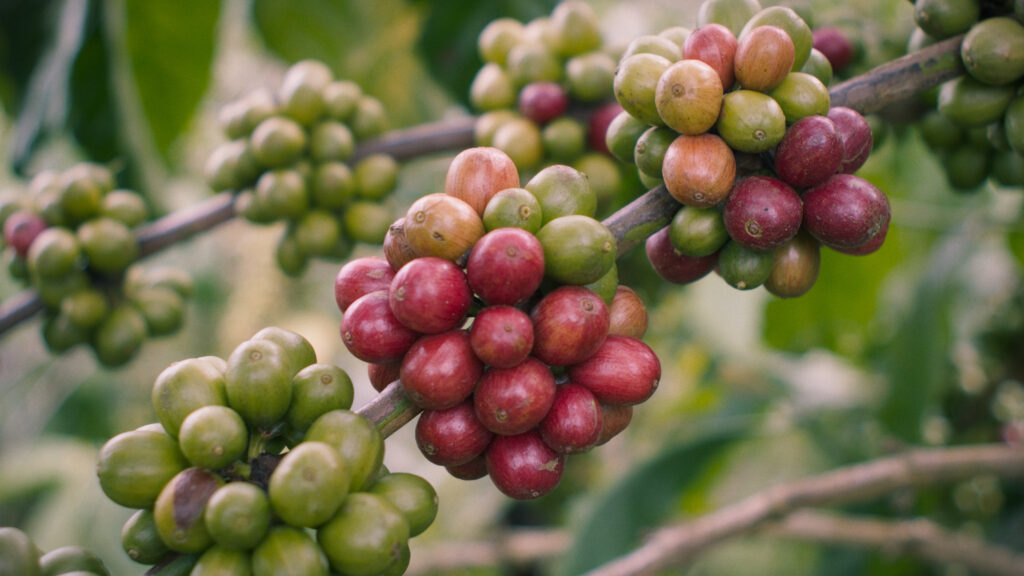
This time of year, thousands of families are dedicated to the coffee harvest in the Morán municipality, Lara State. (Gerardo Rojas)](https://venezuelanalysis.com/wp-content/uploads/2026/11/1_PGRP2468_.jpg)
-
[
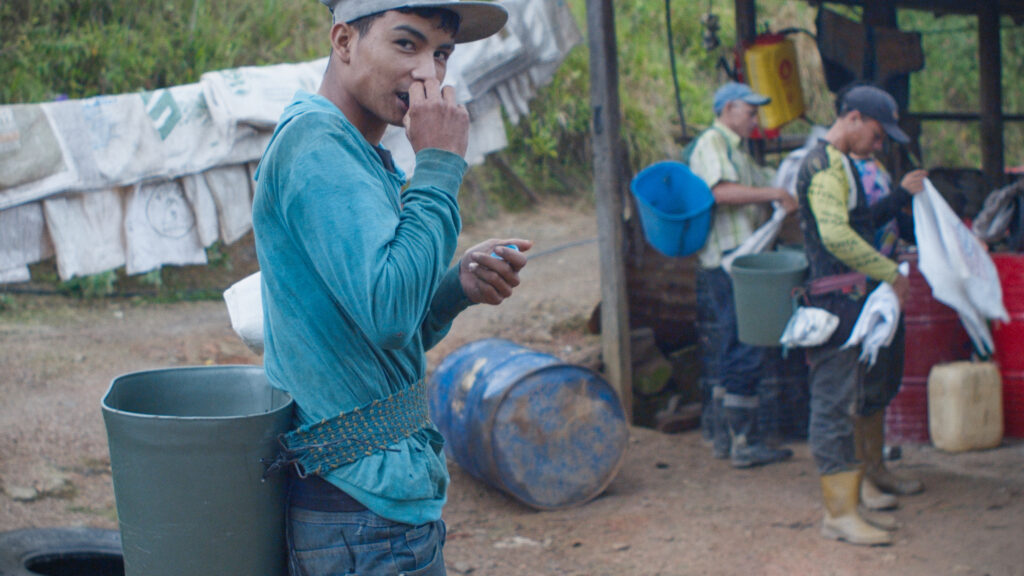
Coffee growers rely on the harvest to sustain themselves and their families until the next cycle. (Gerardo Rojas)](https://venezuelanalysis.com/wp-content/uploads/2026/11/2_PGRP4557_.jpg)
-
[

Though he recently visited the area, Agriculture Minister Vladimir Padrino did not address complaints that the agreed-upon prices are not being upheld. (Gerardo Rojas)](https://venezuelanalysis.com/wp-content/uploads/2026/11/4_PGRP3017_.jpg)
-
[
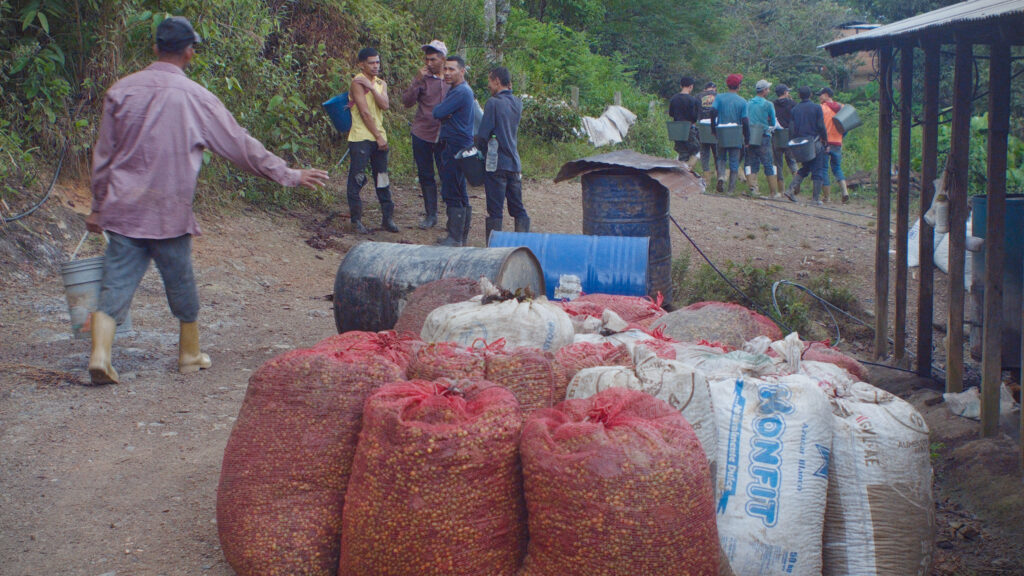
Campesinos complained that agribusiness corporations are not respecting the established prices. (Gerardo Rojas)](https://venezuelanalysis.com/wp-content/uploads/2026/11/3_PGRP4584_.jpg)
-
[

Lara and Portuguesa are two of the main coffee-producing states in Venezuela. (Gerardo Rojas)](https://venezuelanalysis.com/wp-content/uploads/2026/11/6_PGRP2609_.jpg)
-
[
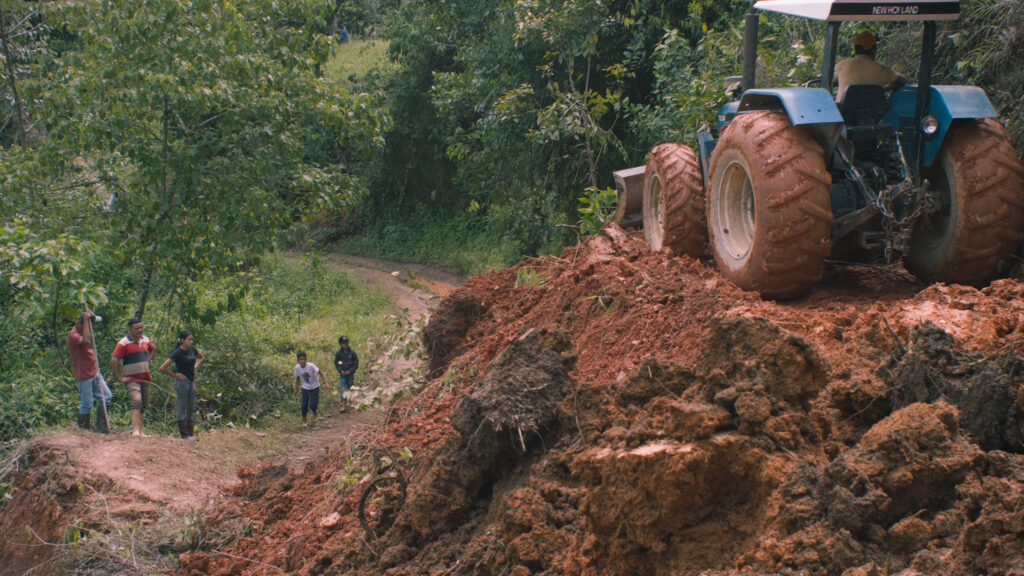
Local producers often come together to repair roads. (Gerardo Rojas)](https://venezuelanalysis.com/wp-content/uploads/2026/11/7_PGRP2641_.jpg)
-
[
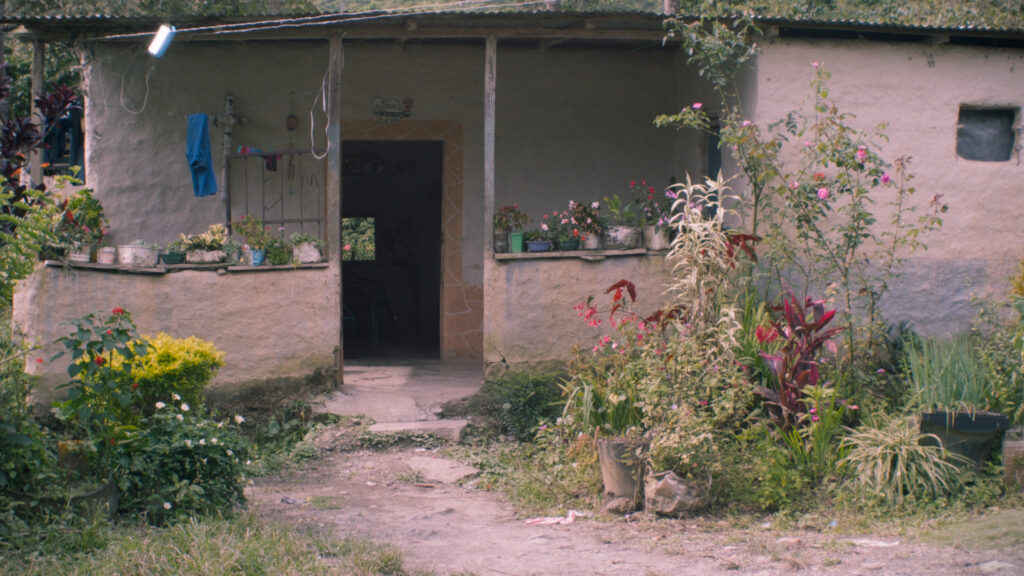
Agribusiness corporations have been hoarding land in the area. (Gerardo Rojas)](https://venezuelanalysis.com/wp-content/uploads/2026/11/9_PGRP3282_.jpg)
-
[

Coffee buyers have been paying at least 25 percent below the established prices. (Gerardo Rojas)](https://venezuelanalysis.com/wp-content/uploads/2026/11/10_PGRP3706_.jpg)
-
[

Many campesinos are forced into usurious debt to continue producing. (Gerardo Rojas)](https://venezuelanalysis.com/wp-content/uploads/2026/11/11_PGRP3368_.jpg)
-
[

The Venezuelan government is looking to push coffee exports, but policies are mostly geared toward big producers. (Gerardo Rojas)](https://venezuelanalysis.com/wp-content/uploads/2026/11/12_PGRP4016_.jpg)
-
[
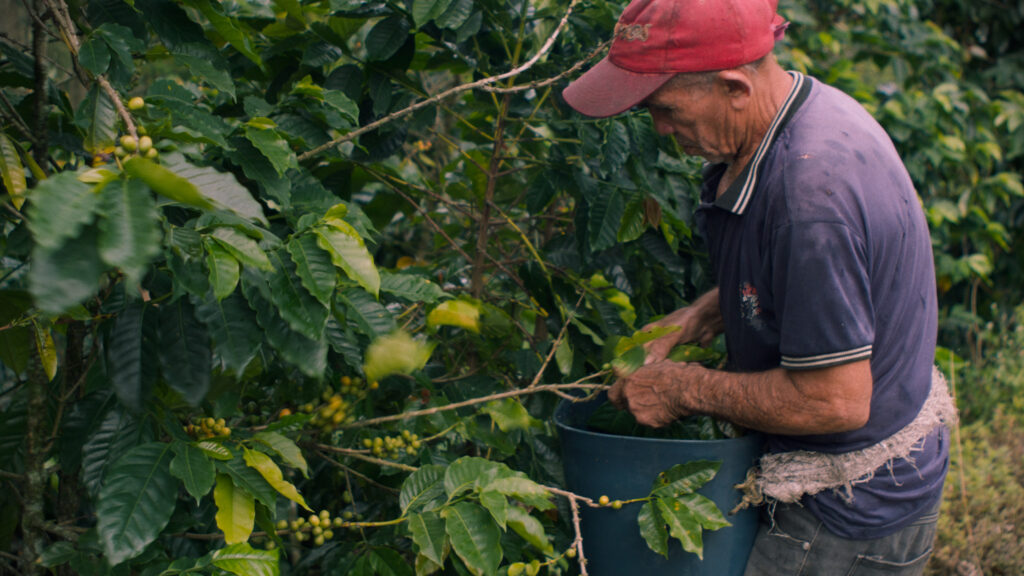
This year’s harvest was affected by heavy rains. (Gerardo Rojas)](https://venezuelanalysis.com/wp-content/uploads/2026/11/13_PGRP2897_.jpg)
-
[
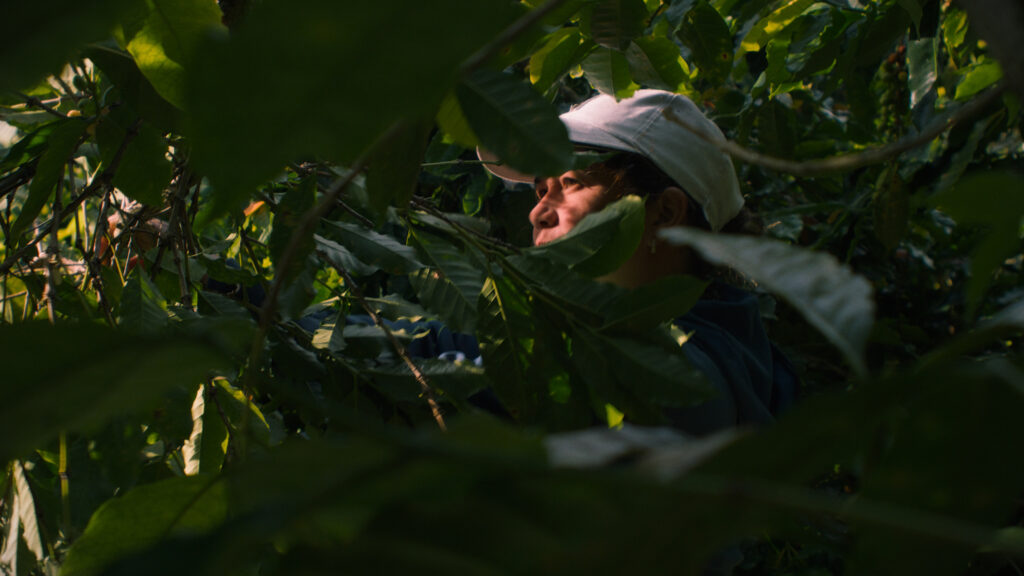
The canephora coffee variety has been expanding. (Gerardo Rojas)](https://venezuelanalysis.com/wp-content/uploads/2026/11/14_PGRP3604_.jpg)
-
[
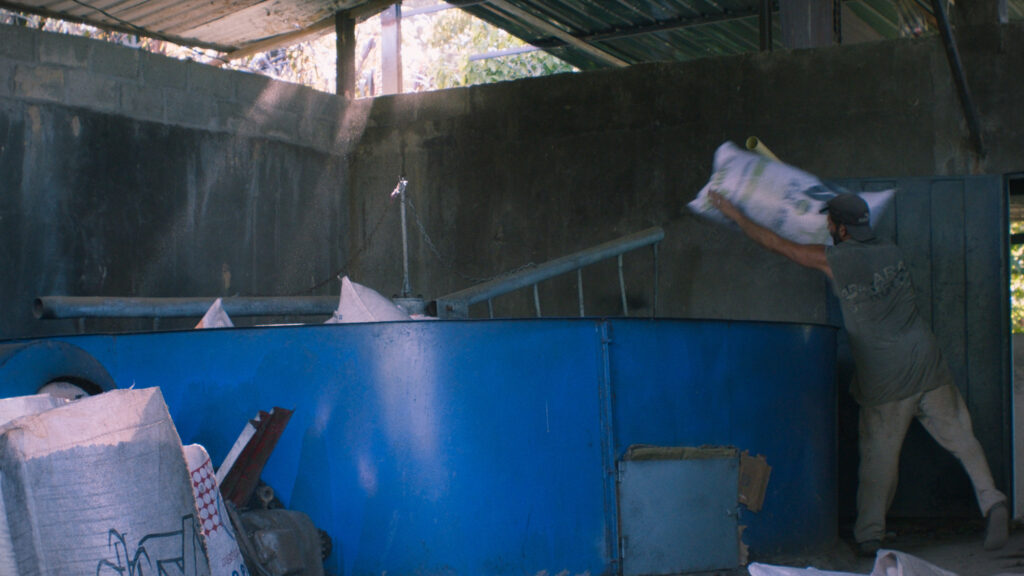
Electricity blackouts create an additional hurdle for coffee growers. (Gerardo Rojas)](https://venezuelanalysis.com/wp-content/uploads/2026/11/17_PGRP2528_.jpg)
-
[

Venezuelan countryside producers have recurrently denounced agribusiness corporations for manipulating crop prices. (Gerardo Rojas)](https://venezuelanalysis.com/wp-content/uploads/2026/11/15_PGRP4067_.jpg)
-
[
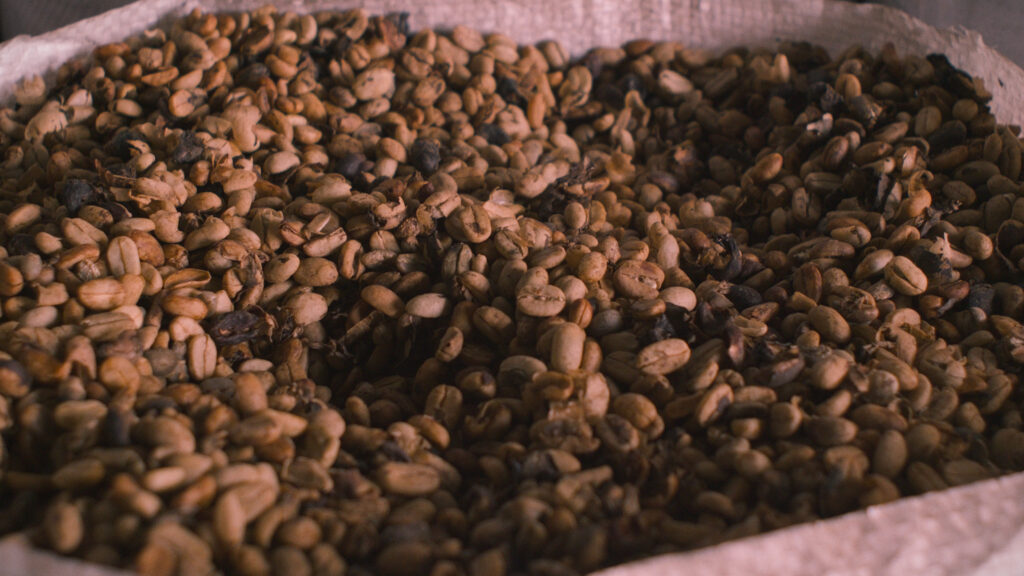
Coffee has a long tradition in this region. (Gerardo Rojas)](https://venezuelanalysis.com/wp-content/uploads/2026/11/16_PGRP2492_.jpg)
-
[
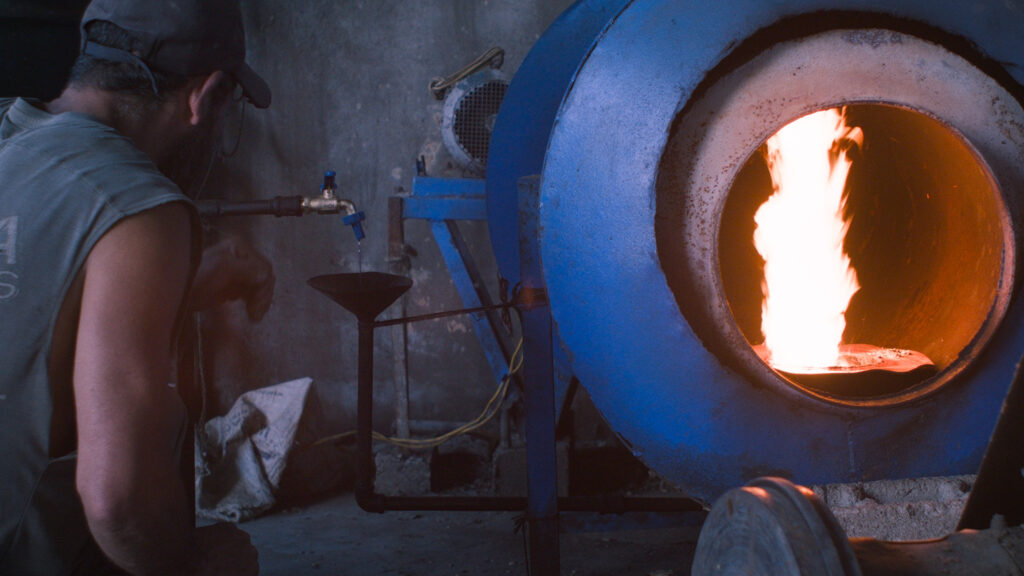
Many producers rely on diesel-powered dryers. (Gerardo Rojas)](https://venezuelanalysis.com/wp-content/uploads/2026/11/18_PGRP2567_.jpg)
-
[

Despite a consensus to improve quality, buyers often pay a similar low price regardless of the coffee grade. (Gerardo Rojas)](https://venezuelanalysis.com/wp-content/uploads/2026/11/20_PGRP4636_.jpg)
-
[
This time of year, thousands of families are dedicated to the coffee harvest in the Morán municipality, Lara State. (Gerardo Rojas)](https://venezuelanalysis.com/wp-content/uploads/2026/11/1_PGRP2468_.jpg)
-
[
Coffee growers rely on the harvest to sustain themselves and their families until the next cycle. (Gerardo Rojas)](https://venezuelanalysis.com/wp-content/uploads/2026/11/2_PGRP4557_.jpg)
-
[
Though he recently visited the area, Agriculture Minister Vladimir Padrino did not address complaints that the agreed-upon prices are not being upheld. (Gerardo Rojas)](https://venezuelanalysis.com/wp-content/uploads/2026/11/4_PGRP3017_.jpg)
-
[
Campesinos complained that agribusiness corporations are not respecting the established prices. (Gerardo Rojas)](https://venezuelanalysis.com/wp-content/uploads/2026/11/3_PGRP4584_.jpg)
-
[
Lara and Portuguesa are two of the main coffee-producing states in Venezuela. (Gerardo Rojas)](https://venezuelanalysis.com/wp-content/uploads/2026/11/6_PGRP2609_.jpg)
-
[
Local producers often come together to repair roads. (Gerardo Rojas)](https://venezuelanalysis.com/wp-content/uploads/2026/11/7_PGRP2641_.jpg)
-
[
Agribusiness corporations have been hoarding land in the area. (Gerardo Rojas)](https://venezuelanalysis.com/wp-content/uploads/2026/11/9_PGRP3282_.jpg)
-
[
Coffee buyers have been paying at least 25 percent below the established prices. (Gerardo Rojas)](https://venezuelanalysis.com/wp-content/uploads/2026/11/10_PGRP3706_.jpg)
-
[
Many campesinos are forced into usurious debt to continue producing. (Gerardo Rojas)](https://venezuelanalysis.com/wp-content/uploads/2026/11/11_PGRP3368_.jpg)
-
[
The Venezuelan government is looking to push coffee exports, but policies are mostly geared toward big producers. (Gerardo Rojas)](https://venezuelanalysis.com/wp-content/uploads/2026/11/12_PGRP4016_.jpg)
-
[
This year’s harvest was affected by heavy rains. (Gerardo Rojas)](https://venezuelanalysis.com/wp-content/uploads/2026/11/13_PGRP2897_.jpg)
-
[
The canephora coffee variety has been expanding. (Gerardo Rojas)](https://venezuelanalysis.com/wp-content/uploads/2026/11/14_PGRP3604_.jpg)
-
[
Electricity blackouts create an additional hurdle for coffee growers. (Gerardo Rojas)](https://venezuelanalysis.com/wp-content/uploads/2026/11/17_PGRP2528_.jpg)
-
[
Venezuelan countryside producers have recurrently denounced agribusiness corporations for manipulating crop prices. (Gerardo Rojas)](https://venezuelanalysis.com/wp-content/uploads/2026/11/15_PGRP4067_.jpg)
-
[
Coffee has a long tradition in this region. (Gerardo Rojas)](https://venezuelanalysis.com/wp-content/uploads/2026/11/16_PGRP2492_.jpg)
-
[
Many producers rely on diesel-powered dryers. (Gerardo Rojas)](https://venezuelanalysis.com/wp-content/uploads/2026/11/18_PGRP2567_.jpg)
-
[
Despite a consensus to improve quality, buyers often pay a similar low price regardless of the coffee grade. (Gerardo Rojas)](https://venezuelanalysis.com/wp-content/uploads/2026/11/20_PGRP4636_.jpg)


Gerardo Rojas is a Venezuelan activist and photographer based in Barquisimeto, Lara State. He belongs to communications collective Voces Urgentes and was a founding member of the Ataroa Commune in Barquisimeto. He also served as communal economy vice-minister. Rojas has written extensively about popular power in Venezuela, including the book Chávez y la Democracia Socialista (CEDES, 2025).
The views expressed in this article are the author’s own and do not necessarily reflect those of the Venezuelanalysis editorial staff.
The post Broken Agreements: The Struggle of Venezuelan Small-Scale Coffee Producers appeared first on Venezuelanalysis.
From Venezuelanalysis via This RSS Feed.